
Israel Violates Ceasefire Again As Attacks Continue Across Lebanon
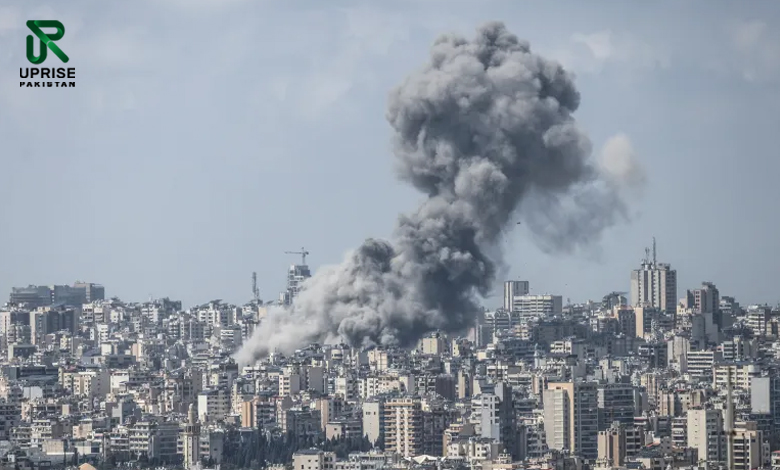
A fragile ceasefire is supposed to save lives. Yet, many people in Lebanon say it keeps breaking. On Tuesday, April 28, 2026, Israeli strikes hit the town of Majdal Zoun in southern Lebanon. Soon after, rescue teams rushed in to help. However, a second strike hit the same area, and three rescuers died. Lebanese leaders called the attack a war crime.
Meanwhile, Israel says it targets Hezbollah threats. Still, families across Lebanon report fear, loss, and nonstop disruption. So, the ceasefire now feels like a paper shield. As the attacks continue, many people ask a simple question: when will the violence stop?
The Double Strike That Shook Rescue Crews
Two Israeli strikes hit the same building area in Majdal Zoun, according to Lebanon’s Health Ministry. Responders arrived after the first blast. A second strike hit, and three rescue workers died. Two Lebanese soldiers were wounded during the second strike, Lebanon’s army said. Lebanon’s Prime Minister Nawaf Salam condemned the attack in strong words. He said the targeting of rescue workers counts as a war crime. He also said Lebanon will push the issue in international forums.
Here is a key quote reported in coverage:
“It represents a flagrant violation of the principles and rules of international humanitarian law.”
Why People Say The Ceasefire Keeps Failing
A ceasefire should reduce strikes and rockets. However, strikes have continued in many areas, mainly in the south and east, according to reports. Meanwhile, Hezbollah has also fired rockets and launched drones at Israel and the occupied areas, according to coverage.
The conflict creates a painful cycle:
- A strike hits, and fear rises
- Rescue teams move in
- Another strike can land
- Trust collapses, and people stay displaced
Reuters described the Majdal Zoun incident as a second strike hitting responders. That pattern is often called a double-tap in reporting.
What Lebanese Leaders Are Saying Now
Lebanon’s President Joseph Aoun also spoke out after the rescuers died. He said the attack fits a wider pattern that has harmed relief and medical workers. He also warned that Israel is violating rules meant to protect civilians and aid teams. At the same time, Lebanon’s government faces limits. It does not fully control Hezbollah, as many analysts note. So, it struggles to enforce calm on its own.
Still, Lebanese officials say they will raise ceasefire violations in talks. Also, they want space for people to return home safely.
| Measure | What recent reports say | Source |
| People killed in Majdal Zoun strikes | 5 killed, including 3 rescuers | Reuters |
| Lebanese troops were hurt in the second strike | 2 soldiers wounded | Reuters |
| Reported deaths in Lebanon since March 2, 2026 | Over 2,500 killed | Reuters |
| Reported wounded since March 2, 2026 | Nearly 8,000 wounded | Reuters |
| Groups are named as especially at risk | Civilians and health workers | UN-linked warnings |
These numbers can change. However, they show the scale of harm right now.
What The UN And Watchdogs Warn About
The UN human rights office has warned that strikes hitting civilians and health workers may break international law. Also, UN experts have called for an immediate halt to attacks after ceasefire announcements. Meanwhile, UNIFIL has also issued statements about the strain on calm and the risks on the ground. It has pointed to violations tied to cross-border fire and tensions near the Blue Line.
Here is why that matters. When the UN raises alarms, it signals a deeper legal and moral concern. So, these warnings increase pressure on all parties.
Daily Life Under Airstrikes And Drones
This conflict is not only political. It is also school days, hospital trips, and sleepless nights.
People in southern villages often describe:
- sudden blasts and shaking windows
- blocked roads and delayed ambulances
- empty homes and packed shelters
- constant worry during rescue calls
Meanwhile, reports say Israel has issued displacement orders in multiple villages. So, many families stay stuck between danger and homelessness. Also, when rescue workers feel unsafe, response times can slow. Then injuries can turn deadly. That is why attacks on aid teams create wider harm.
The Fast-Moving Checklist For Reliable Updates
This story moves fast. So, it helps to follow clear signals.
Watch for these signs:
- official updates from Lebanon’s Health Ministry and army
- confirmed Israeli statements on targets and aims
- UN briefings or UNIFIL field updates
- verified reports on new ceasefire talks or extensions
Compare sources before you share. Because posts spread fear fast, facts matter more than speed.
Violence Continues In Lebanon
The Majdal Zoun strikes deepened public anger in Lebanon. Also, the deaths of rescue workers hit a nerve nationwide. Meanwhile, Israel says it responds to Hezbollah threats. Yet attacks across Lebanon continue, and many families feel trapped. So the ceasefire looks weak on the ground, even if it exists on paper. As UN voices warn about possible violations, pressure grows for real enforcement. For now, people in Lebanon keep waiting for nights without blasts and mornings without new funerals.


