Visa Aims for 10-Fold Growth in Digital Payments in Pakistan
Visa's Ambitious Plan to Expand Digital Payments in Pakistan and Boost Financial Inclusion
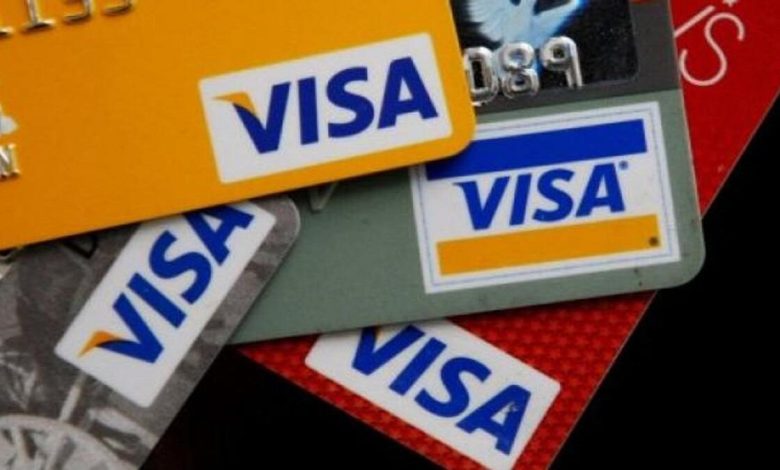
Visa has set ambitious goals for Pakistan’s digital payment landscape, aiming to significantly expand the use of digital payments in the country. The company plans to increase the number of businesses accepting digital payments by tenfold over the next three years. This major initiative, led by Visa’s general manager for Pakistan, North Africa, and the Levant, Leila Serhan, is designed to revolutionize the financial ecosystem in Pakistan and drive financial inclusion for millions of people.
Visa’s Strategic Partnership with 1Link for Digital Payments
At the heart of Visa’s plan is a strategic partnership with 1Link, Pakistan’s leading payment service provider. This collaboration aims to streamline the process of sending and receiving remittances, a critical aspect of Pakistan’s economy, as millions of Pakistanis rely on remittances from abroad. By simplifying remittances, Visa hopes to encourage more people to transition from cash-based transactions to digital payments, making financial services more accessible to all.
This partnership will not only enhance the digital infrastructure but also encourage businesses and consumers to embrace digital transactions in their daily lives. Remittances, which account for a significant portion of household income in Pakistan, could become easier to manage, increasing the country’s digital financial footprint.
Addressing Pakistan’s Financial Inclusion Challenge
One of the key reasons behind Visa’s push for digital payments in Pakistan is the low rate of financial inclusion. Currently, only 60% of the 137 million adults in the country have access to a bank account, which significantly limits their ability to participate in the digital economy. For the remaining 40%, cash is the primary means of conducting transactions, making it difficult to access financial services such as loans, savings accounts, and insurance.
Visa’s efforts aim to bridge this gap by providing more opportunities for unbanked individuals to enter the formal financial system. By partnering with local financial institutions and utilizing advanced technology, Visa can help expand access to digital payment solutions, making banking services more inclusive and widely available.
Expanding the Point-of-Sale (POS) Network
To achieve its goal of increasing digital payments, Visa is heavily investing in expanding the point-of-sale (POS) infrastructure across Pakistan. POS machines allow businesses to accept card payments, whether through debit, credit, or prepaid cards, offering a secure and efficient way for consumers to pay for goods and services. However, the number of businesses equipped with POS machines in Pakistan is still limited, especially in smaller cities and rural areas.
Visa’s plan includes deploying more POS machines nationwide, ensuring that even small and medium-sized businesses can accept digital payments. This will not only enhance convenience for consumers but also promote a cashless economy, reducing the risks and inefficiencies associated with handling physical currency. By bringing more businesses into the digital payment ecosystem, Visa is paving the way for a seamless and secure financial environment.
Smartphone Payments: Revolutionizing Small Business Transactions
A significant part of Visa’s strategy involves leveraging new technologies that turn smartphones into payment devices. This is a game-changer for small businesses that cannot afford to invest in expensive POS machines. Through mobile-based payment solutions, even street vendors, small retailers, and service providers can accept digital payments, providing a huge boost to financial inclusion in underbanked communities.
Visa’s smartphone-based payment technology will enable these businesses to accept payments without requiring additional hardware, making digital transactions more accessible and cost-effective. The convenience of mobile payments is expected to drive higher adoption rates, particularly among small and medium-sized enterprises (SMEs), which make up the backbone of Pakistan’s economy.
The Role of Remittances in Boosting Digital Payments
Remittances play a pivotal role in Pakistan’s economy, contributing around $30 billion annually. These funds are crucial for many households, especially in rural areas. However, the traditional remittance process can be slow, cumbersome, and often reliant on cash transactions. By partnering with 1Link, Visa aims to simplify and digitize remittance payments, making it easier for recipients to access funds directly through digital channels.
By encouraging the use of digital wallets and card-based remittance services, Visa is positioning itself to make a significant impact on how remittances are handled in Pakistan. This not only speeds up the process but also makes it more secure, reducing the risks associated with cash transactions. Furthermore, recipients of remittances who gain access to digital payment systems are more likely to engage with other financial services, further enhancing their financial inclusion.
Boosting Financial Literacy to Drive Digital Adoption
A critical component of Visa’s initiative is increasing financial literacy among the Pakistani population. Many people in the country still rely on cash because they are unfamiliar with digital payment options or lack trust in the system. To address this, Visa plans to launch educational campaigns that focus on the benefits of digital payments, how to use them safely, and the overall impact on financial health.
These campaigns will target not only consumers but also small business owners, who may hesitate to adopt digital payment systems due to a lack of understanding or perceived complexity. By providing education and support, Visa aims to create a more informed population that is confident in using digital financial services, further accelerating the adoption of digital payments across the country.
The Broader Impact on Pakistan’s Economy
Visa’s initiative to increase digital payments will have a broader impact on Pakistan’s economy. As more businesses and consumers shift to digital transactions, the country could see a reduction in the informal economy, which is largely driven by cash-based transactions. A move towards digital payments also makes it easier for the government to track economic activity, improve tax collection, and enhance transparency in financial transactions.
Moreover, digital payments offer greater security for businesses and consumers alike. Reducing the reliance on cash decreases the risks of theft, fraud, and counterfeiting. For businesses, digital transactions provide a clearer record of sales, making it easier to manage finances and comply with regulations.
Conclusion: A Cashless Future for Pakistan
Visa’s ambitious plan to increase digital payments in Pakistan by tenfold over the next three years represents a significant step toward a cashless future. By expanding the POS infrastructure, introducing mobile-based payment solutions, and improving financial literacy, Visa aims to boost financial inclusion and drive economic growth. As more businesses and consumers adopt digital payments, Pakistan’s financial ecosystem will become more secure, efficient, and accessible to all.