Political stability is often considered one of the most important foundations of economic development. For Pakistan, the relationship between governance, political cooperation, and economic performance has become increasingly significant as the country navigates financial challenges and institutional reforms.
Recent political disagreements and renewed calls for cooperation between political parties have brought governance and institutional stability back into public discussion.
Understanding Pakistan’s Political Landscape
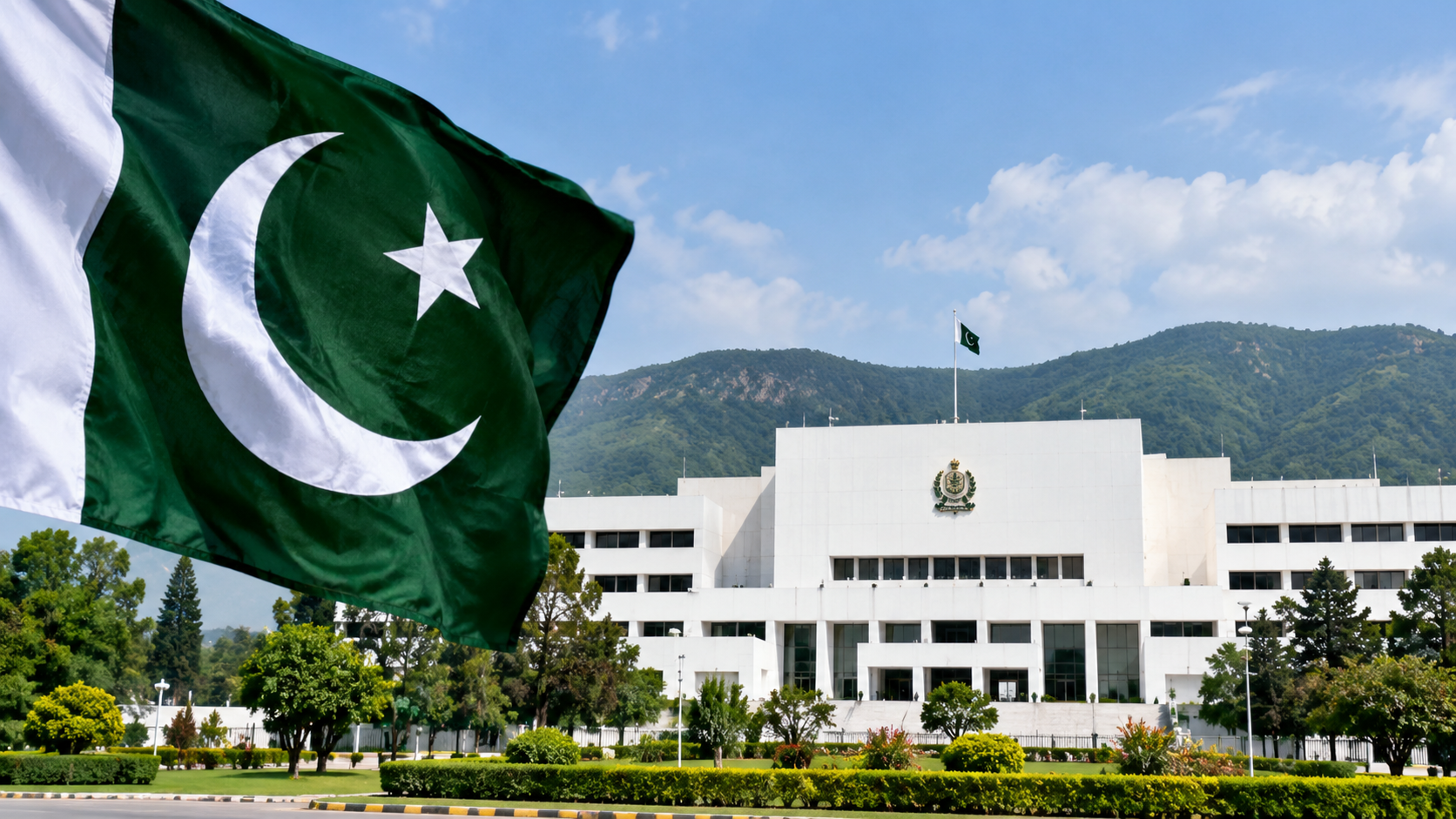
Pakistan operates under a parliamentary democratic system in which elected representatives, federal institutions, and provincial governments play important roles in national decision-making.
Political differences are a natural component of democratic governance. However, prolonged uncertainty can complicate policy implementation and reduce public confidence.
Key Factors Influencing Political Stability
1. Democratic Institutions
Strong democratic institutions provide the foundation for accountability, transparency, and public participation.
Independent institutions and effective parliamentary oversight can help ensure that government decisions remain consistent with constitutional requirements.
2. Economic Policy Continuity
Long-term economic development requires policies that remain effective beyond individual political administrations.
Frequent changes in taxation, industrial regulations, and investment policies can create uncertainty for domestic and international businesses.
3. Federal and Provincial Cooperation
Pakistan’s provinces have diverse economic, social, and administrative priorities.
Effective cooperation between federal and provincial governments is essential for improving education, healthcare, infrastructure, and disaster management.
4. Youth Participation in Politics
Pakistan’s large young population represents an important opportunity for democratic development.
Greater political awareness, civic education, and constructive public participation could contribute to a more informed electorate and stronger democratic institutions.
The Relationship Between Politics and Economic Growth
Investors generally value predictable regulations, transparent governance, and institutional consistency.
Political uncertainty may discourage long-term investment, while constructive cooperation can help governments focus on employment, inflation, infrastructure, and public services.
Challenges and the Road Ahead
Pakistan faces the challenge of balancing political competition with the need for national cooperation.
Respect for constitutional processes, responsible political communication, and evidence-based policymaking will be important for strengthening public trust.
Conclusion
Pakistan’s long-term progress depends not only on economic resources but also on the strength of its political and democratic institutions. Constructive dialogue and consistent governance can create an environment that supports sustainable development and greater public confidence.
Key Takeaways:
- Political stability supports economic development.
- Democratic institutions strengthen accountability.
- Policy continuity can improve investor confidence.
- Youth participation is important for democratic progress.