The Hunt for Hamas Chief Yahya Sinwar: Israel’s Intensified Offensive in Gaza
Unveiling Key Developments in Israel’s War Against Hamas and Its Regional Impact
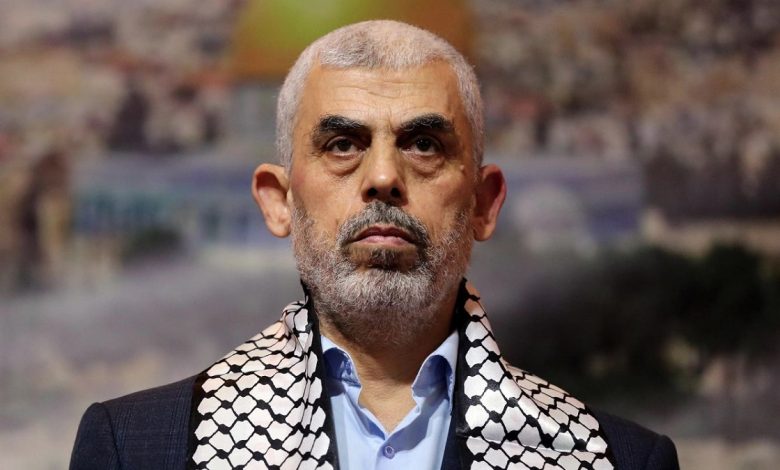
Amid the ongoing conflict in Gaza, Israel has intensified its operations against Hamas, one of its main adversaries. A key focus of Israel’s recent efforts is the pursuit of Hamas chief Yahya Sinwar, who is accused of orchestrating the deadly October 7, 2023, attack—the deadliest in Israeli history. The Israeli government has been targeting Hamas leadership ever since, and recent reports indicate that Israel is now investigating whether Yahya Sinwar was killed in a recent operation in Gaza.
Who is Yahya Sinwar?
Yahya Sinwar, a prominent figure in Hamas, rose to power after the assassination of the group’s former leader, Ismail Haniyeh, in July. Israel, which has been engaged in a protracted conflict with Hamas, accuses Yahya Sinwar of masterminding the October 7 attack, which claimed the lives of 1,206 people, predominantly civilians. This event marked a significant escalation in hostilities between Israel and Hamas, triggering the ongoing Gaza war.
Yahya Sinwar’s leadership has been pivotal for Hamas, particularly in aligning the group’s strategies with its Iranian backers. His death, if confirmed, would constitute a severe blow to Hamas, both symbolically and operationally. Israel is conducting DNA tests on bodies from a recent strike in Gaza to verify whether Yahya Sinwar was among those killed.
Yahya Sinwar’s Role in the Conflict
As the leader of Hamas, Yahya Sinwar has played a critical role in coordinating military operations against Israel. His leadership has been marked by a strong alliance with Iran, a nation that has long supported Hamas in its fight against Israel. Israel’s hunt for Yahya Sinwar is part of a broader strategy to dismantle Hamas’s leadership structure, weaken its operational capabilities, and bring an end to the group’s influence in Gaza.
Israel’s announcement that it may have killed Yahya Sinwar follows the assassination of other prominent militant leaders in the region. Most notably, Israel recently assassinated Hezbollah leader Hassan Nasrallah in Lebanon. This series of high-profile killings has targeted several Iran-backed militant commanders, as Israel continues its efforts to neutralize key threats in the region.
Expanded Operations in Lebanon and Syria
The conflict has not been confined to Gaza alone. Israel has expanded its military operations into Lebanon, where Hezbollah, a close ally of Hamas, opened a second front against Israel. Hezbollah has launched low-intensity cross-border strikes, prompting Israel to conduct retaliatory airstrikes. One of Israel’s latest strikes targeted the southern Lebanese city of Tyre, a Hezbollah stronghold.
Additionally, Israel has issued evacuation warnings for civilians in parts of Lebanon’s eastern Bekaa Valley, an area known for Hezbollah’s influence. These developments reflect a broader regional conflict, with Israel attempting to weaken Hamas and its allies across multiple fronts.
In Syria, Israel has carried out strikes on Hezbollah targets, aiming to disrupt the group’s supply lines from Iran. The latest Israeli strike targeted a weapons depot in the Syrian city of Latakia, underscoring the far-reaching nature of the conflict. Israel has also faced criticism, including from its ally, the United States, over the intensity of its military campaign in Lebanon.
The Impact of the Gaza War on Civilians
While Israel’s military campaign has focused on dismantling Hamas, the humanitarian toll has been devastating, especially in Gaza. According to reports from the health ministry in the Hamas-run territory, over 42,000 people have been killed since the start of the war, with the majority being civilians. The United Nations has deemed these figures reliable, further highlighting the catastrophic impact on Gaza’s population.
In northern Gaza, the situation has grown increasingly dire. Airstrikes on a school in Jabalia that was sheltering displaced individuals resulted in the deaths of at least 14 civilians. The conflict has displaced nearly the entire population of this region, with hospitals and aid agencies overwhelmed by the scale of the crisis.
Humanitarian organizations have warned of an impending famine, as food supplies dwindle, and aid deliveries have become infrequent due to the conflict. A UN-backed assessment stated that around 345,000 Gazans are at risk of facing “catastrophic” levels of hunger this winter. Additionally, nearly 100 percent of Gaza’s population now lives in poverty, with the unemployment rate nearing 80 percent.
Regional Escalation and Iran’s Response
The conflict has also drawn in regional powers, particularly Iran, which has vowed to respond to any Israeli attacks on its interests. Iran’s Revolutionary Guards chief, Hossein Salami, issued a stern warning on October 1, stating that Tehran would retaliate “painfully” if Israel continued its strikes on Iranian targets. This statement has heightened fears that the current war could expand into a broader regional conflict, engulfing multiple countries in the Middle East.
Israel’s military operations in Syria and Lebanon, along with the growing tension with Iran, have raised concerns about a full-scale regional war. The potential for further escalation remains high, with each side preparing for more intense confrontations.
International Reactions and the Role of the United States
The international community, particularly Israel’s key ally, the United States, has been closely monitoring the situation. While the U.S. has supported Israel’s right to defend itself, it has also expressed concern over the humanitarian toll of the conflict. The United States has conducted its own military strikes in the region, targeting Huthi-controlled areas in Yemen, which have been linked to Iran.
Washington’s involvement has further complicated the conflict, as American strikes on weapon storage facilities in Yemen have drawn a sharp response from the Huthis. The group has vowed to continue supporting Hamas and Hezbollah, intensifying fears of a prolonged conflict in the region.
Conclusion: A Pivotal Moment in the Conflict
The potential death of Yahya Sinwar would mark a significant turning point in the Gaza conflict, dealing a severe blow to Hamas’s leadership and operations. However, the broader regional implications of Israel’s military campaign cannot be ignored. With Hezbollah’s involvement, Iran’s warnings, and the continued suffering of civilians in Gaza, the conflict remains far from resolution.
As the war continues to escalate, the international community must grapple with the potential for wider instability in the Middle East. For now, Israel remains committed to dismantling Hamas and its allies, while the region braces for what may come next.