
Iran Opens StraitOf Hormuz After Lebanon Ceasefire
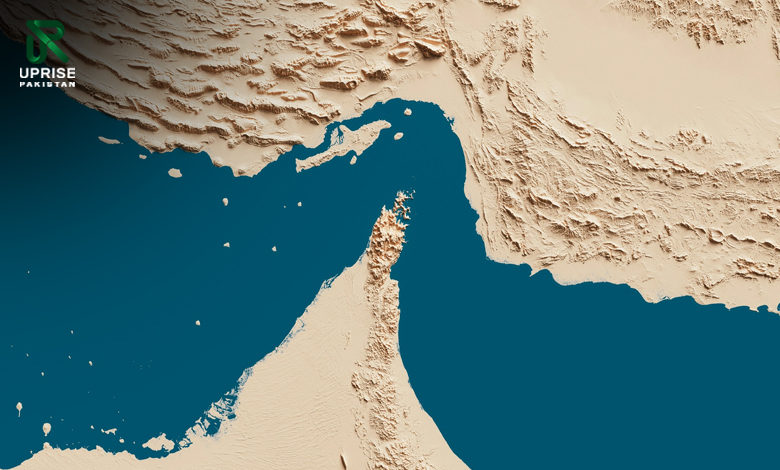
Iran said Friday it has reopened the Strait of Hormuz to commercial shipping after a Lebanon ceasefire deal, signaling a temporary easing of risk around one of the world’s most important energy routes. Iranian Foreign Minister Abbas Araghchi said the waterway is “completely open” for commercial vessels for the “remaining period of ceasefire,” with ships required to use a coordinated route set by Iran’s Ports and Maritime Organization.
The announcement drew an immediate reaction from U.S. President Donald Trump, who welcomed the move but said the U.S. naval blockade tied to Iranian ports and shipping would remain in place until a broader deal is completed.
What Iran Said, And The Key Condition
Araghchi’s statement was clear on access but specific on terms: commercial ships can pass, but they must follow the designated coordinated route.A senior Iranian military official also indicated that only non-military vessels would be allowed to transit, and that permission would be tied to oversight by the IRGC Navy, according to the text provided.
What this means in practice
- Shipping is permitted, but under routing and monitoring rules.
- The reopening appears linked to the ceasefire window, not a permanent change.
Why The Strait OfHormuz Matters ToThe World
The Strait of Hormuz is a narrow passage that connects the Persian Gulf to global sea lanes. It is a major chokepoint for oil and liquefied natural gas (LNG).Dawn notes that roughly a fifth of the world’s oil and LNG transits the strait, which is why any threat to traffic quickly spooks energy markets.
When ships stop moving through Hormuz, problems stack up fast:
- Oil supply tightens, even if only temporarily
- Insurance costs rise
- Freight rates increase
- Fuel prices can climb in many countries
This is why a single announcement about access can shift markets within hours.
The Lebanon Ceasefire Link, And What’s Still Unclear
Iran tied its shipping move to the Lebanon ceasefire, but there is an important detail: Dawn reported it was not immediately clear whether Araghchi was referring to the 10-day Lebanon-Israel truce or the earlier two-week U.S.-Iran truce that began on April 8.
That uncertainty matters because shipping firms plan around dates. A “reopening” tied to a short ceasefire can change vessel scheduling, but it may not restore normal traffic levels right away.
Meanwhile, the broader region remains tense, and companies will watch for:
- any ceasefire violations
- new navigation advisories
- any maritime incidents near the route
U.S. Response: Open, But Blockade Stays
Trump publicly welcomed Iran’s statement and echoed that the strait was open, but he also said the U.S. naval blockade of Iran-related shipping would continue until a final agreement is reached.
In the Dawn report, Trump said the blockade would remain “in full force” as it pertains to Iran, even as he praised full passage through Hormuz.
This creates a two-track reality:
- Global commercial traffic may resume more freely
- Iran-linked maritime activity may still face restrictions
That split is one reason analysts expect continued volatility until there is clarity on enforcement and exceptions.
Market Impact: Oil Prices Drop On Reopening Signal
Markets moved quickly after Iran’s statement. Dawn reported that oil prices fell about 9%, extending earlier losses following Araghchi’s post.Other outlets also described sharp energy price moves after the reopening news, reflecting hopes that tanker flows could normalize during the ceasefire window.
Here’s a simple way to think about the market logic:
| Strait of Hormuz outlook | Typical market reaction | What it signals |
| Open access + calm waters | Prices tend to fall | Lower supply risk |
| Open access + tense region | Prices stay jumpy | Risk not gone |
| Disruption fears return | Prices can spike | Supply shock risk |
Even with a price drop, traders typically wait for proof: steady transits, fewer warnings, and stable official messaging.
Shipping Reality: Open Doesn’t Mean Normal
Even when governments declare routes open, shipping firms still weigh risk. Reports in recent days have emphasized that operators want clear, stable terms before returning to full schedules.
Two factors matter most right now:
- Route rules: Iran’s “coordinated route” requirement means some traffic may be managed tightly.
- Security costs: War-risk premiums and safety protocols can keep costs high even during a ceasefire.
The text you shared also mentions concerns about sea mines and controlled routing, which can slow traffic and raise uncertainty even if passage is allowed.
What Happens Next ForHormuz AndThe Ceasefire Window
The reopening announcement is likely to be judged by what happens on the water over the next several days. If vessel transits increase and incidents stay low, markets may continue to ease. If the ceasefire frays or if there are new maritime warnings, the “open” status could become more limited in practice.
Key signposts to watch:
- Tanker traffic volume through the strait
- Any changes to Iran’s coordinated route rules
- U.S. blockade enforcement and any exemptions
- Ceasefire durability in Lebanon and the region
Dawn also noted the IMF has warned of global economic damage if the conflict drags on—another reason policymakers and markets are treating Hormuz access as a major pressure point.


