
Petrol Prices Likely to Rise in Pakistan from December 1
Impact of Global Oil Trends on Local Fuel Costs
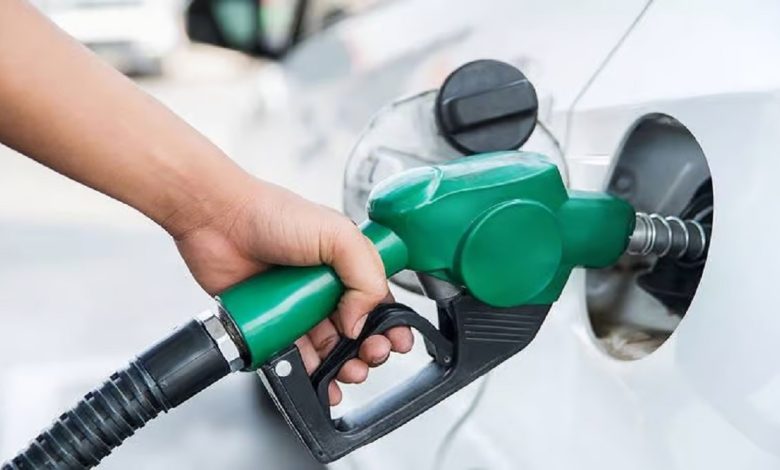
Pakistan is bracing for a potential increase in petrol prices as the government prepares to review and adjust petroleum rates in line with global oil market fluctuations. Starting December 1, 2024, petrol prices may rise by Rs. 3.15 per litre, potentially reaching Rs. 251.53 per litre. Similarly, high-speed diesel (HSD) could see an increase of Rs. 3.20, pushing its price to Rs. 258.34 per litre, while kerosene oil may become costlier by Rs. 4 per litre.
The Ministry of Finance is expected to finalize and announce these changes after a meeting chaired by Prime Minister Shehbaz Sharif on November 30. If approved, the revised rates will stay in effect until mid-December.
Why Are Petrol Prices Increasing?
The Oil and Gas Regulatory Authority (OGRA) has been closely monitoring global oil prices over the past two weeks. International fluctuations in crude oil rates are the main driving force behind the anticipated hike. While the government opted to keep petrol prices stable during the last review period in November, this time, mounting pressure from global markets appears unavoidable.
In November, petrol and diesel prices remained steady at Rs. 248.38 and Rs. 255.14 per litre, respectively, as a relief measure for citizens already grappling with economic challenges. However, as global oil rates climb, adjustments in domestic petrol prices are necessary to keep pace with international trends and manage fiscal responsibilities.
Economic Implications for Citizens and Businesses
The expected price hike is likely to add to the financial strain on households and businesses. Pakistan has been facing persistent inflation, and an increase in petrol costs will amplify the burden on transportation, goods delivery, and daily commuting.
- Household Budgets:
Families relying on personal vehicles will feel the pinch as commuting costs rise. Additionally, increased transportation expenses for goods could drive up prices of essential items like food and medicine. - Business Operations:
Industries dependent on petrol, such as logistics, agriculture, and manufacturing, will see higher operating costs. This could result in an upward adjustment of product prices, further contributing to inflation. - Public Transportation:
For individuals relying on buses, rickshaws, and ride-sharing services, fare hikes are expected as operators pass on the increased petrol costs to commuters.
Mitigation Measures: What Can Be Done?
Economists suggest several strategies to soften the blow of rising petrol prices:
- Subsidy Plans:
The government could consider targeted subsidies for low-income households, providing direct financial relief to offset higher petrol expenses. - Energy Alternatives:
Promoting the use of public transportation and encouraging a shift toward electric vehicles and renewable energy sources could reduce dependence on expensive fossil fuels in the long term. - Tax Adjustments:
Temporary reductions in petrol-related taxes or levies may help ease the immediate financial impact on consumers.
Government’s Role in Price Adjustments
The final decision on petroleum prices will reflect the government’s balancing act between fiscal obligations and public welfare. Pakistan’s economic challenges, including managing debt repayments and securing foreign reserves, mean the government has limited room for maneuver.
Prime Minister Shehbaz Sharif’s administration faces the dual challenge of addressing public concerns over inflation while adhering to international oil price benchmarks. Economists view this decision as a critical indicator of how the government navigates the country’s ongoing economic hurdles.
A Broader Economic Context
Petrol prices in Pakistan are intrinsically tied to global oil markets and the nation’s reliance on imported crude. Changes in exchange rates, international sanctions, and geopolitical tensions often ripple through the domestic economy.
In recent years, Pakistan has struggled with high inflation, depleting foreign reserves, and fluctuating currency values. Fuel costs play a significant role in shaping these economic challenges, as they affect transportation, industry, and agriculture—core sectors of the economy.
Public Reactions and Concerns
The potential hike in petrol prices has sparked discussions across various sectors of society. While some acknowledge the inevitability of aligning with global markets, many call for more transparent governance and long-term planning to avoid repeated price shocks.
Citizens are urging the government to implement safeguards, such as cost-of-living adjustments and expanded welfare programs, to protect vulnerable populations. Business leaders, on the other hand, are advocating for incentives to adopt energy-efficient technologies and reduce reliance on petrol.
Looking Ahead
As Pakistan prepares for this possible increase in petroleum prices, the situation serves as a reminder of the country’s need to develop a more sustainable energy policy. Diversifying energy sources, improving public transportation infrastructure, and fostering renewable energy adoption are critical steps toward minimizing the impact of future global oil price fluctuations.
For now, consumers and businesses alike must brace for the immediate effects of these adjustments while hoping for proactive government measures to alleviate the burden.


