
How Karachiites Can Easily Book Water Tankers at Government Rates
A Step-by-Step Guide to Accessing Affordable Water During Karachi’s Ongoing Water Crisis
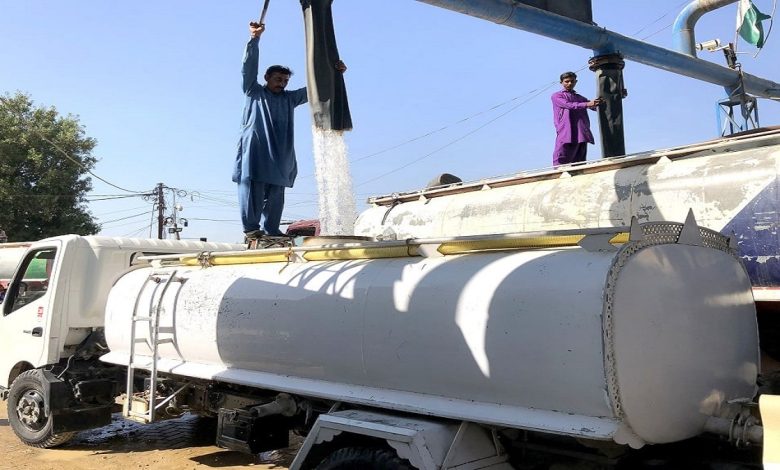
Karachi, Pakistan’s largest metropolitan city, has long grappled with water shortages. To address the pressing issue and improve water accessibility amid ongoing pipeline repairs, the Karachi Water and Sewerage Board (KW&SB) has introduced new measures. These initiatives aim to provide relief to the city’s residents by ensuring a fair distribution of water tankers at subsidized rates.
With the introduction of a streamlined system, Karachiites can now book water tankers quickly and efficiently through 24/7 services offered at official hydrants. Here’s everything you need to know about the new process and how it benefits residents during this challenging period.
Karachiites-Enhanced Access to Subsidized Water
The KW&SB has made significant efforts to simplify the process of obtaining water tankers. Under the new system, residents can book tankers at government-regulated rates through an automated and transparent procedure.
The introduction of a 24/7 window service at official hydrants across Karachi ensures that residents can access water whenever needed. This development is particularly important in light of the ongoing water crisis caused by pipeline damage, which has left many neighborhoods struggling to meet their daily water needs.
A Transparent and Streamlined System
To promote fairness and transparency, the KW&SB now requires citizens to obtain computerized e-slips when booking water tankers. These e-slips serve as proof of booking and help eliminate the chances of overcharging or favoritism.
Residents are encouraged to report any instance where an e-slip is not issued, ensuring accountability at all levels. The availability of contact numbers for all official hydrants adds another layer of convenience, allowing citizens to book tankers without physically visiting the hydrants.
Prioritizing Residential Water Needs
Recognizing the urgency of the situation, KW&SB CEO Engineer Syed Salahuddin Ahmed announced measures to prioritize residential water supply. The allocation of tankers for public use has been increased, and commercial tanker operations have been temporarily suspended for three days.
This decision ensures that neighborhoods, including apartment complexes, receive the water they urgently need. By suspending commercial operations, the KW&SB aims to address the needs of ordinary citizens first, demonstrating its commitment to equitable water distribution.
The Ongoing Water Crisis: What Led to the Shortage?
Karachi’s water shortage has been exacerbated by the recent damage to an 84-inch pipeline, a critical component of the city’s water supply network. The pipeline initially burst on December 3, 2024, during construction work on the Red Line Bus Rapid Transit (BRT) project.
While the pipeline was repaired soon after the initial rupture, it began leaking again within days, causing significant disruptions. The leak resulted in the loss of over 2.5 billion gallons of water, leaving large portions of Karachi without an adequate water supply.
Many neighborhoods continue to struggle, highlighting the need for efficient and immediate solutions. The KW&SB’s new tanker booking system is a direct response to these challenges, offering residents a reliable way to meet their water needs during this period of crisis.
Benefits of the Improved Tanker Booking System
The new system introduced by the KW&SB comes with several benefits for Karachi’s residents:
- Accessibility:
The 24/7 service at official hydrants ensures that water tankers are available around the clock, catering to the diverse schedules of Karachiites. - Affordability:
By regulating prices and issuing computerized e-slips, the KW&SB guarantees that residents can access water tankers at government-subsidized rates. - Transparency:
The requirement of e-slips ensures a fair process, reducing the chances of overcharging or favoritism. - Prioritization:
The suspension of commercial tanker operations reflects the KW&SB’s commitment to prioritizing residential areas, ensuring that families and apartment dwellers have access to water.
How to Book a Water Tanker
Booking a water tanker through the KW&SB’s system is straightforward. Here’s a step-by-step guide:
- Locate the Nearest Official Hydrant:
Find the contact number of the hydrant closest to your area through the list provided by the KW&SB. - Contact the Hydrant:
Call the hydrant and request a water tanker, providing your address and required details. - Obtain an E-Slip:
Ensure you receive a computerized e-slip as proof of your booking. This slip is crucial for transparency and ensures you are charged the official rate. - Report Issues:
If you encounter any problems, such as not receiving an e-slip or being overcharged, immediately report the issue to the KW&SB helpline.
Looking Ahead: Addressing Karachi’s Water Woes
While the new measures introduced by the KW&SB provide temporary relief, Karachi’s water challenges are far from resolved. The recurring pipeline issues and increasing demand for water highlight the need for long-term solutions.
Investments in infrastructure, the development of alternative water sources, and stricter oversight of water distribution systems are essential steps for ensuring a sustainable water supply for the city. Additionally, public awareness campaigns promoting water conservation can play a vital role in reducing unnecessary wastage.
A Call for Collective Action
As Karachi grapples with its water crisis, the KW&SB’s efforts to streamline tanker services and prioritize residential areas provide a glimmer of hope. However, addressing the city’s broader water challenges requires a collective effort from the government, private sector, and residents.
By taking advantage of the improved booking system, Karachiites can access much-needed water resources efficiently and affordably. At the same time, continued vigilance and advocacy are necessary to ensure that sustainable solutions are implemented for the future.


