
Pakistan Plans to Bring Elon Musk’s Starlink Through Comprehensive Regulatory Framework
Govt Takes Steps to Revolutionize Connectivity with Low Earth Orbit Satellites
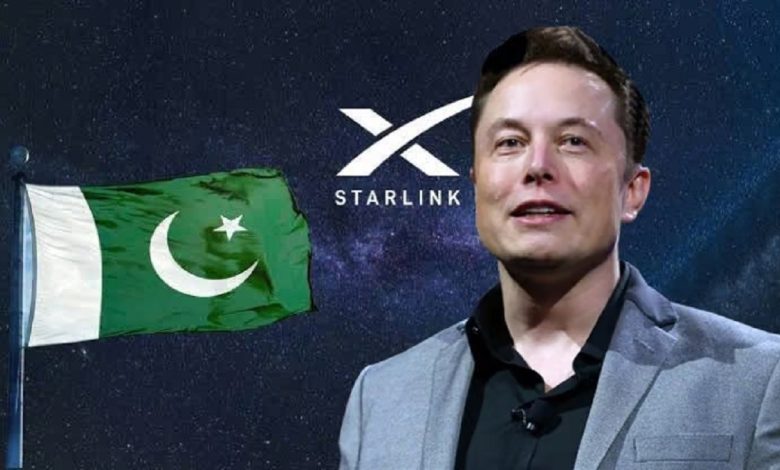
The government of Pakistan is taking significant strides to bring cutting-edge satellite technology to the country by facilitating the entry of Elon Musk’s Starlink. On January 6, 2025, Minister Shaza Fatima Khawaja chaired a high-level meeting to discuss the licensing and regulatory frameworks needed to accommodate Low Earth Orbit (LEO) satellites, including Starlink’s ambitious projects.
This pivotal meeting saw the participation of senior officials from the Ministry of IT & Telecom, SUPARCO, and the Pakistan Telecommunication Authority (PTA). The discussions aimed to expedite the process of hiring consultants to create a robust and comprehensive regulatory framework for LEO satellite operations in Pakistan.
Accelerating Starlink Connectivity Through LEO Satellites
The introduction of Starlink and similar LEO satellite systems is expected to revolutionize internet connectivity in Pakistan. Unlike traditional geostationary satellites, LEO satellites operate much closer to the Earth’s surface, enabling faster data transmission and lower latency. This technology has the potential to bridge the digital divide, particularly in remote and underserved areas where conventional broadband infrastructure is limited or non-existent.
Minister Shaza Fatima Khawaja stressed the importance of expediting the consultant hiring process. These consultants will play a critical role in drafting the regulations required to facilitate the smooth integration of LEO satellite systems into Pakistan’s telecommunications sector.
Aligning Policies with Global Standards
During the meeting, Minister Khawaja emphasized the need to align Pakistan’s regulatory framework with international standards. She highlighted how such alignment would ensure that the country remains competitive in the global technological landscape while attracting investments in advanced satellite technologies.
Adopting these international best practices is seen as a step toward creating an enabling environment for innovation and technological growth. It will also pave the way for Pakistan to benefit fully from the opportunities presented by LEO satellite technology, including improved internet access, enhanced digital services, and better integration into the global digital economy.
Potential Benefits of Starlink in Pakistan
The arrival of Starlink in Pakistan could have far-reaching implications for various sectors:
- Improved Connectivity in Remote Areas:
Starlink’s satellite internet could provide high-speed connectivity to rural and mountainous regions, overcoming the challenges of laying physical broadband infrastructure. - Enhanced Digital Economy:
With reliable internet access, small businesses, freelancers, and startups in remote areas can connect to global markets, fostering economic growth. - Educational Advancements:
Better internet connectivity can transform education by enabling e-learning platforms and providing students with access to global knowledge resources. - Emergency Response:
Starlink’s technology can play a critical role in disaster-stricken areas by ensuring uninterrupted communication for emergency services.
Challenges in Implementation
While the benefits are promising, bringing Starlink to Pakistan also comes with challenges that must be addressed:
- Cost of Implementation:
The infrastructure and regulatory requirements for LEO satellites may involve significant costs, potentially affecting affordability for end users. - Spectrum Allocation:
The government must carefully allocate and manage the frequency spectrum to avoid interference with existing communication networks. - Public Awareness:
Educating the population about the benefits and uses of satellite internet is crucial to its successful adoption. - Cybersecurity Concerns:
With increased connectivity, there will be a greater need for robust cybersecurity measures to protect data and infrastructure.
The Role of the Regulatory Framework
A comprehensive regulatory framework is essential for the seamless integration of LEO satellites in Pakistan. It will define the licensing process, operational guidelines, and standards for service providers like Starlink. Additionally, it will ensure that these services adhere to national security and data privacy regulations while fostering competition and innovation.
Minister Khawaja’s focus on fast-tracking this process reflects the government’s commitment to leveraging modern technology for national development. The involvement of experts from various sectors underscores the collaborative approach being taken to address the complexities of satellite technology implementation.
Driving National Development Through Technology
By investing in advanced connectivity solutions like Starlink, Pakistan is taking a bold step toward modernizing its telecommunications infrastructure. This initiative aligns with the government’s broader vision of a Digital Pakistan, aiming to enhance the quality of life for its citizens and strengthen the country’s position in the global digital economy.
Conclusion
The government’s proactive approach to bringing Elon Musk’s Starlink to Pakistan highlights its commitment to technological progress and innovation. With a robust regulatory framework, Pakistan has the potential to become a hub for advanced satellite connectivity, unlocking new opportunities for growth and development.
As these plans move forward, the collaboration between government agencies, international stakeholders, and the private sector will be crucial in realizing the transformative potential of LEO satellites for Pakistan’s future.


