Badshahi Mosque: A Majestic Legacy of Mughal Grandeur
A Majestic Legacy of Mughal Grandeur
Introduction to Badshahi Mosque
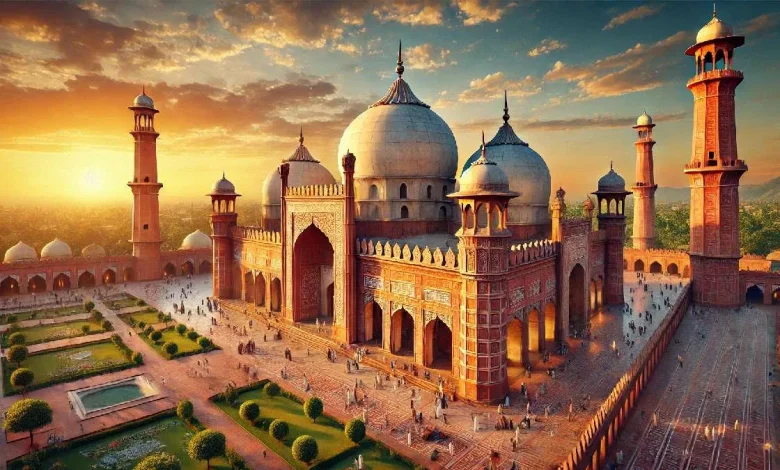
The Badshahi Mosque, located in the heart of Lahore, Pakistan, is an architectural marvel and a symbol of Mughal magnificence. Constructed in 1673 by Emperor Aurangzeb, this grand mosque is one of the largest in the world and an enduring testament to the artistic and cultural excellence of the Mughal era. Its sprawling courtyards, intricate carvings, and monumental design attract visitors and worshippers from all over the globe.
Standing proudly near the historic Lahore Fort, the mosque is more than just a place of worship; it is a historical icon that represents the spiritual and cultural identity of the region.
The Vision of Emperor Aurangzeb
Aurangzeb, the sixth Mughal emperor, commissioned the Badshahi Mosque during a period when the Mughal Empire was at its zenith. Known for his focus on Islamic traditions and governance, Aurangzeb envisioned the mosque as a symbol of the empire’s religious devotion and grandeur.
The mosque’s design reflects a harmonious blend of Persian, Central Asian, and Indian architectural influences, showcasing the Mughal Empire’s cosmopolitan ethos. Its construction was completed in just two years, a feat that underscores the remarkable engineering and architectural prowess of the time.
Architectural Brilliance
The Badshahi Mosque is a masterpiece of Mughal architecture, characterized by its massive scale and intricate details. The mosque’s prayer hall, built with red sandstone and inlaid with white marble, is adorned with floral frescoes and calligraphy that elevate its aesthetic appeal.
The mosque’s four towering minarets, each standing 176 feet tall, frame its majestic facade. These minarets, along with the grand central dome and two smaller domes, create a visually striking silhouette against the Lahore skyline.
The main courtyard of the mosque, spanning over 276,000 square feet, can accommodate more than 100,000 worshippers, making it one of the largest mosque courtyards in the world. The symmetry and precision in the mosque’s layout highlight the Mughal architects’ attention to detail and mastery of geometry.
Historical Significance
The Badshahi Mosque holds immense historical and cultural significance. It was not only a center for religious gatherings but also a symbol of Mughal authority and prestige. During the Sikh era, the mosque suffered damage and was repurposed as a military garrison. However, it was later restored to its former glory during British rule, preserving its original grandeur.
The mosque has witnessed key historical events, including state ceremonies, royal gatherings, and significant moments in Pakistan’s history. Today, it stands as a symbol of Lahore’s rich cultural and historical heritage.
Spiritual and Cultural Importance
The Badshahi Mosque is a cornerstone of Islamic spirituality in Pakistan. It is a place of worship, reflection, and community gatherings, especially during Islamic festivals like Eid-ul-Fitr and Eid-ul-Adha, when thousands of worshippers gather to pray in its vast courtyard.
Beyond its spiritual role, the mosque is a cultural landmark. Its proximity to other historical sites, such as the Lahore Fort and Minar-e-Pakistan, makes it a key attraction for tourists and history enthusiasts. The mosque also serves as a venue for cultural and educational events, promoting the rich traditions of Islamic art and architecture.
Exploring the Mosque Today
Visiting the Badshahi Mosque is a journey through history. The grandeur of its entrance gate, the intricate carvings on its walls, and the awe-inspiring scale of its courtyard leave a lasting impression on all who visit.
The mosque’s interiors are equally captivating. The Mihrab, or prayer niche, is adorned with exquisite marble inlays, while the ceilings feature intricate floral patterns and Quranic verses. The echo of the Adhan (call to prayer) within the mosque creates a serene and spiritual ambiance that transcends time.
Preservation Efforts
The Badshahi Mosque has undergone several restoration projects to maintain its structural integrity and aesthetic beauty. Efforts by the Government of Pakistan and international organizations have ensured that this historical gem continues to inspire future generations.
Preservation initiatives include cleaning and restoring the sandstone facade, repairing damaged sections, and improving facilities for visitors and worshippers. These efforts highlight the importance of safeguarding cultural heritage sites for their historical, educational, and spiritual value.
A Symbol of Lahore’s Identity
The Badshahi Mosque is more than just a historical site; it is a symbol of Lahore’s identity and pride. Its towering minarets and majestic dome are emblematic of the city’s nickname, the “Heart of Pakistan.”
For locals and tourists alike, the mosque is a source of inspiration and a reminder of the Mughal Empire’s artistic and cultural legacy. Its enduring beauty and significance make it a must-visit destination for anyone exploring Lahore.
Conclusion
The Badshahi Mosque is a timeless treasure that reflects the artistic brilliance and spiritual depth of the Mughal era. Its grandeur, historical importance, and cultural relevance continue to captivate and inspire millions.
Whether you’re marveling at its architectural splendor, soaking in its spiritual ambiance, or exploring its rich history, the Badshahi Mosque offers an unparalleled experience. It stands as a beacon of faith, culture, and history, reminding us of the enduring legacy of the Mughal Empire and the rich heritage of Pakistan.