Lahore Fort (Shahi Qila): A Timeless Jewel of Mughal Heritage
A Timeless Jewel of Mughal Heritage
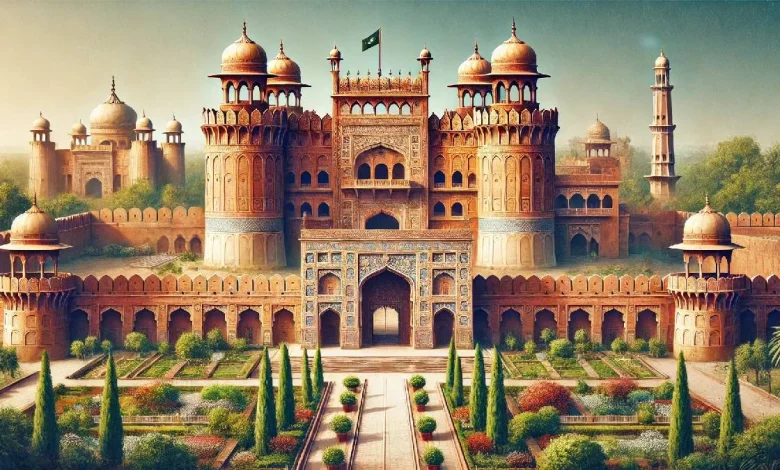
Introduction to Lahore Fort
Nestled in the heart of Lahore, Pakistan, the Lahore Fort (Shahi Qila) is a majestic testament to the artistic brilliance and architectural ingenuity of the Mughal Empire. Recognized as a UNESCO World Heritage Site, this iconic structure embodies centuries of history, culture, and grandeur. From its intricate designs to its monumental gates, the fort offers a glimpse into a golden era that has shaped the identity of South Asia.
Built during the reign of Emperor Akbar in the 16th century, the fort stands as a symbol of Mughal power and sophistication. Over the years, it has been expanded and embellished by successive emperors, making it an architectural marvel that continues to captivate visitors from around the world.
The Architectural Brilliance of Lahore Fort
The Lahore Fort is a sprawling complex that spans over 20 hectares, boasting an exquisite blend of Persian, Islamic, and Indian architectural influences. Its massive walls, towering gates, and intricate embellishments reflect the Mughal penchant for grandeur and detail.
One of the most prominent features of the fort is the Sheesh Mahal (Palace of Mirrors). Adorned with intricate mirror work and colorful frescoes, this stunning palace served as a private chamber for the royal family. When candlelight flickers against the mirrors, the palace glows with a surreal beauty, leaving visitors spellbound.
The Naulakha Pavilion, another jewel within the fort, is renowned for its marble craftsmanship and semi-precious stone inlays. Originally constructed as a royal retreat, this pavilion epitomizes the luxury and refinement of Mughal architecture.
Historical Significance of Lahore Fort
The Lahore Fort is not just an architectural masterpiece but also a site of immense historical importance. It has witnessed the rise and fall of empires, serving as a royal residence, a military stronghold, and a symbol of Mughal supremacy.
Under the reign of Emperor Jahangir and later Shah Jahan, the fort saw significant renovations and expansions. Shah Jahan, known for his love of art and architecture, introduced elegant marble structures and decorative motifs that enhanced its aesthetic appeal.
When the British took control of India, the fort’s strategic location made it a key military base. Today, it stands as a reminder of the resilience and cultural richness of the subcontinent.
The Gates of Lahore Fort
The fort’s imposing entrances are a marvel in their own right. The Alamgiri Gate, commissioned by Emperor Aurangzeb, is the most iconic. This grand gateway, with its flanking semi-circular bastions, once served as the royal entrance and was designed to accommodate the emperor’s ceremonial elephant processions.
Another significant entrance is the Masti Gate, which offers a more understated yet historically rich perspective of the fort. These gates not only reflect the Mughal mastery of design but also serve as entry points into a world of historical treasures.
Lahore Fort as a Cultural Treasure
The Lahore Fort is home to numerous artifacts and exhibits that tell the story of its glorious past. The Armory Gallery showcases an impressive collection of weapons, including swords, spears, and armor from the Mughal era. The Picture Wall, a remarkable mosaic of vibrant tiles, depicts scenes of royal life, battles, and festivities, offering insight into the artistic sensibilities of the time.
Beyond its physical beauty, the fort holds immense cultural significance. It has been the backdrop for countless historical events and remains a symbol of Lahore’s rich heritage. Its preservation as a UNESCO World Heritage Site ensures that future generations can continue to marvel at its splendor.
Exploring the Shahi Qila Today
Visitors to Lahore Fort are transported back in time as they explore its courtyards, palaces, and gardens. The Diwan-e-Aam (Hall of Public Audience) and the Diwan-e-Khas (Hall of Private Audience) reflect the administrative and ceremonial roles of the fort during Mughal rule.
The lush gardens, inspired by Persian landscaping, offer a serene escape from the bustling city outside. These gardens, with their fountains and walkways, provide a glimpse into the opulent lifestyle of the Mughal emperors.
The Fort in Modern Times
Today, the Lahore Fort stands as a beacon of Pakistan’s cultural identity and historical legacy. Its preservation efforts have made it a major tourist attraction, drawing both domestic and international visitors. Events, exhibitions, and cultural festivals held at the fort further highlight its importance as a center for education and cultural exchange.
The fort is not just a monument but a living narrative of the region’s history, offering lessons in resilience, creativity, and the enduring power of art and architecture.
Conclusion
The Lahore Fort (Shahi Qila) is more than just an architectural wonder; it is a repository of history and culture that continues to inspire awe. Its towering walls, intricate designs, and timeless beauty make it a must-visit destination for history enthusiasts and tourists alike.
Whether you’re admiring the glittering Sheesh Mahal, exploring the majestic gates, or strolling through its verdant gardens, Lahore Fort offers an unforgettable journey through the annals of time.