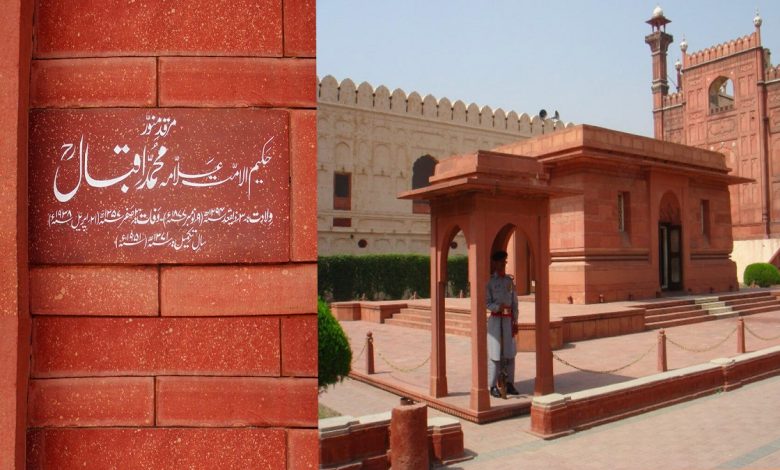
Iqbal’s Tomb is the final resting place of Allama Muhammad Iqbal, one of the greatest poets, philosophers, and visionaries of the Indian subcontinent. Situated next to the iconic Badshahi Mosque and facing the Hazuri Bagh, this magnificent tomb serves as a symbol of national pride, honoring the man who played a crucial role in inspiring the idea of an independent Muslim state—Pakistan.
Allama Iqbal’s contributions to literature, philosophy, and politics earned him the title of the “Poet of the East” and “Mufakkir-e-Pakistan” (Thinker of Pakistan). His poetry awakened the spirit of self-awareness and unity among Muslims, ultimately leading to the creation of Pakistan in 1947. Visiting his tomb is not just a journey into history but also a moment of reflection on his timeless message of self-discovery and perseverance.
Iqbal’s Tomb – Historical Background
After Allama Iqbal’s passing on April 21, 1938, a national movement began to construct a tomb that would honor his legacy. A competition was held to finalize the design, and the winning submission came from Nawab Zain Yar Jang Bahadur, a renowned architect from Hyderabad, Deccan.
The tomb was constructed using red sandstone from Jaipur, India, and white marble from Makrana, Rajasthan—materials that reflect the grandeur of Mughal architecture. The calligraphy inscribed on the walls features verses from Iqbal’s poetry, which continue to inspire millions to this day.
Architectural Beauty and Design
Iqbal’s Mausoleum is a stunning fusion of Mughal and Afghan architectural styles. The rectangular structure stands gracefully, surrounded by lush gardens that add to its serene atmosphere. The interior of the tomb houses a marble sarcophagus, which is intricately carved with verses from the Holy Quran.
One of the most striking features of the tomb is the bronze railing, a gift from the people of Afghanistan. This exquisite piece symbolizes the deep admiration and respect that Allama Iqbal holds not just in Pakistan but across the Muslim world.
The Significance of the Location
Iqbal’s Tomb is strategically located in the heart of Lahore, near some of the most historic landmarks of the Mughal era:
- Badshahi Mosque – One of the largest and most breathtaking mosques in the world, adding to the spiritual significance of the area.
- Lahore Fort – A UNESCO World Heritage site, symbolizing the grandeur of Mughal rule.
- Hazuri Bagh – A stunning garden built by Ranjit Singh, adding an element of natural beauty to the surroundings.
This location reflects Iqbal’s deep connection with history, culture, and spirituality, making his tomb a significant landmark for visitors and history enthusiasts.
Iqbal’s Vision and His Impact on Pakistan
Allama Iqbal was not just a poet; he was a visionary leader who dreamt of a separate nation for Muslims, where they could practice their faith and values freely. His most famous speech, delivered in 1930 at Allahabad, laid the foundation for the idea of Pakistan.
His poetry, written in both Persian and Urdu, continues to inspire young minds across the world. Some of his most famous works include:
- Bang-e-Dra (The Call of the Marching Bell)
- Bāl-e-Jibrīl (Gabriel’s Wing)
- Zarb-e-Kalim (The Blow of Moses’ Staff)
- Payam-e-Mashriq (The Message of the East)
His philosophy revolved around Khudi (Self-Realization), emphasizing the power of self-belief, hard work, and spiritual awakening.
Annual Tributes and National Celebrations
Every year, Iqbal Day is observed on November 9th, marking his birth anniversary. On this occasion, high-ranking officials, dignitaries, and scholars visit the tomb to pay their respects. Recitations of his poetry, seminars, and educational events are organized across the country to honor his contributions.
Additionally, the Pakistan Armed Forces perform a ceremonial changing of the guards at the tomb, showcasing their deep respect for the national poet. Visitors from all walks of life, including students, tourists, and researchers, come to seek inspiration from his life and work.
Why Visiting Iqbal’s Tomb is a Must?
For anyone visiting Lahore, a trip to Iqbal’s Tomb is essential. It offers:
- A Glimpse into History – A visit to the tomb allows people to reconnect with the visionary behind Pakistan’s ideology.
- Spiritual Inspiration – The peaceful environment encourages self-reflection on Iqbal’s teachings.
- Architectural Appreciation – The tomb is a masterpiece of Mughal and Afghan craftsmanship.
- Cultural Significance – Being located near Lahore’s historical sites, it provides a comprehensive experience of Pakistan’s heritage.
Preservation and Maintenance of Iqbal’s Tomb
The government of Pakistan, along with cultural and heritage organizations, ensures that Iqbal’s Mausoleum remains well-maintained. Efforts are made to preserve its architectural integrity, cleanliness, and security. Moreover, digital exhibitions and educational programs are frequently organized to educate the youth about Iqbal’s philosophy.
Conclusion
Iqbal’s Tomb is more than just a final resting place; it is a beacon of wisdom, history, and national identity. Allama Iqbal’s dream for a united and prosperous Muslim nation lives on in the hearts of millions. Whether you are a student of history, a lover of poetry, or a patriot, visiting his tomb is an opportunity to pay homage to the man who envisioned Pakistan.