Madho Lal Hussain Shrine: A Symbol of Love, Devotion, and Sufi Mysticism
Introduction to the Madho Lal Hussain Shrine
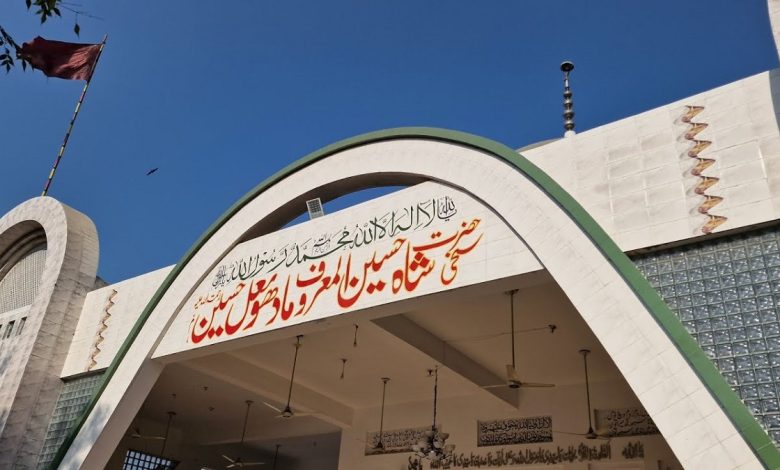
The Madho Lal Hussain Shrine is one of the most spiritually vibrant and historically significant Sufi shrines in Lahore, Pakistan. This sacred site is the final resting place of Shah Hussain, a revered Punjabi Sufi poet and mystic, famously known for his Kafi poetry that embodies themes of love, devotion, and divine mysticism. The shrine is also uniquely associated with Madho Lal, a Hindu disciple and close companion of Shah Hussain, reflecting the profound message of interfaith harmony and spiritual unity.
Each year, the shrine becomes the focal point of one of the most celebrated Sufi festivals, Mela Chiraghan (The Festival of Lights), where thousands of devotees gather to honor the legacy of Shah Hussain. With its deep-rooted history, mystical ambiance, and cultural significance, the Madho Lal Hussain Shrine continues to inspire generations seeking spiritual enlightenment and divine love.
Madho Lal Hussain – Who Was Shah Hussain?
Born in 1538 CE in Lahore, Shah Hussain is regarded as one of the most influential Sufi poets of Punjab. His poetry, deeply rooted in Sufi philosophy, emphasizes love, self-surrender, and the pursuit of divine truth. Unlike conventional scholars of his time, Shah Hussain embraced a unique path of spiritual rebellion, rejecting materialism and advocating for inner enlightenment through love and devotion.
One of the most remarkable aspects of his life was his spiritual bond with Madho Lal, a young Hindu Brahmin who became his devoted disciple. Their connection was so strong that Shah Hussain’s followers began referring to him as Madho Lal Hussain, symbolizing the unity of souls beyond religious and societal boundaries. This message of oneness, tolerance, and divine love remains the essence of his poetry and teachings.
Architectural and Spiritual Significance of the Shrine
The Madho Lal Hussain Shrine, located in Baghbanpura, Lahore, near the historic Shalimar Gardens, is an architectural marvel that reflects Mughal and Sufi-era influences. The tomb, surrounded by courtyards, prayer halls, and a gathering space for devotees, exudes an aura of tranquility and reverence.
The shrine’s main dome and walls are adorned with calligraphy, Quranic inscriptions, and verses from Shah Hussain’s poetry, which inspire visitors to delve deeper into spiritual reflection and divine connection. The atmosphere inside the shrine is often filled with the aromatic scent of rose petals, burning incense, and the rhythmic echoes of Sufi chants, creating an environment of peace and mysticism.
Mela Chiraghan: The Festival of Lights
One of the most defining aspects of the Madho Lal Hussain Shrine is the annual celebration of Mela Chiraghan (The Festival of Lights). This three-day festival, held in March, attracts thousands of devotees, Sufi musicians, and cultural enthusiasts from across Pakistan and beyond.
Key Highlights of Mela Chiraghan
- Lighting of Lamps (Chiraghan) – Devotees light clay lamps (diyas) to symbolize spiritual enlightenment, hope, and divine blessings.
- Qawwali & Sufi Music – Traditional Qawwali performances are held, where Sufi singers pay tribute to Shah Hussain through soul-stirring renditions of his poetry.
- Dhamal (Sufi Dance) – Devotees engage in Dhamal, an intense spiritual dance expressing devotion and unity with the Divine.
- Langar (Community Feast) – In keeping with Sufi traditions, free food is distributed among visitors, promoting the values of charity and equality.
- Spiritual Gatherings & Dhikr – Devotees engage in prayers, Dhikr (remembrance of Allah), and spiritual discourses, strengthening their connection to Sufi teachings.
The festival, once celebrated at the Shalimar Gardens, was later shifted to the Madho Lal Hussain Shrine, where it continues to thrive as a symbol of cultural and spiritual vibrancy.
Sufi Teachings of Shah Hussain: A Message of Love & Devotion
Shah Hussain’s Kafi poetry holds a timeless appeal, resonating with people of all backgrounds. His verses speak of:
✅ Unconditional Love for the Divine – Emphasizing deep devotion over materialistic pursuits.
✅ Self-Realization & Surrender – Encouraging individuals to let go of ego and desires to attain spiritual awakening.
✅ Unity Beyond Religious Barriers – Advocating love and humanity over religious differences.
His most famous verse:
“Mai ni main kinon aakhan, dard vichhore da haal ni”
(Oh mother, whom shall I tell of the pain of separation?)
— reflects the eternal longing of the soul for divine union, a central theme in Sufi philosophy.
Why Visit the Madho Lal Hussain Shrine?
For those seeking a deeper spiritual experience, the Madho Lal Hussain Shrine offers:
🌿 A Historical and Cultural Gem – A site reflecting Punjab’s rich spiritual heritage.
🕌 A Place of Peace & Reflection – An opportunity for meditation, prayers, and self-discovery.
🎶 A Hub of Sufi Music & Poetry – Experience the magic of Qawwali and mystical poetry.
🔥 A Celebration of Light & Love – Witness the grandeur of Mela Chiraghan.
Whether you are a spiritual seeker, history lover, or cultural enthusiast, this shrine stands as a testament to the power of love, devotion, and divine unity.
Preserving the Shrine’s Legacy
The Madho Lal Hussain Shrine is maintained by the Auqaf Department of Pakistan, ensuring its preservation, cleanliness, and accessibility to visitors. Continuous efforts are made to protect the historical significance of the site, while also keeping alive the legacy of Shah Hussain’s teachings through festivals, literature, and academic research.
Conclusion
The Madho Lal Hussain Shrine is not just a place of worship; it is a spiritual sanctuary, a cultural landmark, and a testament to Sufi wisdom. It embodies the essence of love, tolerance, and divine connection, drawing thousands of devotees each year to experience its mystical charm. As we walk through the shrine’s sacred halls, we are reminded of the eternal message of unity, devotion, and the unbreakable bond between the seeker and the Divine.