Tomb of Zaib-un-Nisa: The Forgotten Legacy of Aurangzeb’s Daughter
Introduction: A Lost Piece of Mughal History
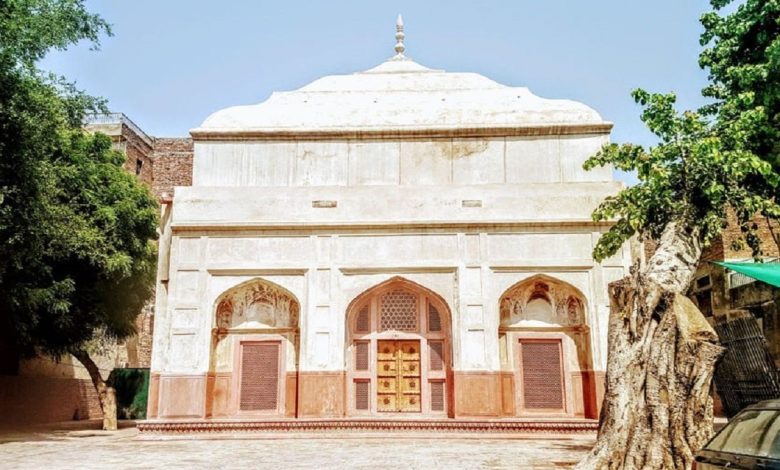
The Tomb of Zaib-un-Nisa, a historically significant yet largely forgotten monument, stands near Nawankot, Lahore. This tomb is believed to be the final resting place of Zaib-un-Nisa, the daughter of Mughal Emperor Aurangzeb. Despite being a princess of one of the most powerful rulers in South Asian history, her tomb remains in obscurity, surrounded by urbanization and neglect.
Zaib-un-Nisa was not just a royal figure; she was a poet, scholar, and patron of the arts. Her contributions to Persian poetry under the pen name “Makhfi” (The Hidden One) reflect her intellect and deep philosophical insights. Yet, her tomb has failed to receive the grandeur or preservation efforts that other Mughal-era monuments in Lahore have enjoyed.
This article explores the life of Zaib-un-Nisa, the mystery behind her tomb, and the efforts to revive its historical significance.
Zaib-un-Nisa – The Poet Princess of Mughal India
Zaib-un-Nisa was born in 1637 CE, the eldest daughter of Aurangzeb. Unlike the typical princesses of her time, she was highly educated, well-versed in Persian literature, theology, and philosophy. Her intelligence and literary prowess made her stand out among the Mughal royal family.
Key Aspects of Zaib-un-Nisa’s Life:
📖 Persian Poet – She wrote under the name Makhfi, meaning “The Hidden One,” symbolizing her inner struggles and unfulfilled aspirations.
🕌 Religious Scholar – Despite her father’s strict Islamic rule, she explored Sufi teachings and poetry.
🎭 Patron of the Arts – She supported scholars and poets, making significant contributions to Mughal cultural heritage.
However, her life took a tragic turn. Some accounts suggest that she fell out of favor with Aurangzeb due to differences in beliefs and personal choices. It is widely speculated that she was either imprisoned or sent away from the royal court, spending the latter part of her life in exile or isolation.
The Mystery Surrounding the Tomb of Zaib-un-Nisa
The exact location of Zaib-un-Nisa’s tomb remains a topic of debate among historians. While some believe she was buried near Nawankot, Lahore, others argue that her final resting place could be elsewhere in Delhi or Agra.
The tomb in Lahore, now a neglected structure, was once a significant Mughal-era monument. However, over the years, it has suffered severe deterioration due to urban expansion, lack of preservation, and encroachments.
Features of the Tomb:
✔ Mughal Architectural Elements – The tomb, though in ruins, displays traces of Mughal design, including intricate brickwork.
✔ Abandoned Surroundings – The area around the tomb is now heavily encroached upon, making it difficult to access.
✔ Lack of Official Recognition – Unlike famous Mughal tombs, it has not been properly maintained by archaeological or heritage departments.
The lack of definitive historical records about the tomb has contributed to its gradual disappearance from public memory.
The Decline and Neglect of the Tomb
Lahore is home to some of the finest Mughal architectural wonders, such as Badshahi Mosque, Lahore Fort, and Shalimar Gardens. However, the Tomb of Zaib-un-Nisa has not received the same level of recognition or restoration efforts.
Factors Leading to Neglect:
🛑 Lack of Documentation – Unlike other Mughal-era tombs, historical texts provide conflicting information about Zaib-un-Nisa’s burial site.
🏗️ Urbanization – Rapid commercial and residential development in Nawankot has encroached upon the site.
⚠️ Absence of Restoration Efforts – Heritage conservation organizations have largely overlooked this monument.
While heritage activists have raised concerns about its preservation, no significant restoration projects have been undertaken.
The Legacy of Zaib-un-Nisa and the Need for Preservation
Zaib-un-Nisa’s legacy as a poet, intellectual, and influential Mughal princess deserves to be remembered. Her contributions to Persian poetry and literary culture reflect the rich heritage of the Mughal period.
Preserving her tomb would serve as a reminder of the forgotten female figures of history who played crucial roles in shaping South Asian cultural and literary traditions.
Why Should We Preserve the Tomb?
🏛️ Historical Importance – It is a valuable part of Mughal-era architecture and heritage.
📚 Educational Value – A restored site could serve as a learning center for students and researchers.
🎭 Tourism Potential – Lahore attracts thousands of history enthusiasts. Restoring the tomb could add to the city’s cultural tourism.
Several historians and activists have urged the Pakistan Archaeology Department and UNESCO to take action in restoring this forgotten monument before it is completely lost to time.
Exploring Lahore’s Lesser-Known Mughal Landmarks
While famous sites like the Badshahi Mosque and Lahore Fort dominate tourist itineraries, several lesser-known Mughal-era structures deserve attention.
Other Neglected Mughal Monuments in Lahore:
📍 Dai Anga’s Tomb – The tomb of a Mughal-era wet nurse, another hidden historical gem.
📍 Tomb of Anarkali – A tomb shrouded in mystery, believed to belong to the legendary Anarkali.
📍 Zeb-un-Nisa’s Baoli (Stepwell) – Located in Delhi, an architectural site linked to the princess.
By raising awareness about these forgotten sites, we can revive interest in Mughal history and ensure that these landmarks receive proper recognition and preservation.
Conclusion: A Legacy Worth Remembering
The Tomb of Zaib-un-Nisa in Lahore remains one of the most overlooked historical sites in Pakistan. Whether or not this is her actual burial place, it serves as a symbol of her lost legacy.
Zaib-un-Nisa was not just Aurangzeb’s daughter—she was a poet, thinker, and patron of the arts. Her story, filled with intelligence, defiance, and mystery, deserves to be told and remembered.
Efforts should be made to protect and restore this historical monument so that future generations can learn about one of the most remarkable Mughal women. Until then, her tomb remains a forgotten relic, waiting to reclaim its place in history’s pages.