
Peace Or Pause? Israel And Iran Ceasefire After Days Of Blows
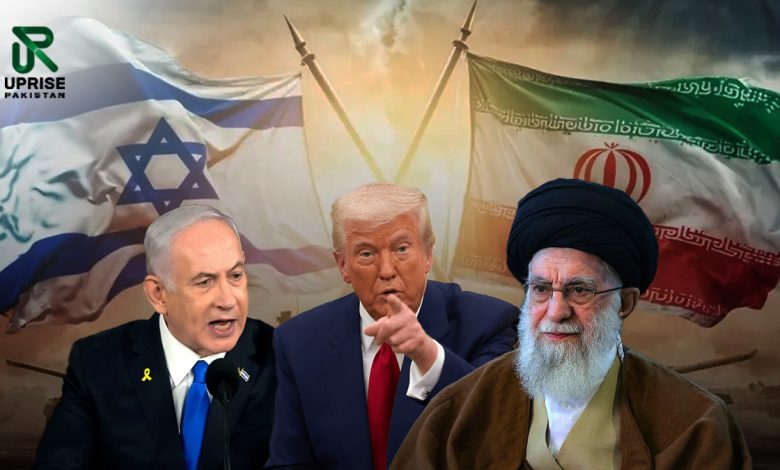
Israel and Iran agreed to a U.S.–Qatari-brokered ceasefire on 24 June 2025, twelve tense days after Israel’s first airstrikes on Iranian nuclear and military sites. President Trump declared, “Do not drop those bombs,” yet both sides traded missiles within hours, casting doubt on the truce’s strength. The fighting killed at least 610 Iranians and 28 Israelis, ravaged key nuclear facilities, and dragged regional allies into missile defense alerts. This post explains how the clash began, why the ceasefire matters, and whether fragile calm can hold.
The Spark That Ignited The Conflict
Sirens cut the Tehran night on 13 June when Israeli jets struck Iran’s Fordow, Isfahan, and Natanz sites, saying Iran neared a bomb. Iran fired back, and suddenly two powerful militaries hurled rockets, drones, and rhetoric across the Middle East. Twelve days later, President Trump announced a ceasefire at 05:00 GMT and warned, “Please do not violate it!” Yet missiles soon flew again. People in Beersheba pulled children from rubble while Tehran residents watched fire streak the sky. Now soldiers stand down, but families ask: Is this true peace or only a pause? This story walks through the battles, the truce, and the risks still ahead.
The Path to Ceasefire: A Timeline of Escalation
- June 13, 2025: Israel launches airstrikes on Iranian nuclear facilities, citing imminent threats.
- June 14-22: Iran retaliates with missile attacks on Israeli cities, including Tel Aviv and Haifa.
- June 23: Iran fires missiles at a U.S. base in Qatar, escalating tensions further.
- June 24: President Trump announces a ceasefire, claiming both nations have agreed to halt hostilities.
Despite the announcement, reports of continued attacks from both sides emerged within hours, challenging the ceasefire’s credibility.
How the Latest Fight Exploded
Israeli officials said Tehran was “close to the red line.” Iran’s reply came in waves of over 500 missiles and drones, the heaviest barrage to date. Because early alerts failed, many Israelis woke to blasts, not sirens. However, Iron Dome and Arrow batteries shot down most threats, though 10 percent still slipped through. Meanwhile, U.S. forces rushed extra tankers and bombers to the region, fearing wider escalation. Thus, within 48 hours, the battlefront spanned Iran, Israel, Syria, and the Gulf.
Ceasefire: What Leaders Promised
Qatar’s emir and U.S. envoys shuttled messages that produced a deal before dawn on 24 June. Trump posted, “The ceasefire is now in effect.” Israel accepted at 06:00 GMT, while Iran said it would stop firing “if Israel did the same.” UN chief António Guterres welcomed the pause and urged full respect for the truce. Yet trust was thin. Israeli war cabinet member Israel Katz warned of “powerful strikes” if Iran broke the terms. Iran’s Revolutionary Guard insisted any new Israeli raid would meet “a decisive response.” Therefore, diplomats celebrated, but soldiers kept helmets on.
First Missiles After the Truce
Only hours later, Israel said it tracked missiles from western Iran. Tehran denied the launch, claiming strikes ended before 07:30 GMT. Nevertheless, Israel hit a radar array near Tehran in reply. Because the sequence was murky, blame ping-ponged online. Meanwhile, Iran admitted firing 14 missiles “in the final moments” before the deadline, calling the volley a “historic lesson.” So, civilians again rushed to shelters, wondering if calm would ever hold. Then President Trump scolded both sides, saying he was “not happy.” His blunt words echoed across command centers: “Do not drop those bombs.”
Counting the Human Cost
War statistics paint a grim picture. Iran’s health ministry reports 610 dead and 4,746 injured from Israeli strikes. Israel’s health ministry counts 28 deaths since 13 June. Although Qatar intercepted all but one missile aimed at Al Udeid base, fear spread across Doha’s skyline.
| Side | Fatalities | Wounded | Source |
| Iran | 610 | 4,746 | Health Ministry |
| Israel | 28 | 200 est. | IDF briefs |
| U.S./Qatar | 0 | 0 | Reuters report |
Note: Numbers may rise as rubble is cleared.
Families mourn in both nations. A Beersheba resident whispered, “I held my guitar, then the wall fell.” Across Tehran, a veiled woman stood by a shattered ambulance, tears mixing with dust. Thus, behind every statistic beats a broken heart.
Why Nukes Still Shape Every Move
Israel says its strikes were “the only choice” once diplomacy stalled. Iran has enriched uranium to 60 percent purity, just a step from weapons-grade. Former Secretary of State Antony Blinken argued Trump’s bombing was “unwise and unnecessary.” Yet experts warn Iran could rebuild tunnels “immune to airstrikes” within months. Because Fordow remains deep under rock, Israel alone cannot destroy it outright. Thus, U.S. bunker-buster bombs hit the site on 22 June, setting back Iran’s program but not erasing capacity. Therefore, nuclear risk still shadows every ceasefire clause.
Regional Players Feel the Heat
Missiles over Doha jolted Gulf rulers. Qatar called the strike on Al Udeid “unacceptable,” even after intercepts prevented casualties. Saudi Arabia and Bahrain shut airspace, fearing spill-over. Meanwhile, U.S. Central Command nominee Vice Adm. Charles B. Cooper told senators the Iran-Russia-China-North Korea axis demands “close attention.” Because regional oil routes matter, crude prices still fell 4% as traders bet the ceasefire would stick. Moreover, Moscow offered to mediate, underscoring how great-power politics rides on local rockets.
Key Regional Reactions
- UN: Urged full respect for truce.
- Qatar: Condemned Iran’s base strike.
- Saudi Arabia: Called attacks “alarming.”
Can Military Plans Hold the Peace?
Israel claims its three-phase strike crippled Iranian radar near Tehran. Analysts say Iran expended up to half its long-range missile stock. Yet Iran’s proxies could still fire drones from Yemen or Iraq. Even one 1,000-pound missile ruined a Beersheba apartment block. Thus, while commanders tweak defenses, one misfire could reignite war. Because both sides now face domestic pressure—Netanyahu from hawks who want Iran “defeated” and Tehran from hard-liners vowing revenge—the ceasefire rests on fragile politics.
Peace or Just a Pause?
Tonight, skies over Tehran and Tel Aviv are clear. However, memories of falling debris linger. Trump heads to a calm NATO summit, noting this week felt “much heavier” than Brussels talks. Although guns are silent, diplomats must craft a longer deal on uranium, missiles, and regional militias. Otherwise, this ceasefire will be only a pause before the next flash. Because children in bomb shelters deserve more than pauses, leaders must turn promises into lasting peace. Until then, families listen for sirens, hoping the next sound is morning birds, not war.


