
PMD On High Alert, Lawmakers On Pause: Public Left To Sink
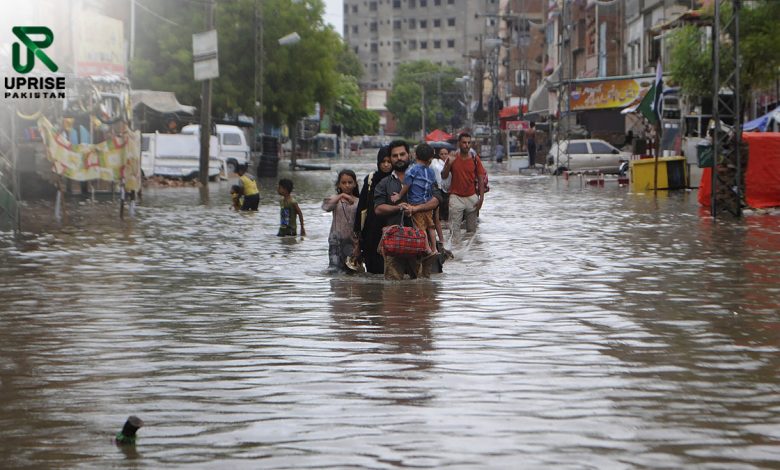
Rain pounds tin roofs. Rivers rise fast. Yet, inside the halls of power, debate drags. Pakistan’s Meteorological Department (PMD) has raised a red flag for flash floods, landslides, and urban wash-outs through July 10, 2025. Meanwhile, Prime Minister Shehbaz Sharif has ordered the National Disaster Management Authority (NDMA) to stand ready. But the nation’s new “climate budget” still steers money toward big dams, not village dikes.
People in Swat, Balochistan, and Punjab know panic well. In 2022, water swallowed homes. This week, the Swat River swept away tourists again. 18 lives ended in minutes. The science is clear, yet lawmakers freeze. As storms stalk the map, citizens ask a blunt question: Will orders on paper keep them dry?
Storm Signals: What the PMD Is Seeing
PMD forecasters track black walls of rain rolling from the Bay of Bengal. They report up to 48 mm of downpour in Sheikhupura and 40 mm in Balakot within 24 hours. Because of that surge, Murree, Swat, Kohistan, and Chitral now face flash-flood danger.
- Mountain streams swell within hours.
- Loose slopes give way, sparking landslides that block roads.
- Trapped travelers call for rescue, but time runs out.
PMD expects another wave by late Wednesday, raising river crests further. Urban hubs — Islamabad, Rawalpindi, Lahore, Faisalabad — sit on floodplain soil. Streets could look like canals before dawn. Yet many warning sirens rely on weak cell signals. If towers fail, voices vanish into the rain.
Ground Truth: Towns Already Under Water
While officials brief the press, villagers anchor beds to rooftops. In Barkhan and Turbat, knee-high water runs through markets. Karachi’s drains clog after a single hour of rain, so drivers swap cars for carts.
Rescue teams from the Provincial Disaster Management Authorities (PDMAs) move, but road cuts slow them. Moreover, blocked bridges force detours more than 60 km long. Fear spreads faster than relief trucks. Families form human chains to cross torrents. Children cling to cooking pots as makeshift floats.
A farmer in Dera Ghazi Khan sums it up:
“The river rose in the dark. We prayed for dawn, not help.”
This local dread shows a gap between satellite alerts and boots on the ground. Until that bridge narrows, loss counts climb.
Orders From The Top: Directives That May Never Land
Prime Minister Sharif’s memo sounds firm. He directs NDMA, rescue agencies, and telecom firms to “issue real-time alerts.” Furthermore, he calls for clear risk maps from the National Emergency Operations Center (NEOC).
Yet observers note old hurdles:
- Delays: Letters circle desks before trucks leave depots.
- Overlap: NDMA and PDMAs fight over supply lists.
- Funding lags: Fuel vouchers wait on signatures while engines idle.
Because of those snags, orders lose punch. The Tarbela Dam spillway may open soon, raising water southward. Still, some downstream towns received no rehearsal drills. When every minute counts, bureaucracy steals hours.
Budget Mirage: Green Words, Brown Numbers
Below is a plain-view table of Pakistan’s FY26 climate allocations.
| Sector | Share of “Climate Budget” |
| Mitigation mega-projects (dams, coal offsets) | 84.3% |
| Adaptation (flood walls, early warning) | 11.9% |
| Administration & studies | 3.8% |
Officials labeled the Rs 2.5-per-liter carbon levy and the 10 % duty on imported solar panels as “green.” However, these taxes bite people with low incomes and stall rooftop adoption.
Meanwhile, coal power deals remain intact. Air heats; water rises. Transition words underscore irony here: Yet, still, meanwhile—each signals drift between stated goals and actual spend.
Adaptation Gap: Where the Money Should Go
Adaptation saves lives. It means raised schools that double as shelters, stocked grain banks, and clear escape routes. Experts urge a flip: spend most funds on everyday shields, not distant dams.
For instance, installing low-cost flood sensors across village streams costs less than one kilometer of highway. Likewise, community drills teach families to move livestock to high ground. Additionally, local languages in alerts boost reach.
If 2025 storms match 2022 levels, World Bank data suggests direct damage may top $3 billion again. The price of prevention, however, is a fraction. Yet budgets resist change, locking poor districts into a cycle of mop-up and mourning.
Voices from the Valley: When Warnings Come Too Late
Swat Valley should lure hikers, not headlines. Last weekend, a flash wave hurled vans into rocks. Rescuers found eight bodies; thirteen remain missing. Survivors recall hearing no siren, only roaring water.
Justice Mansoor Ali Shah later said:
“When delay costs lives, it breaks constitutional duty.”
Families echo him. They ask why District Disaster Management Authorities stay inactive until after a tragedy. Furthermore, public briefings rarely include next-day flood paths, leaving travelers blind.
Without clear, timely alerts, tourists flood scenic roads. Then the rain floods them back. The pattern wounds both tourism and trust.
Accountability Check: Law Meets Floodwater
Pakistan’s parliament added Article 9A, “granting every citizen the right to a safe environment.” Yet rights demand enforcement. Courts press ministries to form a Climate Change Commission, but budgets move slowly.
Meanwhile, watchdog groups track the 4 RF recovery fund. Out of the $9 billion pledged, only 38 % have reached projects, according to Finance Ministry data. Moreover, local councils report delays in audits, feeding fears of leakages.
If lawmakers pause, water won’t. Each missed session leaves the hazard-zoning rules weak. Builders raise shops on riverbanks. Later, floods erase both the shop and the savings. Transparent spending and swift oversight are as vital as sandbags.
A Way Forward: Act Now or Tread Water Later
Hope still flows. The Recharge Pakistan plan channels wetland restoration to soak flood crests before they hit towns. Similarly, Karachi’s “sponge city” pilots show porous walkways that gulp runoff.
To step out of danger, leaders must:
- Shift at least 50 % of climate funds to adaptation.
- Decentralize power so DDMAs own budgets year-round.
- Publish flood maps online and by radio in local tongues.
- Audit levies to ensure green taxes fund green fixes.
Finally, citizens deserve clear signs that warnings equal action. Storms will test resolve again next week, next year, and beyond. Whether Pakistan sinks or stands tall depends on the choices made before the clouds burst.


