
World Mosquito Day 2024: Understanding and Combating the World’s Deadliest Creature
A Global Effort to Control Mosquito-Borne Diseases
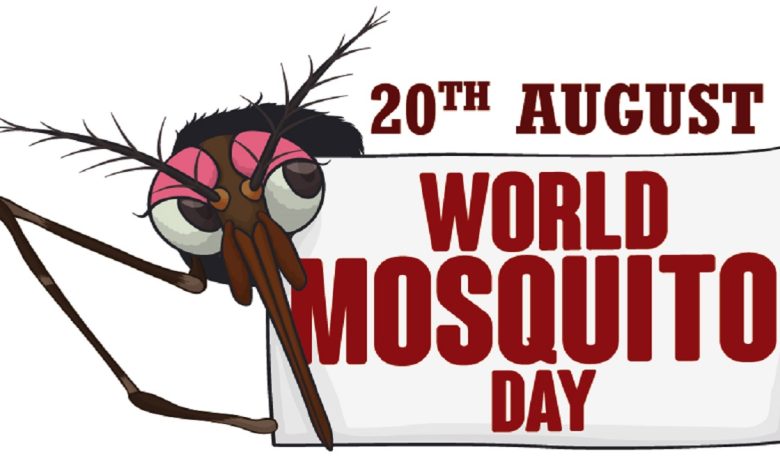
World Mosquito Day, observed annually on August 20th, marks a significant date in the history of medicine and public health. It commemorates the discovery made by British doctor Sir Ronald Ross in 1897, that female Anopheles mosquitoes are responsible for transmitting malaria between humans. This discovery revolutionized the understanding of malaria and laid the foundation for global efforts to control and eventually eradicate mosquito-borne diseases. World Mosquito Day 2024 is a day dedicated to raising awareness about the dangers posed by mosquitoes and the ongoing efforts to combat the diseases they spread.
The History of World Mosquito Day
World Mosquito Day has its roots in the late 19th century when Sir Ronald Ross, a British medical doctor, made a groundbreaking discovery that would change the course of medical history. On August 20, 1897, while working in India, Ross identified the presence of the malaria parasite in the gut of an Anopheles mosquito, proving that the disease was transmitted through mosquito bites. His discovery was pivotal in understanding the transmission of malaria, a disease that had plagued humanity for centuries.
Ross’s work earned him the Nobel Prize in Physiology or Medicine in 1902, and his discovery marked the beginning of concerted efforts to control and prevent malaria. World Mosquito Day was established to honor his contribution and to highlight the importance of ongoing research and interventions aimed at reducing the global burden of mosquito-borne diseases.
The Global Impact of Mosquito-Borne Diseases
Mosquitoes are often referred to as the world’s deadliest creatures, responsible for millions of deaths each year. The diseases they transmit, including malaria, dengue fever, Zika virus, chikungunya, and yellow fever, pose significant public health challenges, particularly in tropical and subtropical regions. Malaria alone is responsible for over 600,000 deaths annually, with the majority of victims being young children in sub-Saharan Africa.
The economic and social impact of mosquito-borne diseases is profound. In addition to the loss of life, these diseases lead to significant healthcare costs, lost productivity, and long-term disability. In many regions, the presence of mosquito-borne diseases hampers economic development, perpetuating cycles of poverty and inequality.
World Mosquito Day serves as a reminder of the ongoing fight against these diseases and the need for sustained global efforts to control and eventually eliminate them. It is a day to acknowledge the progress that has been made and to renew commitments to the research, prevention, and treatment strategies that will save lives.
Advancements in Mosquito Control and Disease Prevention
Over the years, significant progress has been made in the fight against mosquito-borne diseases. The development of insecticide-treated bed nets, indoor residual spraying, and artemisinin-based combination therapies have all contributed to the reduction of malaria cases and deaths. Vaccines, such as the RTS,S malaria vaccine, have shown promise in preventing the disease, particularly among young children.
Innovative approaches to mosquito control are also being explored. For example, the use of genetically modified mosquitoes to reduce populations of disease-carrying species has shown potential in reducing the transmission of diseases like dengue and Zika. The release of sterile male mosquitoes, which mate with females but produce no offspring, is another strategy being tested in various parts of the world.
Community engagement and education are critical components of mosquito control efforts. In many regions, public health campaigns aim to educate people about the importance of eliminating mosquito breeding sites, such as stagnant water, and the use of personal protective measures, such as repellents and clothing that covers the skin.
The Role of Technology in Mosquito Research
Technology has played a crucial role in advancing mosquito research and control efforts. Geographic Information Systems (GIS) and remote sensing technology have improved the ability to track and predict mosquito populations and disease outbreaks. This has enabled more targeted and effective interventions, particularly in regions where resources are limited.
Additionally, advancements in genetic research have led to a deeper understanding of mosquito biology and behavior. This knowledge is being used to develop new strategies for mosquito control on World Mosquito Day, such as the release of mosquitoes that carry a gene that reduces their ability to transmit diseases. These innovative approaches have the potential to revolutionize the way mosquito-borne diseases are controlled in the future.
The Importance of Global Collaboration
World Mosquito Day 2024 is a call to action for global collaboration in the fight against mosquito-borne diseases. No single country or organization can address this challenge alone; it requires coordinated efforts at the international, national, and local levels. Governments, non-governmental organizations, research institutions, and the private sector must work together to develop and implement effective strategies for mosquito control and disease prevention. especially on World Mosquito Day.
International initiatives, such as the Roll Back Malaria Partnership and the Global Fund to Fight AIDS, Tuberculosis, and Malaria, have played a crucial role in mobilizing resources and coordinating efforts to combat malaria and other mosquito-borne diseases. These partnerships have led to significant reductions in disease incidence and mortality, but much work remains to be done.
Public Awareness and Education
Public awareness and education are key components of efforts to control mosquito-borne diseases. World Mosquito Day provides an opportunity to educate people about the dangers of mosquitoes and the importance of taking preventive measures. Simple actions, such as eliminating standing water where mosquitoes breed, using insect repellent, and sleeping under bed nets, can significantly reduce the risk of mosquito bites and the diseases they transmit.
Educational campaigns can also dispel myths and misconceptions about mosquito-borne diseases and promote community involvement in control efforts. Engaging communities in mosquito control activities, such as neighborhood clean-up campaigns and the distribution of bed nets, can empower people to take action to protect themselves and their families.
Looking Ahead: The Future of Mosquito Control
As we observe World Mosquito Day 2024, it is important to look ahead to the future of mosquito control and disease prevention. Continued research and innovation are essential to developing new tools and strategies that can outpace the adaptability of mosquitoes and the diseases they carry. The development of new vaccines, insecticides, and genetic technologies holds promise for reducing the burden of mosquito-borne diseases in the coming years.
However, the fight against mosquitoes is not just a scientific challenge; it is also a social and political one. Addressing the underlying factors that contribute to the spread of mosquito-borne diseases, such as poverty, lack of access to healthcare, and environmental degradation, is critical to achieving long-term success.
Conclusion
World Mosquito Day 2024 is a reminder of the global impact of mosquito-borne diseases and the ongoing efforts to combat them. From the groundbreaking discovery of Sir Ronald Ross to the latest advancements in mosquito control technology, the fight against mosquitoes has been a long and challenging journey. As we commemorate this day, let us renew our commitment to the research, education, and collaboration needed to protect the world’s most vulnerable populations from these deadly diseases.


