
Wanted BLF terrorist ‘killed’ by accomplice
Shambeen Alias Shahak: A Key Figure in Balochistan's Turbulent Landscape
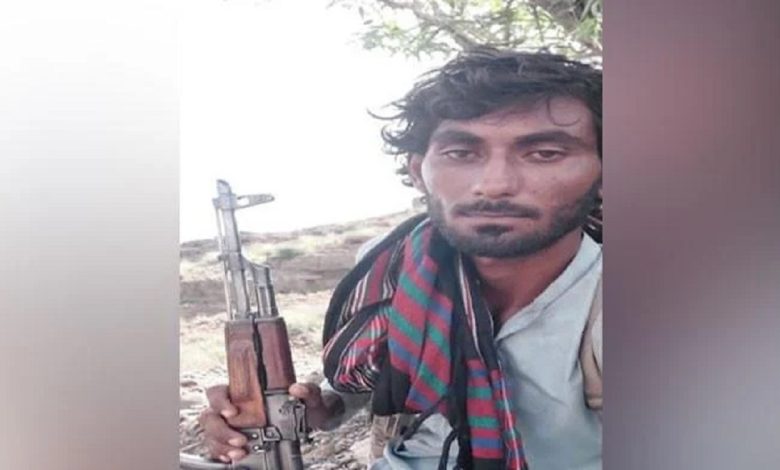
- Security sources say terrorists involved in attacks on forces.
- He also ‘killed’ former terror group members who surrendered.
- Shambeen ‘directly involved’ in attacks on security forces.
BLF terrorist Shambeen, also known by his alias Shahak, was a notorious figure involved in various terrorist activities across Balochistan. His name became synonymous with violence and fear, particularly due to his involvement in numerous attacks on security forces and the brutal killing of former militant members who had chosen to surrender. His (BLF terrorist) death marks a significant blow to the operations of militant groups in the region, but it also sheds light on the deeper issues plaguing these organizations.
The Role of BLF Terrorist Shambeen
BLF terrorist Shambeen was not just another militant; he was a key player in orchestrating attacks against security forces in Balochistan. His involvement extended beyond mere participation; he was allegedly responsible for planning and executing several high-profile attacks. These attacks targeted not only security personnel but also civilians, further destabilizing the already volatile region. The BLF terrorist’s operations were marked by ruthlessness, especially against former comrades who had surrendered, viewing them as traitors to their cause.
BLF terrorist Shambeen’s death has reignited discussions about the internal conflicts that plague militant groups operating in Pakistan. Brigadier (retd) Waqar Hassan, in an interview with Geo News, highlighted that these groups, whether operating under the guise of religion or nationalism, function more like criminal mafias than ideological movements. According to Brigadier Hassan, the primary motive behind their actions is not ideological but rather to create chaos and extort money from various sources.
Infighting Driven by Greed
The infighting among these groups is not a recent phenomenon. It has been a persistent issue, fueled by greed and the desire for control over resources. Brigadier Hassan pointed out that the main reason for the infighting is the division of funds. These funds, often sourced through illegal means such as extortion and smuggling, are a significant cause of discord among the groups. As different factions vie for a larger share, tensions rise, leading to violent clashes and, in some cases, the elimination of key figures like BLF terrorist Shambeen.
Impact of Intelligence Efforts
The increasing infighting within these militant organizations can also be attributed to the efforts of Pakistan’s intelligence agencies. Over the years, these agencies have worked tirelessly to infiltrate and weaken these groups from within. The cracks within the organizations are not just a result of internal disputes but are also a testament to the effectiveness of intelligence operations. By exacerbating existing tensions and encouraging surrenders, the intelligence agencies have managed to create a rift within these groups, making them less cohesive and more prone to self-destruction.
The Future of Militant Groups in Balochistan
The ongoing infighting raises questions about the future of these militant organizations. As Brigadier Hassan noted, if the intensity of these internal conflicts continues to rise, it could lead to the eventual collapse of these groups. However, this is not guaranteed, as new leaders often emerge from the chaos, perpetuating the cycle of violence. The hope is that with continued pressure from security forces and intelligence agencies, along with the diminishing resources due to infighting, these groups will eventually lose their operational capabilities.
Balochistan: A Region Under Siege
Balochistan has long been a hotspot for terrorist activities, with both civilians and security forces bearing the brunt of the violence. The province remains one of the most affected regions in Pakistan, with a significant percentage of the country’s terrorist-related fatalities occurring there. In the second quarter of 2024 alone, Balochistan accounted for 25% of all deaths from terrorist attacks, highlighting the severity of the situation. This is in stark contrast to Khyber Pakhtunkhwa, which, despite also being heavily impacted, saw 67% of lives lost to terrorism.
Conclusion
The death of BLF terrorist Shambeen alias Shahak may be a victory for security forces, but it is also a stark reminder of the ongoing challenges in combating terrorism in Balochistan. The internal strife within militant groups, driven by greed and the desire for power, offers a glimmer of hope that these organizations may eventually implode. However, the path to peace in Balochistan is fraught with difficulties, and it will require sustained efforts from both security forces and the government to ensure that the region can finally emerge from the shadow of terrorism.


