
Are Dams the Modern Solution for Pakistan’s Floods and Climate Change?
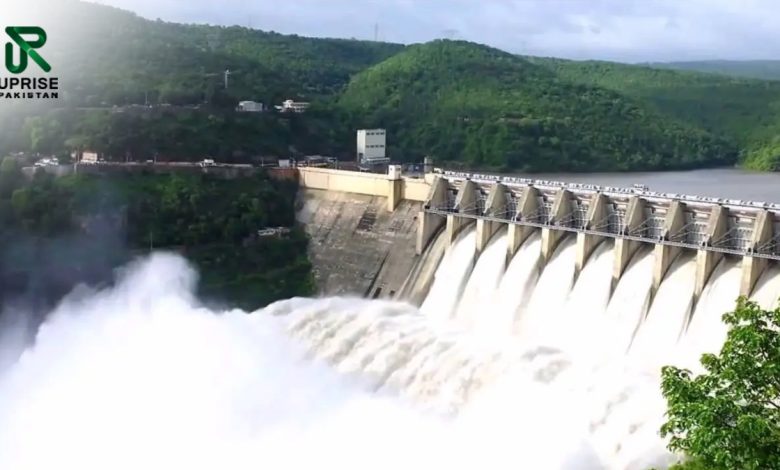
Pakistan faces harsher rains, melting glaciers, and crowded cities. So, are dams the silver bullet—or just one tool? This monsoon again brought high flows and alerts across the rivers—several districts near rivers experienced displacement, crop damage, and infrastructure stress. Climate extremes now swing between drought and flood more often.
This monsoon again brought high flows and alerts across the Indus system.
What Dams Can Do
- They cut peak flows by storing stormwater and releasing it later.
- They protect towns downstream when managed well.
- Hydropower from these systems can displace fossil fuels.
- Modeling studies suggest dams can reduce people’s flood exposure downstream by 12–20%, though results vary by geography, management, and system design.
Where Dams Fall Short
Many dams were designed for a milder climate and now face bigger, slower-moving storms. Therefore, failures or emergency spills can cause “pulsing” floods downstream. Reservoirs emit methane, a greenhouse gas contributing to global warming over time, especially in tropical settings. When dams trap sediment, deltas and coasts lose soil, which increases flood risks and harms nature over time.
Water Storage: Myths vs Reality
| Storage option | Typical scale in Pakistan | What the data says | Why it matters |
| Existing live reservoir capacity (Tarbela, Mangla, Chashma) | ≈ 13.35 MAF combined | Federal Flood Commission lists max live capacity ~13.354 MAF. | Useful but limited vs growing extremes. |
| Under-construction additions (Diamer Bhasha + Mohmand) | ≈ 7.1 MAF extra (6.4 + ~0.676) | Diamer Bhasha’s 6.4 MAF is widely cited; Mohmand’s exact storage figure should be verified through WAPDA project documentation. | Raises buffer, but not enough alone. |
| Fresh groundwater in the Indus Basin aquifer | ~1,250 bcm ≈ 1,013 MAF | World Bank estimate of fresh, usable stock. | Orders of magnitude larger than dams; ideal for managed recharge. However, arsenic and other groundwater contaminants are present in parts of the basin and must be considered. |
Takeaway: Natural groundwater storage dwarfs reservoir storage. However, large-scale recharge must be paired with robust water quality management.
What Pakistan Needs Now
A smarter, climate-resilient water strategy—beyond concrete walls—is the only solution that blends innovation, nature, and governance to shape a safer future.
WSUD for Cities
Cities like Lahore can act like “sponges.” With rain gardens, recharge wells, permeable streets, and detention parks, we can soak up cloudbursts, cut street flooding, and refill aquifers. Local pilots and design studies show WSUD can fit Pakistan’s climate and soils.
Riparian Zone Management for Rural Rivers
Healthy riverbanks slow water, trap sediment, and shield farms. Riparian buffers and floodplain restoration lower peak flows and reduce erosion—a low-cost defense that restores habitat.
FIRO: Smarter Dam Operations
Old manuals release water by fixed dates. Forecast-Informed Reservoir Operations (FIRO) uses modern weather and river forecasts to predict time releases better. U.S. pilots show FIRO can protect from floods while saving water for dry spells—without building new walls. Pakistan can adapt this approach to the Indus.
Basin-Wide Governance on the Indus
Good rules matter as much as concrete ones. Coordinated operations, sediment management, and transparent data across provinces can reduce conflict and improve safety. Satellite studies show more people live on floodplains now, so better planning is urgent.
Pakistan’s Major Dam Projects: Progress and Debate
- Diamer Bhasha Dam (Under Construction): Aims to add ~6.4 Million Acre-Feet (MAF) of live storage and hydropower. Work continued through 2024–25 with land compensation and construction milestones.
- Dasu Hydropower Project: A major run-of-river scheme on the Indus. WAPDA targets first power in 2027, adding low-carbon electricity but with very limited storage.
- Kalabagh Dam Debate: This proposed project remains politically disruptive. Three provincial assemblies have opposed it, citing downstream and local risks. Any future path needs broad consent and strong safeguards.
So… Are Dams the Modern Solution to Pakistan’s Floods?
Short answer: Dams help, but they are not the whole answer.
Here’s why:
- Evidence Shows Real—But Partial—Benefits
A global Nature Communications study and other modeling efforts show dams can reduce downstream exposure. Yet the same literature notes “pulsing” and limits at river mouths. We should count the benefits, but plan for the limitations. - Climate Change Alters the Rules
Bigger, slower-moving storms can push reservoirs toward emergency releases. Smarter operations like FIRO can make existing dams safer and more useful. - Reservoirs Aren’t Climate-Neutral
Methane from reservoirs increases their carbon footprint over time, particularly in warm climates. While hydropower is often called “clean,” long-term emissions must be included in planning. - Pakistan’s Best Storage Is Underground
The Indus Basin’s fresh aquifer stock is roughly 1,000+ MAF—far more than reservoirs. Managed aquifer recharge during the monsoon can store water without evaporation losses and can reduce urban flooding. Yet recharge strategies must avoid areas with contaminated groundwater. - Nature-Based Solutions Work with Dams
WSUD in cities and riparian buffers in rural zones reduce flood peaks, restore ecosystems, and builds resilience at lower cost. Pair these with targeted dams and smarter operations for the strongest defense.
Build Smart Water-Flow Infrastructure (Solutions You Can Use Now)
Pakistan also needs better water-flow infrastructure—not just more walls.
- Start with city drainage master plans that separate stormwater from sewage and add detention basins.
- Clear and widen key drainage channels before the monsoon to keep water flowing smoothly..
- Add urban flood bypasses and green corridors to steer water safely.
- Along rivers, create levee set-backs and floodplain storage cells that fill first, protecting towns.
- Upgrade barrages and gates for safe high-flow releases guided by real-time forecasts, sensors, and shared dashboards.
Together, these steps move water faster where needed and slower where safe—boosting Pakistan’s climate adaptation.
Beyond Dams: Pakistan’s Smarter Flood Fix
If the question is, “Are dams the solution to Pakistan floods?” the honest answer is “no—” and not by themselves.
The Modern Solution Is a Mix:
- Selective dams and hydropower where they make sense
- Forecast-Informed Reservoir Operations (FIRO) to run them smarter
- WSUD to turn cities into sponges
- Riparian restoration to slow water in the countryside
- Basin-wide governance that shares data and risk
- And careful groundwater recharge, mindful of quality constraints
Do that, and Pakistan can cut flood losses, store more water for dry months, and keep faith in both people and the river.


