
Bridgerton Season 4’s Secret Sauce? Actually Caring About Women’s Orgasms

Last Updated:
From Francesca’s search for the “pinnacle” to Violet’s late-stage sexual reclamation, Season 4 of the Netflix juggernaut shows us the honest reality of the female interior




Bridgerton Season 4’s Secret Sauce? Actually Caring About Women’s Orgasms
Move over, Lady Whistledown. There’s a new subject dominating the gossip columns of our hearts, and we love that Bridgerton isn’t just about who is marrying whom. It’s about who is actually enjoying it.
Bridgerton has always been more than just empire waists and string covers of our favourite songs. From the jump, the show has revolted against the “normative gaze” but occasionally pandered to it too. Largely though, that stale, historical lens where women are merely vessels for heirs or pretty statues in a drawing room is shunned in the series. Instead, it’s turned the camera toward the female interior, asking: What happens when a woman’s desire is the protagonist?
We’ve been tracking how the show handles the “female gaze,” and honestly, it’s getting way more interesting than just sweaty dukes in libraries.
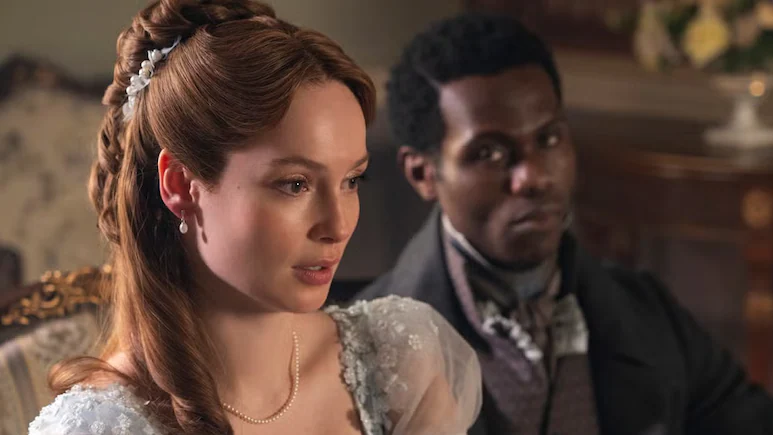
The Francesca Problem: When “Good” Isn’t Quite Enough
While previous seasons focused on the “awakening” (think Daphne wonder at sex, or Kate’s slow-burn tension with Anthony), Season 4 takes us into much more complex, contemporary territory through Francesca.
In a daring move for a period piece, the show explores the “pleasure gap.” On paper, her life is a win – she’s got the quiet, sweet husband and the peace she craved. But the show isn’t shying away from the bedroom disconnect.
Francesca’s struggle to reach climax isn’t framed as a personal failure or a medical mystery; it’s a nuanced look at the reality of many women’s lives. By highlighting her inability to orgasm with John, the show validates a lived experience that is often erased by the “happily ever after” trope. It tells us that a “good match” on paper doesn’t always translate to physical synchronicity and that a woman’s frustration is a story worth telling.
Violet Bridgerton: The Garden In Full Bloom
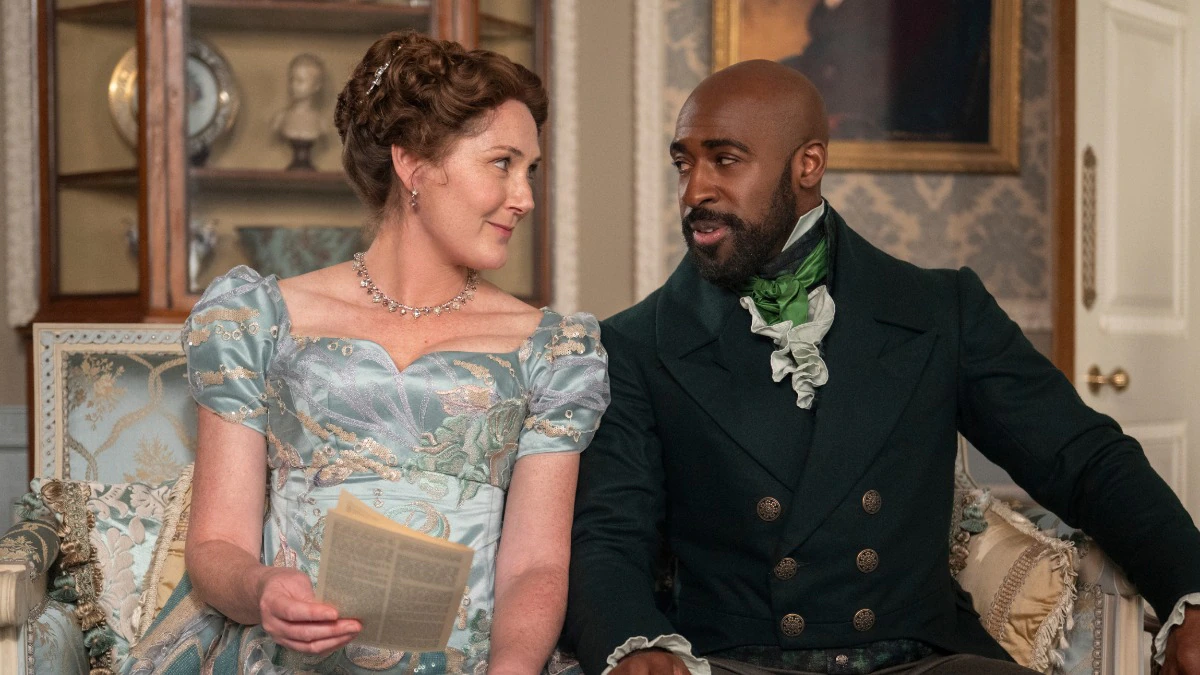
On the flip side, we have the Dowager Viscountess herself. For years, Violet was the moral compass, the grieving widow, the mother of eight. Her sexuality was “resolved.”
But watching her finally give into her “blooming garden” years after Edmund’s death is perhaps the most contemporary thing the show has ever done. It’s brilliant. There’s something so radical about a show centered on debutantes suddenly saying, “Hey, the 50-year-old mother of eight is still a sexual being.” It’s a middle finger to the trope that once you’re done with childbearing, you’re basically a decorative houseplant.
Her fidgety self, admiring her body in the mirror, and finding her way into a corset to become the ‘tea’ for Lord Marcus – it is as honest a depiction of a woman who is struggling with love and pleasure. She feels guilty about moving on, and questions whether her need for pleasure negates her grief for her husband. And these insecurities are portrayed, and addressed, beautifully in the show.
Bridgerton has, quite effectively, turned the “marriage mart” into a “pleasure map,” reminding its viewers that every woman, whether a debutante or a dowager, deserves to find her own North Star.
February 09, 2026, 20:06 IST
Source link


