
Why Are Attacks On Pakistan Increasing From Afghan Territory?
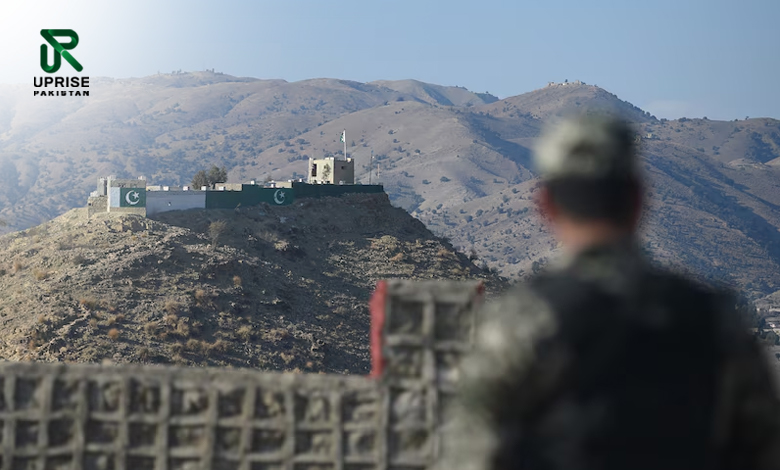
Since 2021, Pakistan has faced more attacks launched from across the Afghan border. Many of these attacks trace back to the Tehreek-e-Taliban Pakistan (TTP) and ISIS-Khorasan. After the Taliban took Kabul, some militants found shelter inside Afghanistan. As a result, raids and ambushes rose in Pakistan’s northwest and Balochistan.
Recently, cross-border clashes even shut key crossings. This story is complex, but the reasons are clear. Geography, safe havens, and weak border control play big roles. So do regional rivalries and broken talks. A closer look at the conflict’s triggers, the latest figures, and what may help bring stability to the region.
The Data: Attacks And Deaths Have Climbed
Pakistan saw a major jump in attacks and deaths in 2024. The Pakistan Institute for Peace Studies counted 521 terrorist attacks in 2024, a 70% rise from 2023, killing 852 people. Most incidents hit Khyber Pakhtunkhwa and Balochistan.
Moreover, another tracker noted 2,546 total deaths in 2024 when you include terrorism and counter-terrorism operations, a 66% increase from 2023.
Meanwhile, 2025 has seen deadly border flare-ups. In October, intense Pakistan-Afghanistan clashes killed dozens and shut crossings like Torkham and Chaman, as each side blamed the other.
| What | Figure | Source |
| Terrorist attacks in Pakistan, 2024 | 521 | PIPS, Jan 2025 |
| Terrorism + CT deaths, 2024 | 2,546 | International IDEA, citing CRSS, Dec 2024 |
| Border closures after clashes | Multiple crossings shut, Oct 12, 2025 | Reuters |
Why Afghan Territory Matters
After 2021, the TTP gained breathing space across the border. U.S. Institute of Peace experts write that the Taliban’s sanctuary for groups, including the TTP, is a key driver of today’s threat landscape.
ISIS-K activity. Additionally, ISIS-Khorasan remains lethal across Afghanistan and Pakistan, and it seeks a cross-border impact. U.S. counterterror sources describe ISIS-K as one of ISIS’s deadliest branches.
A hard-to-police frontier. The mountainous Durand Line runs through tribal areas with rugged terrain and deep family ties on both sides. Therefore, militants can slip across, strike, and retreat. Analysts and official reports repeatedly point to this border reality.
“The Taliban’s provision of sanctuary to terrorist groups, including the Tehreek-e-Taliban Pakistan, is an important driver of the threat.”
Triggers Since 2021
Because early ceasefire efforts with the TTP collapsed, violence resumed. Fighters regrouped in Afghan safe areas and pushed raids back into Pakistan—a cross-border tit-for-tat. When Pakistan targets TTP figures, Taliban forces sometimes respond along the border. Over the October 12–13 weekend, both sides traded fire, and Pakistan shut major crossings.
Furthermore, shifting ties in the region add friction. Reporting notes how broader rivalries and new outreach to Kabul shape the border mood and messaging on both sides.
What Are The Key Factors?
- TTP (Pakistani Taliban): It aims to enforce hardline rule in Pakistan. Attacks often target security forces near the Afghan frontier. Analysts report hundreds of TTP attacks or clashes in the past year.
- ISIS-Khorasan: It conducts mass-casualty attacks across the region and threatens Pakistan as part of a wider campaign.
- Afghan Taliban authorities: They deny hosting TTP fighters, but reports and experts link sanctuaries in Afghanistan to rising violence in Pakistan.
Why Are Attacks Rising?
Safe havens plus momentum. Because havens reduce pressure, militants train, recruit, and plan. That capacity then shows up in Pakistan’s attack trends.
Border friction. When firefights erupt, militants exploit the chaos. Therefore, each clash can open space for more raids and propaganda wins.
Limited coordination. Since Kabul and Islamabad distrust each other, cross-border security efforts sputter. Consequently, joint action against TTP and ISIS-K remains uneven.
What Could Help Now?
- Verify and act on cross-border threats. Both sides need working channels to share names, camps, and routes. Even basic, real-time calls can save lives.
- Border management. Because terrain is tough, smart fencing, sensors, and legal crossing points can reduce illicit flows. Reports stress the frontier’s role in enabling attacks.
- Targeted pressure on ISIS-K and TTP. Focused operations against planners and facilitators on both sides are vital. U.S. and EU analyses warn about ISIS-K’s regional reach.
- Protect civilians and workers. Attacks on polio teams and markets sow fear. Strong escorts and quick claims tracking can deter repeat assaults.
The Road Ahead For Peace
Attacks on Pakistan from Afghan territory have risen because space has been opened for the TTP and ISIS-K, border controls remain hard, and trust between Kabul and Islamabad is thin. While anger is high on both sides, only steady, verified cooperation can shrink the threat. Without it, militants will continue using the frontier to strike and then fade back into the hills. Recent clashes show the cost of delay.


