
Can Artificial Intelligence Solve Problems Better Than Us?
The Rise of Artificial Intelligence in Problem-Solving
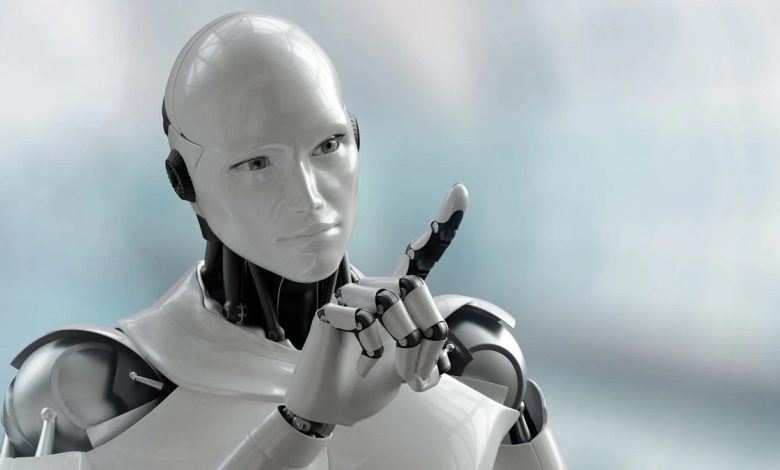
Artificial Intelligence (AI) has rapidly transformed from a futuristic concept into a tangible reality, reshaping industries and influencing daily life. From self-driving cars to personalized recommendations, AI systems are increasingly being relied upon to solve complex problems. But the question remains: Can AI solve problems better than humans?
As AI continues to evolve, its problem-solving capabilities are becoming more sophisticated. However, understanding the strengths and limitations of Artificial Intelligence is crucial in determining whether these super smart machines can truly outperform human intelligence.
The Strengths of Artificial Intelligence in Problem-Solving
Artificial Intelligence excels in several areas where human capabilities fall short. One of the key advantages of AI is its ability to process vast amounts of data at incredible speeds. This enables AI systems to analyze patterns, make predictions, and provide solutions that would be impossible for a human to achieve in a reasonable time frame.
Moreover, Artificial Intelligence is not bound by the limitations of human cognition. It can work tirelessly, without fatigue or emotional bias, allowing it to make decisions based purely on data and logic. In fields like healthcare, finance, and logistics, Artificial Intelligence’s capacity to handle complex calculations and scenarios is proving to be invaluable.
Human Creativity vs. AI’s Analytical Precision
While Artificial Intelligence has undeniable strengths, it’s important to recognize the unique qualities that humans bring to problem-solving. Creativity, intuition, and emotional intelligence are areas where AI still lags behind. Humans have the ability to think outside the box, draw on personal experiences, and consider the emotional and ethical implications of their decisions.
AI, on the other hand, operates within the confines of its programming and the data it has been trained on. While AI can generate creative outputs, such as art or music, these creations are often the result of analyzing existing works rather than original thought. This limitation highlights the gap between Artificial Intelligence’s analytical precision and the human ability to innovate.
AI in Collaborative Problem-Solving
One of the most promising aspects of Artificial Intelligence is its potential to work alongside humans in solving problems. Rather than replacing human intelligence, Artificial Intelligence can augment our capabilities, providing tools and insights that enhance decision-making processes.
For instance, in medicine, AI can analyze medical images to detect conditions that may be missed by the human eye, but the final diagnosis and treatment plan are best made by a skilled physician who can consider the patient’s overall well-being. This collaborative approach leverages the strengths of both AI and human expertise, leading to better outcomes.
The Ethical Dilemmas of AI Decision-Making
As AI takes on more significant roles in problem-solving, it also raises important ethical questions. Who is responsible when an AI system makes a mistake? How do we ensure that AI decisions are fair and unbiased? These concerns are particularly relevant in areas like criminal justice, where AI is being used to predict recidivism rates and inform sentencing decisions.
Ethical dilemmas arise because AI systems are only as good as the data they are trained on. If the data contains biases, the AI’s decisions may perpetuate those biases. Ensuring that AI systems are transparent and accountable is essential to prevent harm and maintain public trust.
The Future of AI and Human Problem-Solving
Looking ahead, the future of problem-solving will likely involve a blend of AI and human intelligence. AI will continue to advance, becoming more adept at handling tasks that require data-driven analysis. However, the human elements of creativity, empathy, and ethical reasoning will remain crucial in navigating the complexities of real-world problems.
The key to success lies in embracing AI as a partner rather than a replacement. By combining the strengths of Artificial Intelligence with human ingenuity, we can solve problems more effectively and create a future where technology and humanity coexist harmoniously.


