
CDF Asim Munir Visits Iran For Mediation Talks With FM Araghchi
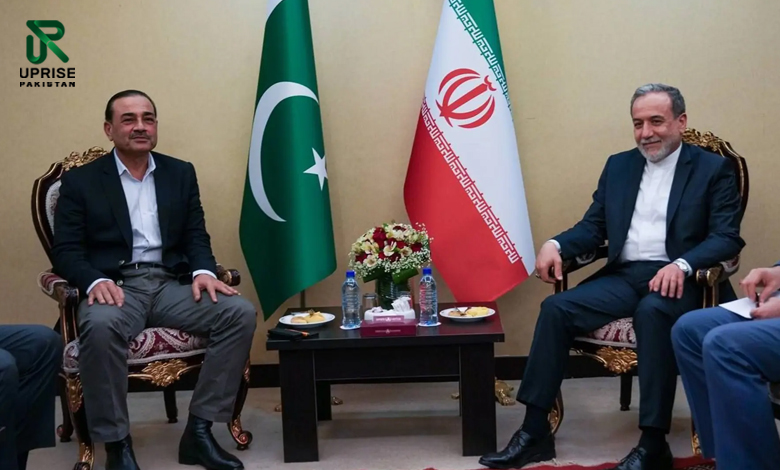
Field Marshal Asim Munir, Pakistan’s Chief of Defense Forces, has traveled to Tehran for mediation talks. Reports say he met Iran’s Foreign Minister Abbas Araghchi and other officials. Many people feel anxious about what happens next in the region. So, this visit matters to everyday families, too. Fuel prices, trade routes, and border calm can all change fast. At the same time, leaders say Pakistan wants to keep talks alive between Iran and the United States.
Araghchi Welcomes Munir InTehran
Dawn reported that CDF Asim Munir arrived in Tehran and met Foreign Minister Abbas Araghchi. Also, ISPR described the trip as part of “ongoing mediation efforts” to de-escalate tensions between Iran and the U.S.
Meanwhile, Iran’s side signaled welcome. Araghchi wrote on X that he was “delighted” to welcome Munir and thanked Pakistan for hosting the earlier dialogue. That wording matters because it suggests Iran still wants a path for talks.Even so, the biggest point is simple. Pakistan is trying to keep the conversation going. And Munir’s trip adds weight because he can speak directly with key power centers.
“Delighted to welcome Field Marshal Munir to Iran.”
Pakistan’s Plan ToKeep Channels Open
This story sits inside a larger push for a ceasefire and more talks. Reuters reported that Pakistan has played a key role in mediation efforts. Also, the Wall Street Journal reported that Pakistan’s foreign ministry said a new round of U.S.-Iran talks has been agreed “in principle,” but no date has been set.
So, what is Pakistan trying to do right now?
- Keep the ceasefire from breaking.
- Help both sides agree on the next meeting place and date
- Narrow gaps on the hardest issues, like nuclear rules and shipping routes
At the same time, Iran’s foreign ministry spokesperson said messages keep moving through Pakistan. That matters because talks can survive only if channels stay open.
| Date (2026) | What was reported | Why it matters |
| Feb 28 | Conflict escalated after strikes and retaliation | Set off urgent diplomacy |
| Apr 8 | A ceasefire began (reported as a two-week ceasefire) | Reduced direct fighting, but stayed fragile |
| Apr 11 | U.S. and Iran held rare direct talks in Islamabad | Pakistan became a central mediator |
| Apr 15 | Munir visited Tehran and met Araghchi | Pakistan pushed for next-step talks |
| Apr 16 | Pakistan said the next talks have no set date yet | Shows talk is real, but not locked in |
Why The Strait OfHormuz Keeps Coming Up
You may wonder why a sea lane shows up in every update. The Strait of Hormuz is a major oil chokepoint. And when shipping slows, prices can rise fast.
The U.S. Energy Information Administration says oil flow through Hormuz averaged about 20 million barrels per day in 2024, around 20% of global petroleum liquids consumption. So, any disruption can hit wallets far away.
Reuters also noted that the Strait “channels around 20%” of the world’s oil and LNG, and that the conflict has disrupted flows. That is why even people in the U.S. watch this closely.
Small Steps Toward ADeal
Nobody has published a full deal outline. Still, credible reporting gives clues.
- Iran has said its right to enrich uranium is “indisputable,” while the level can be negotiated.
- Reuters reported that nuclear issues remain a key sticking point in broader peace efforts.
- Pakistan’s officials say they are trying to bring “maximum understanding” before another round of talks.
Diplomacy often advances in small steps by extending a ceasefire, establishing rules for talks, and then addressing the most challenging issues.
A High-Stakes Diplomatic Push
Munir’s visit to Iran adds a serious push to Pakistan’s mediation role. It also gives Tehran and Washington another chance to keep talking. Still, the hardest issues remain on the table. Nuclear terms and the Strait of Hormuz can reshape the whole region. If leaders lock in a date for the next meeting soon, this trip may look like a turning point. If they don’t, the pressure for a ceasefire will grow quickly.


