Chauburji: The Iconic Mughal Gateway with Majestic Architectural Elegance
Discover the rich history and architectural beauty of Chauburji, the Mughal-era gateway with four domed towers and intricate tile work, offering a glimpse into Lahore's royal past.
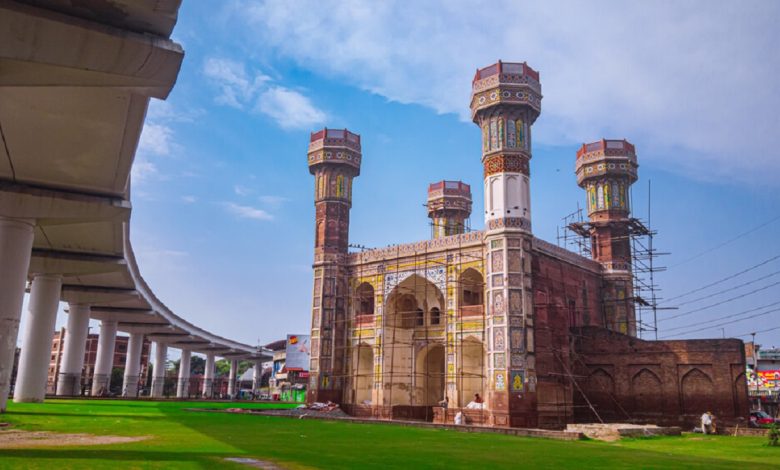
Chauburji is a historic architectural wonder located in Lahore, Pakistan, renowned for its striking design and historical significance. This monument, dating back to the Mughal era, is a gateway that once led to a beautiful garden. Today, it stands as a symbol of the grandeur and artistic achievements of the Mughal Empire. The name “Chauburji,” which translates to “Four Towers,” refers to the monument’s distinctive feature – its four domed towers. These towers, along with the ornate tile work that adorns the structure, make Chauburji one of the most visually appealing historical landmarks in Lahore.
Historical Significance of Chauburji
Chauburji was built during the reign of Emperor Jahangir, likely in the early 17th century, although the exact date of construction remains a topic of historical debate. It is believed that Chauburji originally served as the entrance to a large garden, providing access to an area that was once a center of cultural and royal activity. The garden surrounding Chauburji was part of a royal estate, and the structure itself was likely designed as an ornamental gateway that combined both beauty and functionality.
Over the years, Chauburji has witnessed the evolution of Lahore from a Mughal imperial city to a modern metropolis. Despite the passage of time, the gateway remains a testament to the artistic and architectural legacy of the Mughal dynasty.
Architectural Beauty: A Blend of Persian and Indian Styles
Chauburji is an outstanding example of Mughal architecture, showcasing the intricate design elements that characterize the era. The gateway is known for its four majestic domed towers, each of which is adorned with delicate tile work and floral motifs. The combination of these towers and the surrounding decorative elements is a distinctive feature of the Mughal architectural style.
The use of red sandstone, along with white marble, creates a striking contrast that enhances the aesthetic appeal of Chauburji. The intricate tile work is another hallmark of Mughal craftsmanship, with vibrant colors and geometric patterns that add depth and richness to the structure. The tile work not only serves a decorative purpose but also reflects the Mughal obsession with symmetry and intricate details.
One of the most striking features of Chauburji is the large central archway, which is flanked by smaller arches on either side. This archway is an example of the Mughal’s mastery of symmetry and proportion, which was a key element in their architectural philosophy.
Chauburji’s Role in Lahore’s Cultural Heritage
While Chauburji may no longer serve as a gateway to the royal gardens it once led to, it continues to hold immense cultural and historical value. As one of Lahore’s most important Mughal-era monuments, it stands as a reminder of the city’s imperial past and the legacy of the Mughal Empire.
Lahore, once the capital of the Mughal Empire, is home to many historical landmarks that reflect its rich history and cultural heritage. Chauburji is an integral part of this heritage, offering a glimpse into the life and times of the Mughal rulers who once governed this region. Today, it serves as a popular tourist destination, attracting visitors from all over the world who come to admire its beauty and learn about its fascinating history.
Chauburji as a Tourist Attraction
Chauburji’s architectural elegance and historical significance make it a must-visit destination for tourists in Lahore. Located on the outskirts of the Walled City, it is easily accessible and draws both local and international visitors. Tourists are often drawn to its picturesque surroundings, with its well-maintained gardens offering a peaceful retreat from the hustle and bustle of the city.
Photographers and architecture enthusiasts flock to Chauburji to capture the beauty of the four domed towers and the exquisite tile work that adorns the structure. The monument is an ideal spot for anyone interested in Mughal architecture and the history of Lahore. Guided tours provide visitors with a detailed understanding of the monument’s history, its significance, and the techniques used in its construction.
Preservation Efforts: Safeguarding a Historical Landmark
Chauburji, like many other historical monuments in Lahore, has undergone several restoration projects over the years to preserve its structure and aesthetic appeal. The use of modern conservation techniques has helped protect the monument from environmental wear and tear, ensuring that future generations can appreciate its beauty.
The Pakistani government, along with heritage conservation organizations, continues to make efforts to maintain Chauburji’s architectural integrity. This includes cleaning the tile work, reinforcing the structure, and managing the surrounding area to ensure that the monument remains a lasting symbol of Lahore’s Mughal heritage.
Why Visit Chauburji?
It is not only an architectural marvel but also an important historical site that offers a window into the grandeur of the Mughal Empire. Visiting Chauburji is an opportunity to experience the unique blend of art, culture, and history that defines Lahore. Whether you are a history lover, an architecture enthusiast, or simply someone who appreciates beautiful monuments, it provides an enriching experience.
Moreover, the peaceful gardens surrounding the gateway provide a relaxing environment for visitors, making it an ideal spot for a leisurely stroll or a quiet moment of reflection. Its proximity to other historical landmarks in Lahore makes it a perfect addition to any sightseeing itinerary.
Conclusion
Chauburji remains one of Lahore’s most iconic and beautiful monuments. Its intricate architectural design, rich history, and cultural significance continue to attract visitors from around the world. The gateway, with its four domed towers and stunning tile work, is a true reflection of the Mughal Empire’s architectural brilliance. As efforts continue to preserve and protect Chauburji, it stands as a lasting symbol of Lahore’s royal past and its place in the heart of Pakistan’s history.