Lahore Museum: A Gateway to Pakistan’s Rich History and Culture
Exploring Art, Heritage, and Ancient Civilizations Under One Roof
A Timeless Custodian of History
Located in the vibrant city of Lahore, the Lahore Museum stands as one of Pakistan’s oldest and most prestigious cultural institutions. Established in 1865, this museum is a testament to the region’s rich and diverse history. Housing an unparalleled collection of artifacts from the Gandhara civilization, the Mughal era, and British colonial times, the Lahore Museum offers a fascinating journey into the past.
Lahore Museum Historical Background
Originally housed in a modest building, the Lahore Museum found its current home in 1894 in an architectural masterpiece designed by Sir Ganga Ram. Located on Mall Road, this grand building blends elements of Mughal, Sikh, and British architectural styles, making it an attraction in itself. The museum’s establishment reflects the colonial administration’s interest in preserving and showcasing the subcontinent’s rich history.
An Extensive Collection of Artifacts
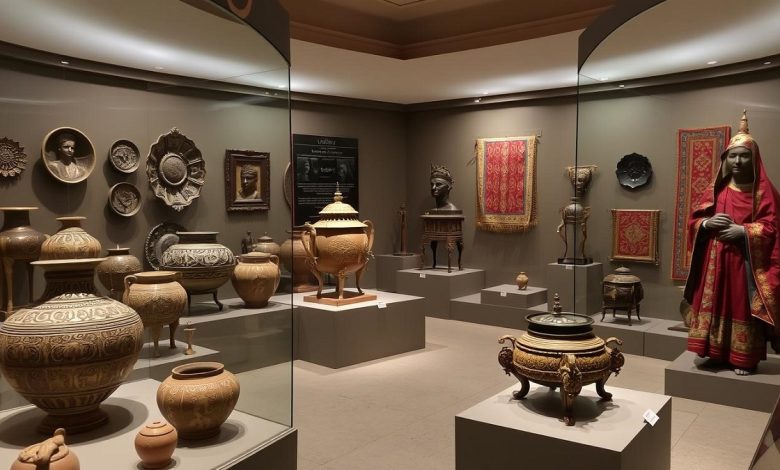
The Lahore Museum is celebrated for its extensive collection that spans several millennia, offering a unique glimpse into South Asia’s cultural and historical evolution.
The Gandhara Civilization
One of the museum’s highlights is its collection of artifacts from the Gandhara civilization, which thrived in the region during the 1st to 5th centuries CE. The exhibits include:
- Buddhist sculptures: Intricately carved statues of Buddha, Bodhisattvas, and scenes from Buddha’s life.
- Stupas and reliefs: Showcasing the fusion of Greek and Buddhist artistic traditions.
- Relics: Coins, pottery, and tools reflecting the advanced craftsmanship of the era.
The Mughal Era
The Mughal collection vividly portrays the grandeur of one of South Asia’s most influential empires. Visitors can marvel at:
- Miniature paintings: Depicting court scenes, battles, and royal portraits.
- Calligraphy: Featuring verses from the Quran and Persian poetry.
- Jewelry and ornaments: Demonstrating the intricate craftsmanship of Mughal artisans.
British Colonial Times
The museum also provides insights into the British colonial period through:
- Military memorabilia: Weapons, uniforms, and medals from colonial times.
- Architectural models: Representing colonial-style buildings and infrastructure.
- Furniture and décor: Showcasing the fusion of local and Western design elements.
Cultural and Ethnographic Displays
The Lahore Museum is not just about ancient history; it also celebrates Pakistan’s rich cultural diversity. The Ethnology Gallery showcases:
- Traditional costumes, jewelry, and household items from various regions of Pakistan.
- Musical instruments, including sitars, tablas, and sarangis.
- Textiles, highlighting the intricate weaving and embroidery techniques from Punjab, Sindh, Balochistan, and Khyber Pakhtunkhwa.
The Fabled Fasting Buddha
A visit to the Lahore Museum is incomplete without witnessing the iconic Fasting Buddha sculpture. This extraordinary artifact, carved from grey schist, is a masterpiece of Gandhara art. It portrays the emaciated Buddha during his six years of intense asceticism, symbolizing spiritual endurance and enlightenment.
Educational and Research Hub
The Lahore Museum serves as a vital educational resource for students, researchers, and historians. Its library contains rare manuscripts, books, and journals on art, culture, and history. Guided tours and workshops offer in-depth insights into the museum’s collections, making it an excellent learning platform.
Architectural Marvel of Lahore Museum
The building itself is a visual treat, blending elements of Mughal and Indo-Saracenic architecture. Its red-brick façade, domes, and arches reflect the aesthetic grandeur of the period. The interior features spacious galleries, high ceilings, and intricate woodwork, creating an ambiance that complements the artifacts on display.
Family-Friendly Experience
The museum caters to visitors of all ages, offering interactive exhibits and activities for children. Special events, such as art exhibitions, cultural festivals, and educational programs, make it a vibrant cultural hub in Lahore.
Location and Accessibility
Situated on the bustling Mall Road, the Lahore Museum is easily accessible by public and private transport. Nearby attractions include the Zamzama Gun (Kim’s Gun) and the Alhamra Arts Council, allowing visitors to explore more of Lahore’s rich heritage in one trip.
Why Visit Lahore Museum?
Visiting the Lahore Museum is an enriching experience that connects you with the roots of South Asia’s diverse civilizations. It is a treasure trove of history, art, and culture, offering something for everyone—be it a historian, an art enthusiast, or a curious traveler.
Preservation and Modernization Efforts
To ensure the museum remains a vibrant part of Pakistan’s cultural landscape, authorities have undertaken initiatives to preserve and modernize its facilities. Efforts include digitizing the collection, upgrading the infrastructure, and introducing audio-visual guides to enhance the visitor experience.
Final Thoughts
The Lahore Museum is not merely a repository of historical artifacts but a vibrant storyteller of Pakistan’s past. From ancient Gandhara sculptures to Mughal-era treasures and colonial relics, each exhibit tells a tale of resilience, creativity, and cultural fusion.
Whether you’re a local or a tourist, the Lahore Museum offers a memorable journey through the pages of history, leaving you with a deeper appreciation for Pakistan’s rich heritage.