
Day 7 Of Israel-Iran War Sends Oil Prices Higher
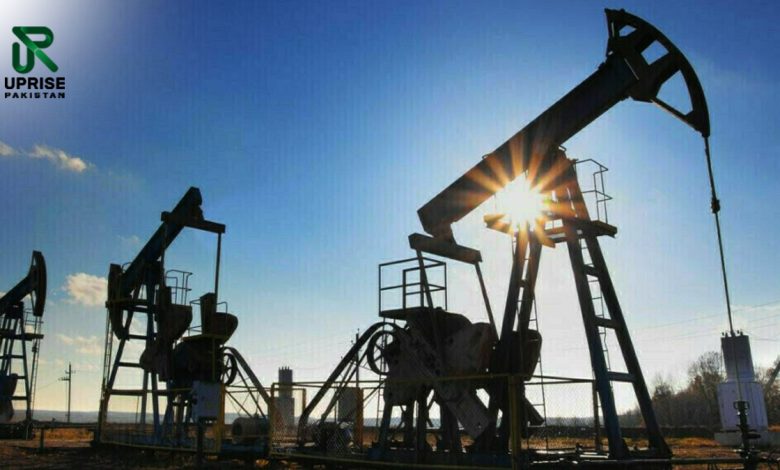
Oil prices keep climbing as the Israel-Iran fight drags through its seventh day. Jets hit nuclear sites near Tehran. The rockets slammed into an Israeli hospital overnight. Traders, drivers, and governments all worry. Brent crude closed at $78.85, up almost 3 percent. West Texas Intermediate (WTI) rose to $77.20. Analysts warn prices could sprint past $120 if the Strait of Hormuz shuts.
Meanwhile, Washington weighs joining the clash. Each strike raises fear, and every new headline pushes fuel costs higher. Let’s break down why the market moves so fast and what might come next.
Escalation Reaches Day Seven
Israel’s overnight air raid struck deep inside Iran. Sirens wailed in Tehran, and smoke covered the sky. Soon after, Iran fired missiles and drones at Israeli sites. Both sides now talk of a “full price” for attacks. Because neither shows an exit plan, the fight feels locked on “repeat.”
Moreover, each new blast rattles oil traders. They watch radar apps, satellite feeds, and social posts for the next flare. Thus, fear spreads faster than the fire itself. Leaders warn outsiders to stay back, yet the region’s borders mean conflict rarely stays local. In short, the longer this shoot-and-reply cycle lasts, the more the market bets on higher crude.
Oil Markets React to Missile Strikes
Traders hate surprises, and missiles bring plenty. Therefore, benchmarks spiked the moment news hit. Brent gained $2.15 in a single session. WTI followed within minutes. Light holiday volumes in the U.S. made the jump sharper. Still, volume was not the only driver. As one analyst put it, “Fear trades don’t wait for daylight.”
Key moves so far
| Metric | June 12 | June 19 | Change |
| Brent | $76.70 | $78.85 | ▲ 2.8 % |
| WTI | $75.14 | $77.20 | ▲ 2.7 % |
JP Morgan warns an extreme spread to $130 if tankers halt. Goldman Sachs adds a $10 “war premium” to every barrel. Meanwhile, retail gas edges up a few cents each day. Because supply tanks react slower than traders, drivers will feel the squeeze next week.
Why the Strait of Hormuz Matters
Roughly 18 to 21 million barrels a day sail through this narrow channel along Iran’s coast. That equals one-fifth of global oil use. If mines or missiles block that lane, prices could jump overnight. Moreover, there are few fallback routes. Pipelines in Saudi Arabia and the U.A.E. cover only part of the flow. Even a brief closure would force long detours around Africa, adding weeks to delivery time. Thus, insurance rates soar, shippers wait, and spot prices leap. Energy historian Sarah Blake notes, “The Hormuz chokepoint is oil’s Achilles’ heel.” Until the conflict cools, every tanker that exits the gulf feels like a small miracle.
U.S. Still on the Fence
President Donald Trump met his security team but has not picked a side. White House aides say a decision may come “within two weeks.” However, markets move on rumors, not timetables. If U.S. jets join Israeli raids, Iran may strike U.S. bases or Gulf ships. Consequently, risk spreads beyond a regional issue. Yet, if Washington stays out, Israel might escalate alone, hoping to finish fast.
Meanwhile, Congress debates sanctions, and diplomats rush between capitals. Because clarity remains scarce, uncertainty itself inflates crude. As veteran trader Mark Ellis says, “Oil hates a coin toss.”
OPEC Faces a Tough Call
Iran pumps 3.3 million barrels each day, ranking third in OPEC. Some members, led by Russia, plan to boost summer output. Still, cartel unity cracks when bombs fall. Because higher prices help budgets, some states may stall any supply lift. On the other hand, if Brent spikes past $100, consumers cut back, and demand drops. Therefore, OPEC risks losing long-term buyers. Analysts believe the group holds 5 million barrels of spare capacity. Whether they tap that reserve soon could decide if prices cool or boil. OPEC’s next meeting will likely be its most tense in years.
Risk Premium Gains Ground
Every war layer adds dollars to a barrel. First, physical threat raises shipping insurance. Second, sanctions shave supply. Third, fear of the unknown fuels speculation. Together, they form a risk premium. At present, banks peg it near $10. Yet, history shows premiums can double quickly.
Main premium drivers
- Missile hits on infrastructure
- Fresh U.S. or EU sanctions
- Strait of Hormuz incident
- Regional allies joining the battle
Because each item remains possible, traders buy futures as shields. Thus, prices stay elevated even if daily flows still reach ports.
Energy Security Moves to the Forefront
Countries now dust off emergency plans. The U.S. holds over 400 million barrels in its Strategic Petroleum Reserve. Europe stores enough for roughly 90 days of imports. Still, tapping those tanks has costs. Meanwhile, refiners scout non-Gulf grades, though supplies are tight.
Gasoline demand peaks in summer; therefore, the timing could not be worse. Japan, Korea, and India—major Gulf buyers—discuss joint action. “Energy security is no longer a lecture topic,” notes Professor Daniel Leong. “It is a lived reality.” Citizens feel the chill whenever they see smoke over Tehran on the nightly news.
What Comes Next for Oil Prices?
Forecasts split along two paths. If shots stop soon, Brent might drift near $85 by August. However, if Hormuz closes, JP Morgan’s $120 call becomes the base case, and Goldman’s $90 view looks mild. Watch these signals:
“A strike on tankers will turn a price spike into a price shock,” warns RBC’s Helima Croft.
Also, track U.S. fleet moves in the Gulf and drone traffic over Iranian refineries. Because markets act first and verify later, even false alarms can move quotes. Thus, stay alert, check trusted wires, and plan for price swings at the pump. The war’s seventh day shows how quickly geopolitics steers everyday costs. Oil may only be a commodity, yet in times like these, it feels like the world’s pulse.


