
Faiz Hameed’s Court Martial: What It Means for Pakistan’s Military Politics
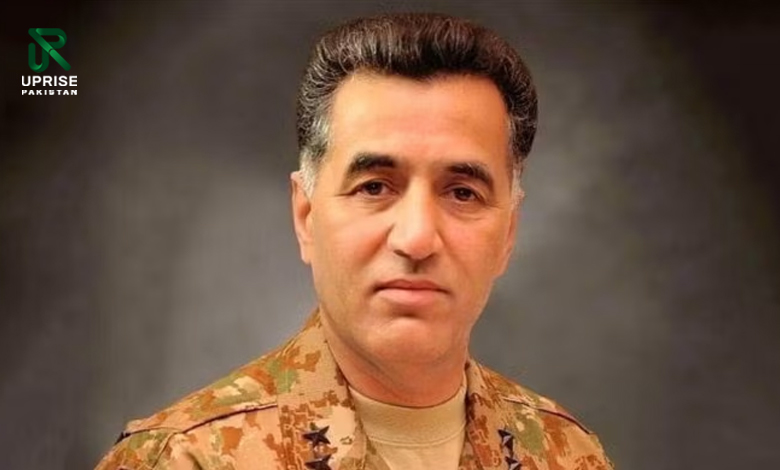
Pakistan’s power circles are buzzing again. A military court has sentenced Lt. Gen. (Retd) Faiz Hameed to 14 years. He once led Pakistan’s spy agency, the ISI. Now, he faces jail after a 15-month court-martial. The case involves charges related to politics, secrecy, and the misuse of power. It is rare, serious, and deeply political. Consequently, many wonder what this means for the army, parties, and the courts.
Key Highlights
- Military court hands Faiz Hameed a 14-year sentence.
- Charges include political activity and breaches of the Official Secrets Act.
- The trial reportedly ran about 15 months under Army law.
- The ISPR confirms the verdict and states that due process was followed.
- Analysts call it a landmark move in civil-military dynamics.
Who Is Faiz Hameed?
Faiz Hameed served as ISI chief from 2019 to 2021. He was seen as influential in politics and security. He later retired as a three-star general in 2022. His name appeared in several high-stakes episodes. Therefore, his court-martial drew instant attention at home and abroad.
Why Was He Court-Martialed?
According to the military’s statements and major outlets, the charges cover four areas. They include political activity, misuse of authority, misuse of state resources, and violations of the Official Secrets Act. Officials say the case is also linked to earlier investigations into the abuse of power. Hameed can appeal under military law.
| Date | Event |
| 2019–2021 | Serves as Director-General of ISI |
| Aug 2024 | Taken into military custody; court-martial process begins |
| Dec 2024 | Reports of formal indictments under the Army Act |
| Dec 2025 | The military court sentences him to 14 years |
What Does A Court Martial Mean In Pakistan?
A court-martial is a military trial under the Pakistan Army Act. It can try serving and, in defined cases, retired officers. The panels examine evidence, witness statements, and records. Punishments can range from censure to prison. Because the army holds great influence, such trials are rare—and heavily watched.
How This Shifts Military Politics
First, the verdict signals tighter control at the top. Current leadership has promised an “apolitical” army. This ruling backs that message with force. It warns officers, serving or retired, to stay away from power games. Second, it affects party narratives. Allies of former Prime Minister Imran Khan will see bias. Rivals will see long-delayed accountability. Thus, the ruling will feed both sides’ talking points.
Civil–Military Balance
Pakistan’s system often turns on the army’s stance. This case may reset some internal rules. It could reduce behind-the-scenes engineering in civilian politics. Alternatively, it could deepen mistrust if the proceedings remain too opaque. Transparency will shape public trust. So will any appeal and any related cases that follow.
What The Charges Tell Us
The Official Secrets Act charge signals deep concern over sensitive information. The political activity charge points to non-professional conduct lines. Misuse of authority and resources speaks to the intersection of ethics and power. Together, they show the military’s current red lines. Crossing those lines now comes at a real cost, even for a former ISI chief.
Public And Political Reaction
The public is split, and the debate is loud. Some call this a necessary step for discipline. Others see selective justice and score-settling. Meanwhile, legal experts are calling for greater transparency. Clear documents and open summaries would help build trust. Until then, social media will fill gaps, often with rumors.
- Was he found guilty on all counts?
Reports say he was convicted on four charges. - How long was the trial?
Around 15 months, according to major outlets. - Can he appeal?
Yes. Military law allows appeal routes. - Why is this historic?
It is a rare sentence for a former ISI chief.
What It Could Mean Next
For the army, this builds a case for an “apolitical” course. For politicians, it changes calculations about allies in uniform. For courts and media, it raises the bar on evidence and clarity. For the public, it is a test of fairness, not just force. In short, the verdict may narrow the room for quiet deals.
“We will keep the army apolitical.” — message implied by the ruling, as read by many analysts.
“All legal steps were followed, and defense was allowed,” the military said.
Conclusion
Faiz Hameed’s court-martial is a watershed moment. It touches power, secrecy, and the army’s role in politics. The sentence is long. The message is longer. Pakistan’s military politics may be entering a new phase—stricter lines, harder rules, and fewer quiet favors. How far this shift goes will depend on appeals, transparency, and the will to apply rules evenly. For now, the case remains a stark reminder in a turbulent era.


