
Falcons On Planes? This Is The Country That Gives Them Visas

Long before skyscrapers and oil wealth, Bedouin tribes in the Arabian Peninsula relied on falcons for survival. These majestic birds were trained to hunt in the harsh desert environment, providing food and sustenance. Over centuries, falconry evolved from a necessity into a cultural art form, deeply woven into the identity of the region. In the UAE, falcons are revered as symbols of courage, nobility, and agility. (Image: Instagram)
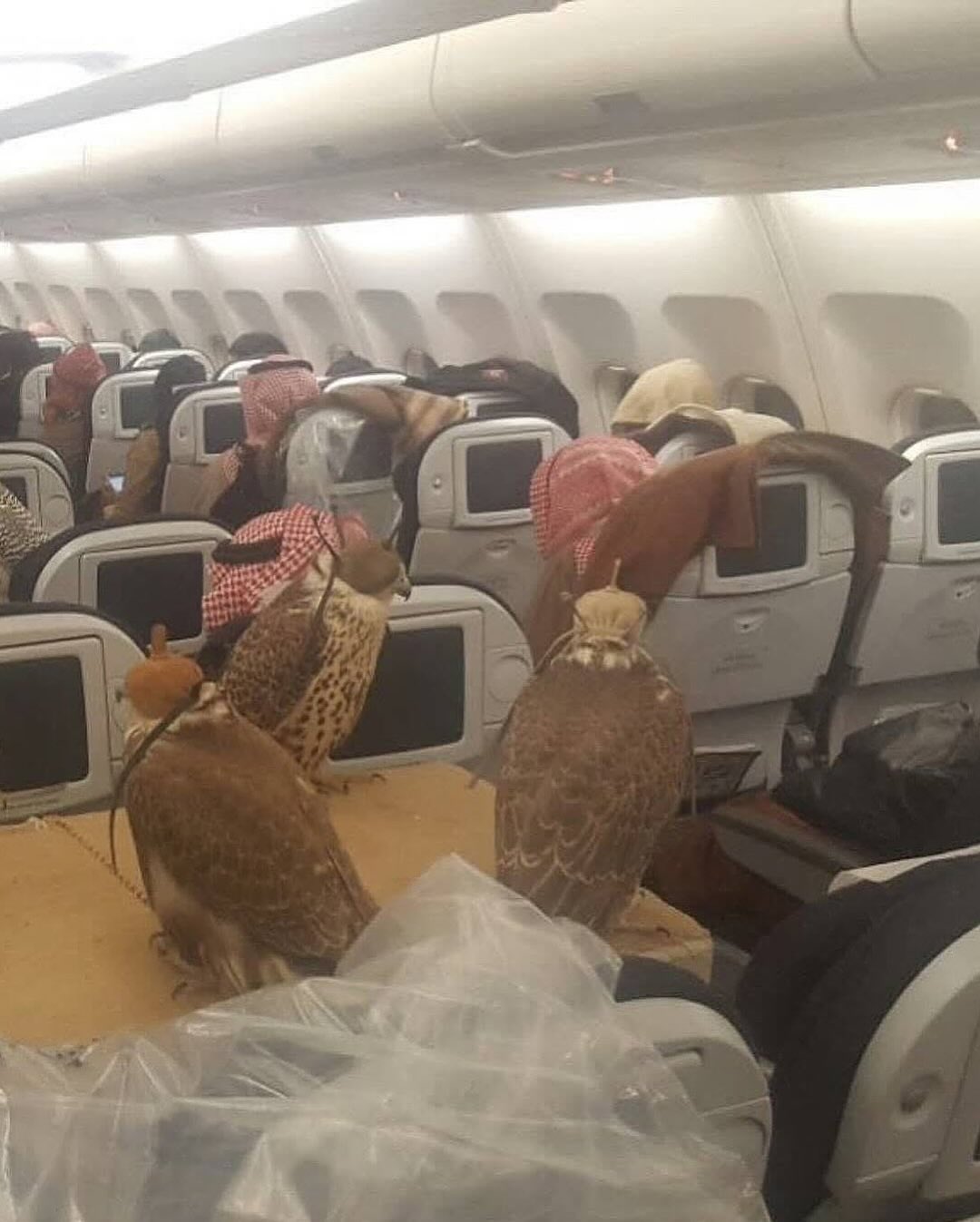
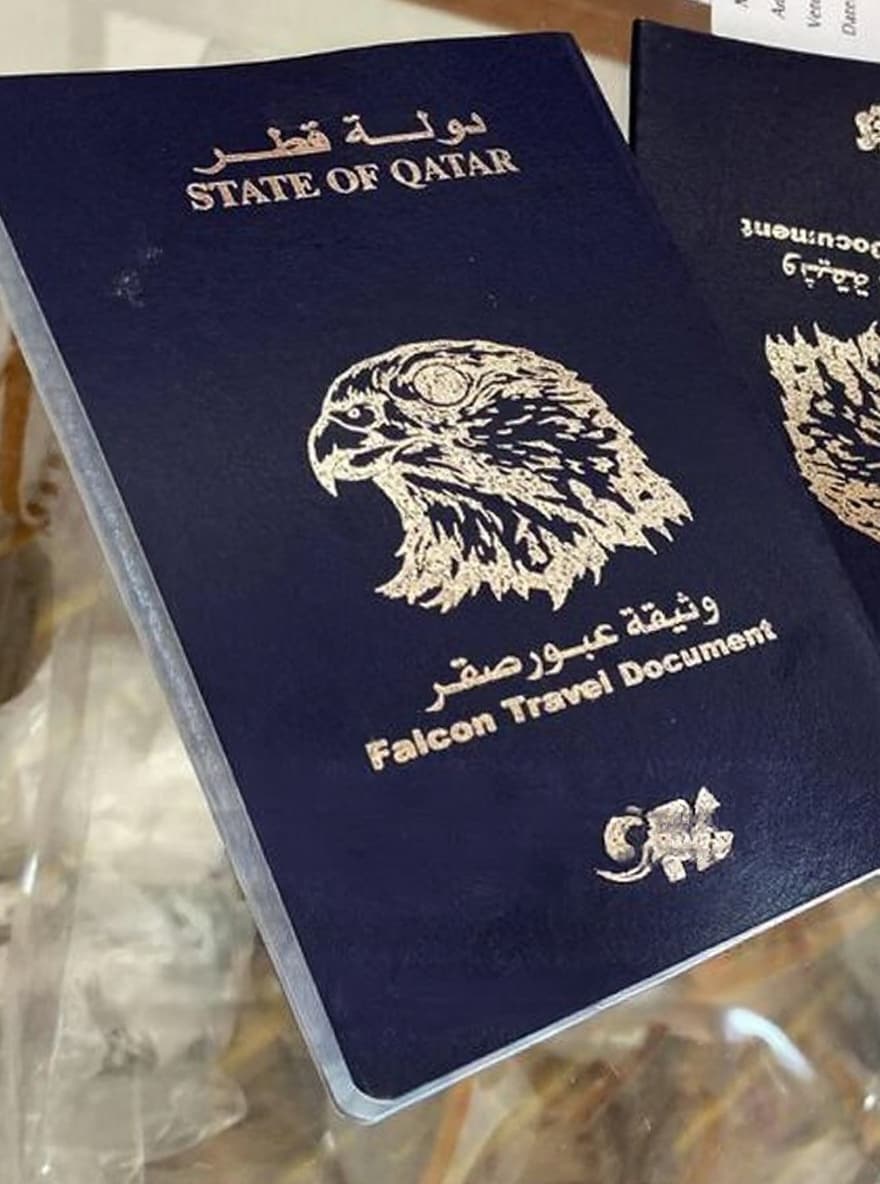
In a move that surprises many outsiders, the UAE issues official passports to falcons. These documents are not ceremonial; they are recognized by immigration authorities and allow falcons to travel internationally. Each passport includes details such as the bird’s species, age, and ownership, ensuring that these prized creatures can cross borders legally and safely. It’s a striking example of how tradition meets modern bureaucracy. (Image: Instagram)
Falcons don’t just get passports; they also fly in style. Airlines in the Middle East, including Etihad and Qatar Airways, allow falcons to travel in the cabin. Each bird is given its own seat, complete with a ticket, and must wear a hood during the flight to remain calm. Imagine boarding a plane and finding a falcon perched next to you, it’s a surreal yet common sight in this part of the world. (Image: Instagram)
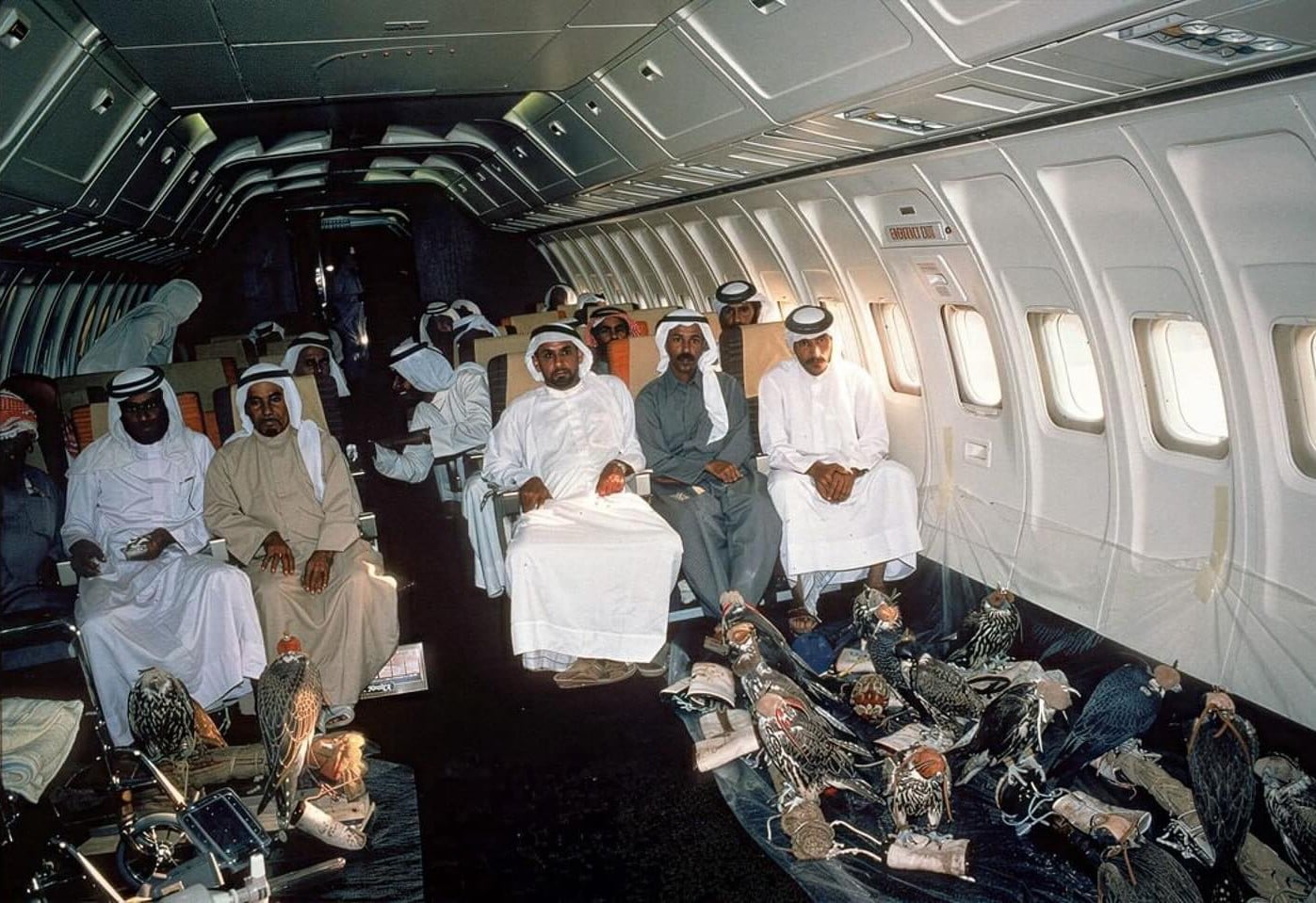
The issuance of visas and passports is not just about prestige. It’s also about conservation and regulation. Falconry is a highly regulated practice, and international travel requires strict compliance with wildlife laws. By giving falcons passports, the UAE ensures that these birds are protected from illegal trade and smuggling. It also helps track their movements, vaccinations, and health records, making the system both practical and symbolic. (Image: Instagram)
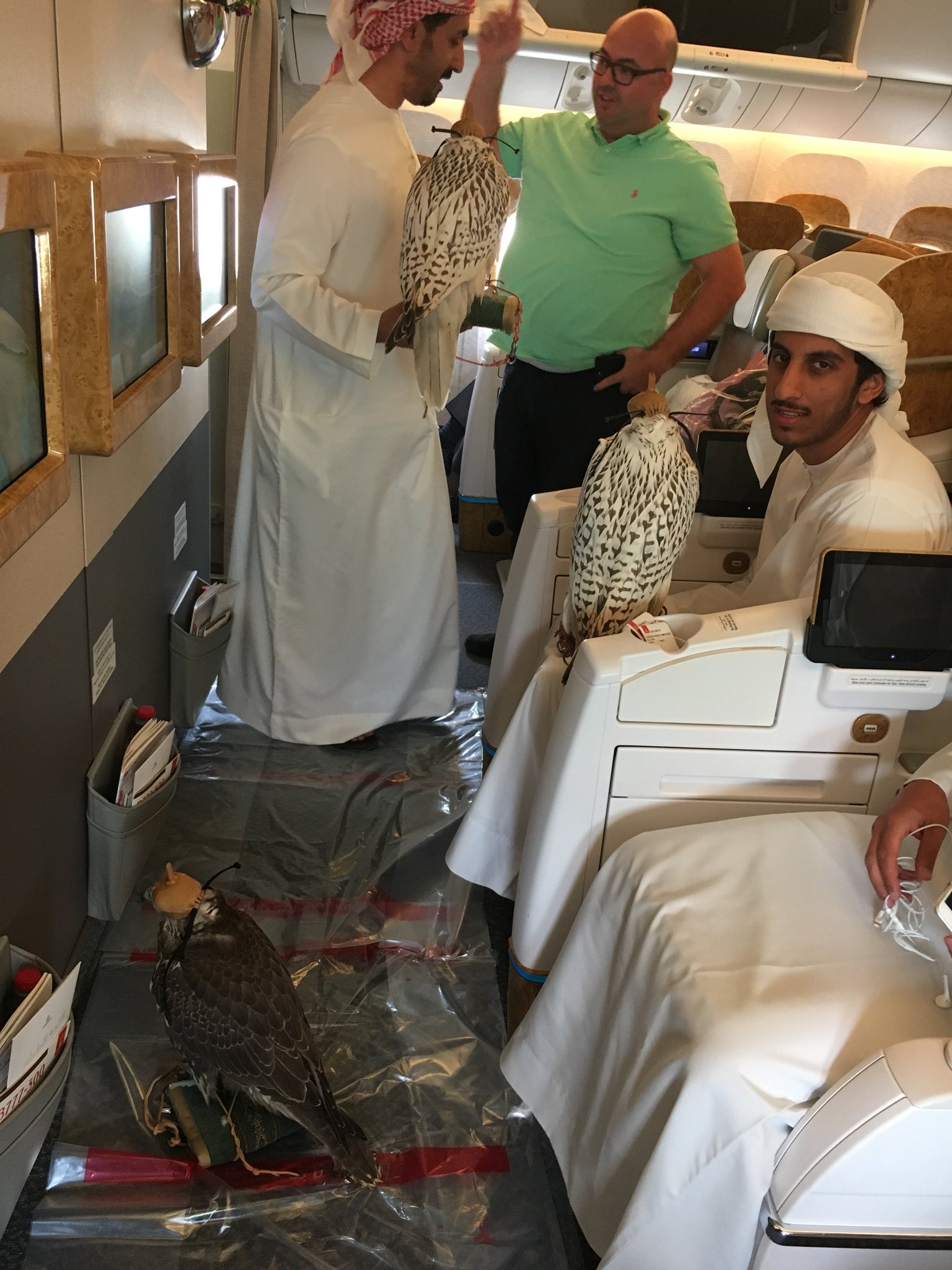
In Emirati culture, owning a falcon is considered a mark of honour. Wealthy families often invest heavily in training and caring for these birds, sometimes spending tens of thousands of dollars. The passport system elevates this status further, making falcons not just pets but recognized citizens of sorts. Their ability to travel internationally underscores their importance in the social fabric of the UAE. (Image: X)
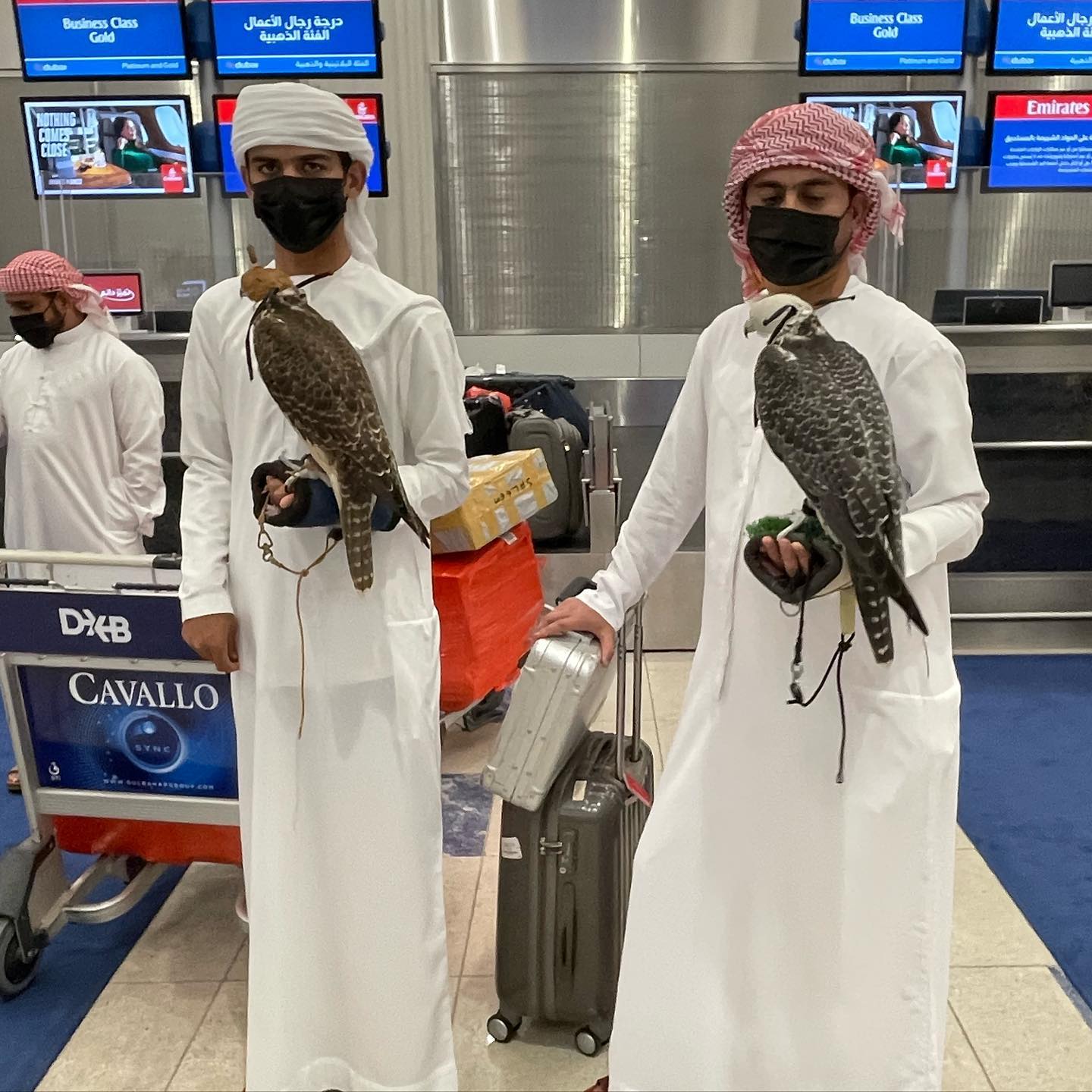
The sight of falcons traveling with passports has captured global attention. Tourists and travelers often share photos of falcons calmly seated on planes, sparking curiosity and admiration. This unique practice has become a talking point worldwide, highlighting the UAE’s blend of tradition and modernity. It’s not just about birds; it’s about showcasing how cultural heritage can adapt to contemporary systems. (Image: Instagram)
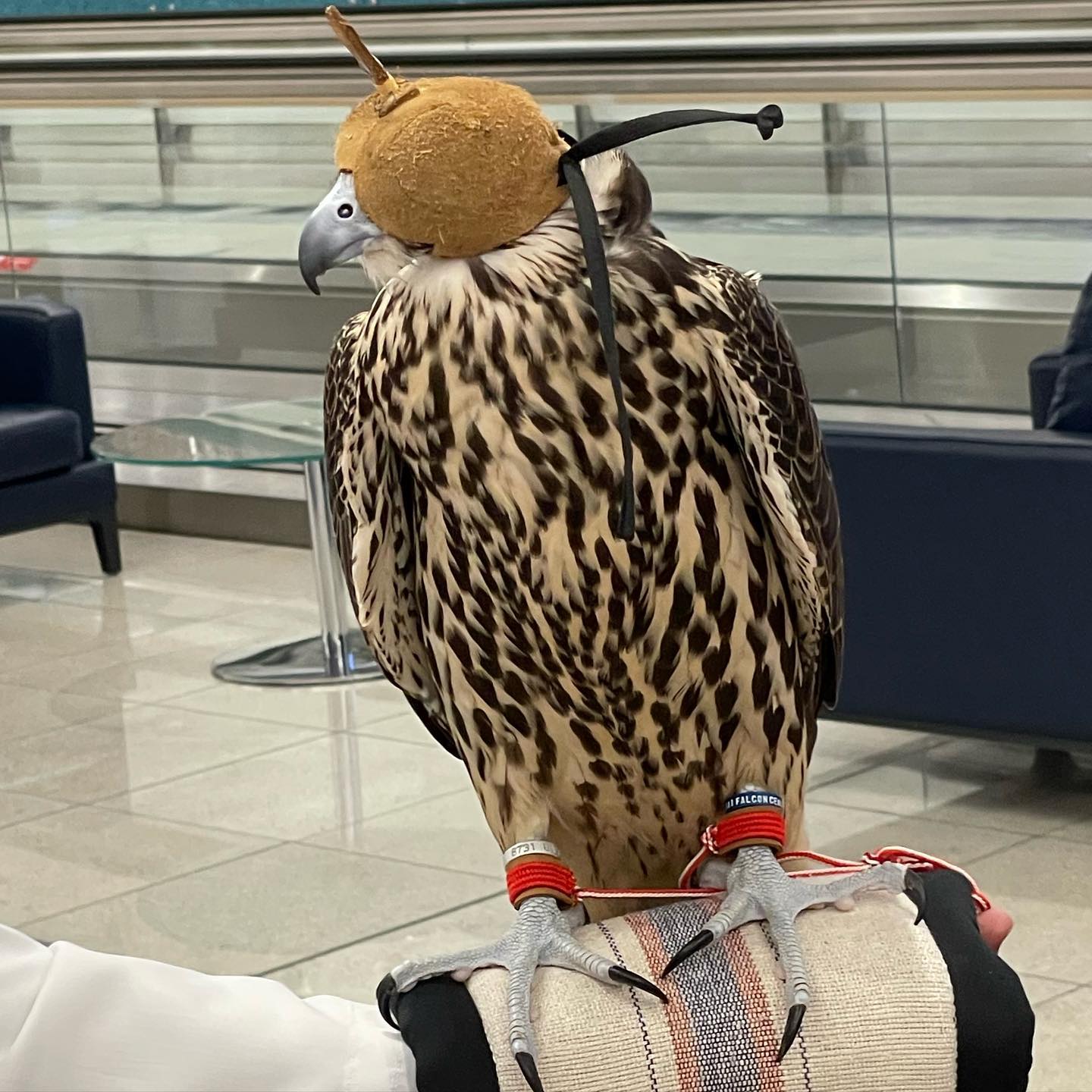
Falcons from the UAE often travel to countries like Pakistan, Morocco, and Central Asian nations for hunting expeditions and competitions. Their passports and visas make these journeys possible, ensuring smooth entry and exit across borders. In many ways, falcons are ambassadors of Emirati culture, carrying centuries-old traditions into international arenas. (Image: Instagram)
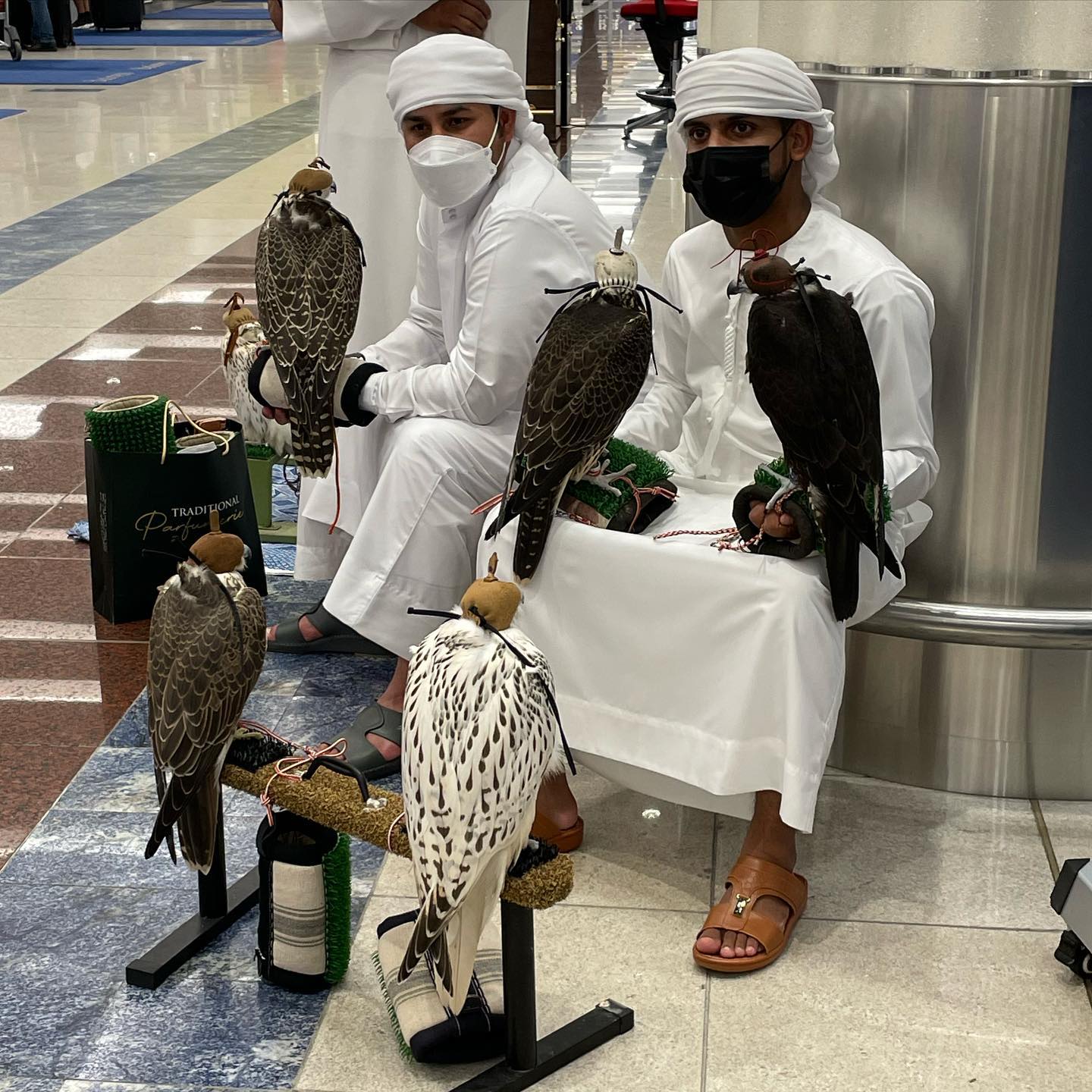
Issuing visas to falcons may sound unusual, but it reflects a broader philosophy: respect for heritage and nature. The UAE has invested in falcon hospitals, breeding centers, and conservation programmes, ensuring that falconry remains sustainable. The passport system is part of this effort, combining cultural reverence with modern regulation. (Image: Instagram)
Source link


