
Pakistan’s Sugar Exports to Afghanistan Skyrocket Over 4,300%, Raising Domestic Supply Concerns
Pakistan’s Sugar Exports to Afghanistan Surge Over 4,300% Amid Rising Domestic Prices
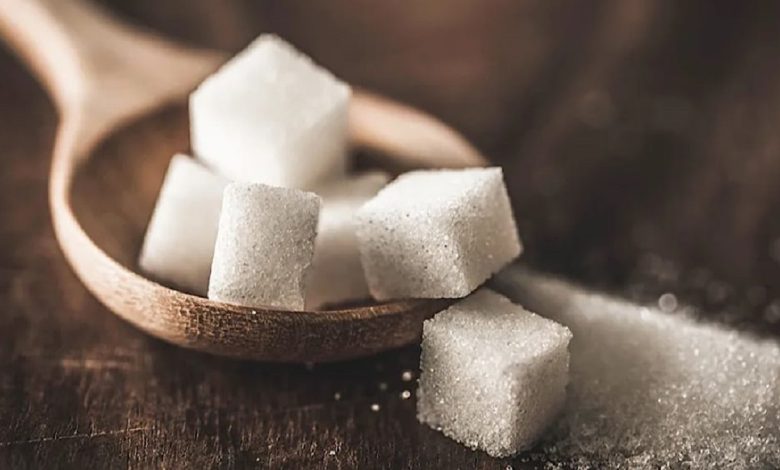
Sugar Exports – A Historic Increase
Pakistan’s sugar exports to Afghanistan have witnessed an unprecedented surge, rising by an astonishing 4,332% in the first seven months of the current fiscal year. From July 2024 to January 2025, sugar exports to Afghanistan reached $262.7 million, a staggering increase from just $5.9 million during the same period last year. This sharp rise in trade has drawn attention from both economic analysts and local consumers, sparking discussions on its impact on domestic prices.
How Did Sugar Exports Increase So Rapidly?
The surge in its exports can largely be attributed to the government’s decision to permit large-scale sugar exports in mid-2024. This move was aimed at boosting trade and earning valuable foreign exchange, capitalizing on the demand for sugar in neighboring Afghanistan. Additionally, Pakistan’s strong production capacity and competitive pricing made it an attractive supplier for Afghan importers, leading to this dramatic increase in exports.
Another key factor driving the export boom is the unstable situation in Afghanistan, which has led to disruptions in its own sugar production and supply chain. As a result, Afghan traders have turned to Pakistan to meet their growing demand, creating a lucrative opportunity for local exporters.
Rising Domestic Prices and Public Concerns
While the increase in sugar exports is generating foreign revenue for Pakistan, it has also raised serious concerns about its impact on domestic consumers. Over the past ten weeks, its prices in Pakistan have surged by Rs21.26 per kg, bringing the average retail price to Rs153.11 per kg. This sharp rise has placed a financial burden on ordinary citizens, particularly those from lower-income households who rely on it as a staple item in their daily diets.
Many economists argue that the massive outflow of sugar through exports is contributing to the rising prices within Pakistan. With large quantities being shipped out, the available supply for local consumption has dwindled, creating a demand-supply imbalance that is driving up costs. If this trend continues, it could become even more expensive in the coming months, affecting millions of consumers across the country.
Can Pakistan Meet Both Export Demand and Domestic Needs?
The government now faces a major challenge: balancing the benefits of sugar exports with the need to ensure affordable prices for its own population. While the foreign exchange earnings from sugar exports are valuable, they must not come at the cost of making it unaffordable for local consumers.
Experts suggest that Pakistan needs a well-regulated export policy that prevents excessive outflows of essential commodities while still allowing the country to benefit from trade. One potential solution could be introducing export caps, ensuring that only surplus sugar is exported while maintaining adequate reserves for domestic consumption.
Additionally, improved monitoring of sugar mills and distributors is necessary to prevent hoarding and artificial price hikes. In previous years, Pakistan has faced sugar shortages due to stockpiling by major suppliers who manipulate prices to maximize profits. Strict government oversight could help prevent such issues and ensure that local markets remain stable.
Economic Benefits vs. Consumer Burden
The sharp rise in sugar exports has undoubtedly boosted Pakistan’s trade figures, bringing in much-needed foreign exchange. However, this economic gain must be weighed against the financial burden being placed on ordinary citizens. Rising sugar prices affect not only direct consumers but also industries that rely on it, such as confectionery businesses, bakeries, and beverage manufacturers. If its prices continue to rise, the cost of many everyday food items could increase, further fueling inflation.
To maintain a balance, policymakers need to evaluate the long-term implications of prioritizing exports over local demand. Some experts recommend a phased approach where the government periodically reviews its stock levels before approving further exports. This strategy could prevent sudden price hikes and ensure a steady supply for both domestic and international markets.
The Future of Pakistan’s Sugar Trade
Looking ahead, Pakistan’s sugar industry is at a crucial turning point. If managed wisely, its exports can serve as a key driver of economic growth while maintaining affordability for local consumers. However, without careful regulation, excessive exports could lead to severe shortages and price hikes, causing hardship for millions of Pakistanis.
The government may need to implement stricter policies to balance exports with local supply, possibly setting up an independent monitoring body to assess its availability before approving new export deals. In addition, investing in better storage and supply chain infrastructure could help stabilize the market, ensuring that price fluctuations are kept in check.
For now, Pakistan’s sugar exports to Afghanistan remain at an all-time high, but the pressure is mounting on policymakers to ensure that trade profits do not come at the expense of domestic affordability. The coming months will be critical in determining whether Pakistan can maintain its strong export performance while keeping sugar accessible and affordable for its own people.


