
How Global Media Covered Trump’s First Address On Iran War
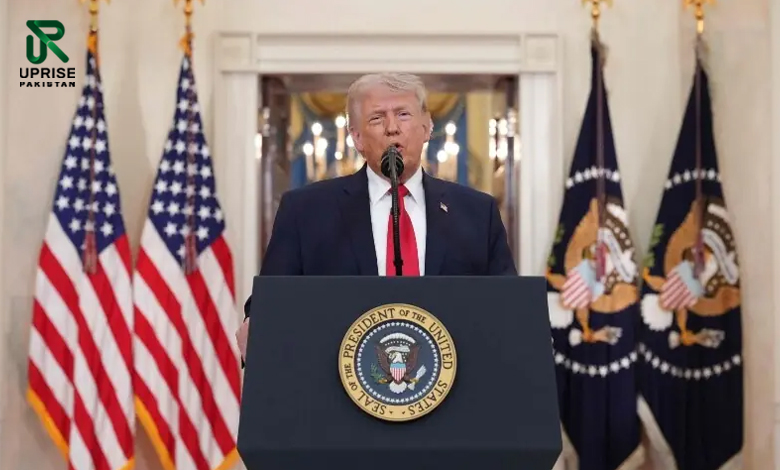
On April 1, 2026, President Donald Trump spoke in prime time about the Iran war. Many Americans waited for clear answers. They wanted a plan and a timeline. Trump spoke for about 19 minutes from the White House. He said the U.S. was “getting very close” to finishing the job. Still, he also promised more bombing for two to three weeks. Soon, newsrooms around the world reacted. Some focused on what he left out. Others focused on oil, prices, and fear. Here is how global media coverage framed Trump’s first address to Iran for many people.
Why One Speech Can Shake Global Markets
The Strait of Hormuz sits at the center of the energy story. In 2024, oil flow there averaged about 20 million barrels a day. That equals about 20% of global petroleum liquids use. So, when the war threatens shipping, prices can jump fast.
CNN: Big Doubts, Few Answers
CNN’s Stephen Collinson said Trump did not “lay out a clear exit strategy.” He wrote that the speech may not calm worried Americans. He also warned that investors stayed nervous during the energy crunch.
Next, Collinson flagged gaps in Iran’s leadership and nuclear claims. He argued the speech left key risks “open to doubt.”
The Washington Post: Cost-Of-Living Takes The Lead
The Washington Post focused on fuel costs and voter nerves. Trump called higher fuel prices “short-term.” However, the paper said he did not show a plan to ease fears. Then, it noted that Trump tried to restate one main goal. He said he would never allow Iran to get a nuclear weapon. The Post framed that as an effort to fix mixed messages.
BBC
BBC coverage leaned on tone and repetition. It said Trump made “usual threats” against Iran. It also said the speech sounded like his Truth Social posts. “Copy and paste” became the key idea. Because of that, the BBC made the moment feel less historic. It felt more like another update.
Associated Press: A Push To Sell The War
AP said the Iran war is becoming a signature part of Trump’s second term. It called the speech a capstone to a day of power. Yet, AP stressed what was missing. It said Trump did not repeat claims of active talks. Also, AP noted shifting reasons for the war, with a few new explanations.
The New York Times And Al Jazeera: No “New” News
Dawn’s roundup said The New York Times saw a similar problem. Trump predicted the war could end “within three weeks.” However, it said he did not map a clear path out. Meanwhile, Al Jazeera said many expected a major announcement. Instead, it said Trump repeated lines heard for weeks. That framing matched a wider feeling of letdown.
| Outlet | Main angle | Big missing piece |
| CNN | doubt and risk | clear exit strategy |
| Washington Post | pocketbook pain | plan for fuel costs |
| BBC | tone and repeats | fresh details |
| AP | politics and trust | stable goals and reasons |
| New York Times | end game | clear path out |
| Al Jazeera | expectations | a real announcement |
The Oil Factor: Why The Strait Of Hormuz Drove Fear
Energy risk sat under nearly every headline. The Strait of Hormuz matters because so much oil moves there. In 2024, flows averaged about 20 million barrels per day. That equals about 20% of global petroleum liquids use. So, when the route looks unsafe, markets react fast. Also, Reuters reported the speech pushed fears higher in fuel markets. It warned gasoline could rise sharply if the strait stays blocked. Meanwhile, AP linked the war to oil spikes and market swings. Therefore, many editors treated the speech as an economic event, too.
A War With No Clear Endgame
Trump’s first Iran war address aimed to project control and speed. Still, global media framed it as familiar and short on detail. Many outlets said it sounded like social posts. Others warned about oil and rising costs. With Hormuz still central, the world will watch fuel prices and diplomacy next. The main question remains unclear. How does the Iran war end, and what will it cost?


