
How Pakistan’s Quiet Diplomacy Drives US-Iran Ceasefire Breakthrough
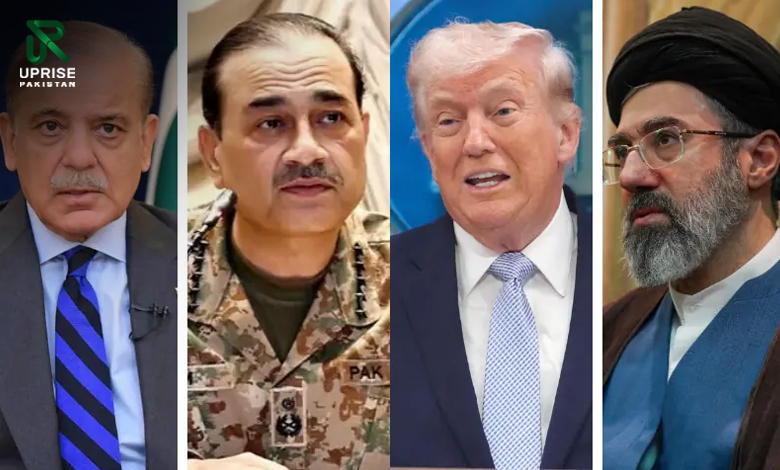
A sudden US-Iran ceasefire did not happen by luck. Instead, it followed weeks of quiet work by Pakistan. While bombs flew, Islamabad kept phone lines open. It spoke to Washington and Tehran when they would not talk directly. Then, on April 8, 2026, leaders confirmed a two-week truce. Pakistan also offered to host the next talks in Islamabad. The deal links calm on the ground to safer shipping in the Strait of Hormuz. For many families, that pause means fewer sirens and fewer funerals. For the world, it means steadier fuel prices.
Why Leaders Pushed For A Ceasefire
This war spread fast across the region. So, the cost rose in lives and in broken cities. Gulf News reports over 5,000 deaths across nearly a dozen countries. It also cites over 1,600 civilian deaths inside Iran.
Meanwhile, the world watched the Strait of Hormuz closely. That waterway carries a major share of global oil shipments. So, any closure can shake markets and raise costs. Reuters says the truce is tied directly to reopening the strait.
Also, leaders feared one more strike could trigger a wider war. As a result, diplomats pushed harder for a pause. Reuters notes that many governments urged de-escalation right after the truce news.
Pakistan’s Two-Track Diplomacy That Worked
Pakistan used a simple plan: stay calm in public, talk hard in private. Gulf News says Islamabad acted within days of the first strikes on February 28. Then, it activated contacts across key capitals. Pakistan also holds a rare role. It represents Iranian interests in Washington, according to Gulf News. So, it can pass messages when others cannot.
At the same time, Pakistan kept its trust in the United States. That balance mattered. In fact, both civilian and military leaders joined the push. Gulf News reports calls involving Prime Minister Shehbaz Sharif and army chief Asim Munir. Reuters also reports that Trump discussed the pause after talks with Pakistan’s leadership.
How Hormuz Shaped The Ceasefire Terms
The Strait of Hormuz became the loudest clock in the room. If shipping stops, fuel costs jump. Then, food and transport costs often rise too. So, Pakistan framed the ceasefire around the Strait. Gulf News says Pakistan’s proposal included steps on key maritime routes. It also says the final deal linked the truce to reopening Hormuz.
Reuters matches that point and describes the truce as conditional on reopening the strait.
Also, Pakistan had its own reasons to act fast. Gulf News notes Pakistan relies heavily on energy imports that pass through Hormuz. Therefore, a longer disruption could hit its economy hard.
| Date (2026) | What happened | Why it mattered |
| February 28 | War began with early strikes, per Gulf News. | It created urgency for a channel to talk. |
| Late March | Pakistan hosted a foreign ministers’ meeting, per Gulf News. | It built a regional base for de-escalation. |
| Early April | Pakistan finalized a ceasefire proposal, per Gulf News. | It offered a clear path: pause first, then talk. |
| Apr 7–8 | Trump announced a two-week pause, per Reuters. | It stopped a wider strike cycle. |
| April 10 | Islamabad talks planned, per Gulf News. | It tests if a pause can become a deal. |
How China, Turkey, And Gulf Allies Helped
Pakistan did not work alone. Instead, it built a “many-hands” effort. Gulf News highlights support from China and regional partners like Saudi Arabia and Turkey. Also, Reuters reports Turkish intelligence helped keep channels open. It says Turkey relayed messages and reduced misunderstandings. Meanwhile, world leaders pushed for calm after the truce.
Reuters reports comments from the UN and the IAEA chief backing diplomacy. So, Pakistan’s role fits a wider pattern: small steps, many messengers, and fewer public demands.
What Must The Islamabad Peace Talks Solve Next?
A two-week US-Iran ceasefire can break fast. So, the talks need clear answers quickly. Gulf News warns that key issues remain unsettled. It also notes disputes about whether the truce covers places like Lebanon. AP also reports that terms still look unclear in public.
To move from pause to peace, negotiators must tackle:
- Rules for the Strait of Hormuz reopening, including safe passage and enforcement.
- A hotline system, so field commanders get updates fast.
- Limits on allied actions, so one partner does not break the truce.
- A step-by-step talk plan, so neither side feels trapped.
Also, trust needs proof. That proof often looks boring. It can mean inspections, logs, and verified pauses. Still, boring can save lives.
What Comes After The Silence
Pakistan’s quiet diplomacy shows how back-channel diplomacy can stop a spiral. It also shows how geography shapes peace. When the Strait of Hormuz shakes, the world listens. Yet this moment still feels fragile. So, the Islamabad peace talks must turn a short ceasefire into a longer plan. If they succeed, families may finally breathe again. If they fail, the region could slide back into fire.


