
If Iran Shuts The Strait Of Hormuz, Who Loses And How Fast?
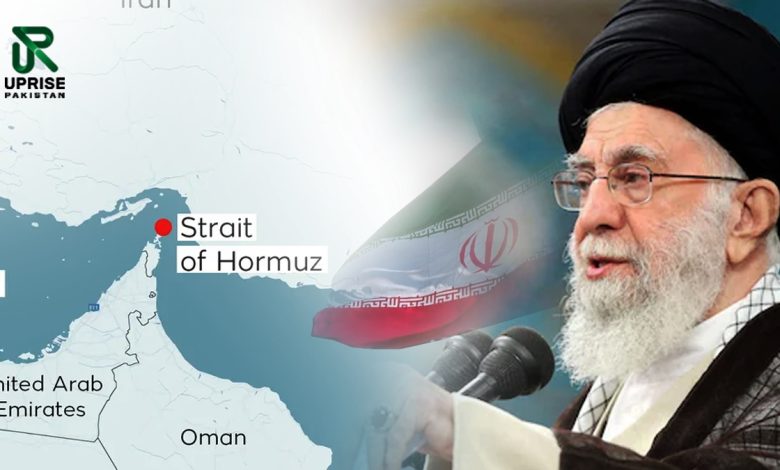
The Strait of Hormuz is only 33 kilometers wide at its tightest point, yet it feeds the world. Every day, about 20 million barrels of crude and 10 billion cubic feet of liquefied gas sail through this narrow pass. Now, after U.S. air strikes on Iranian nuclear sites and Israel’s raids across Tehran, Iran hints it may slam that gate shut. People in Houston, Hamburg, and Hanoi would all feel the shock. Energy costs would climb, grocery bills would jump, and distant families would face cold homes next winter. While war planners track missiles and mines, parents track rising prices. So, who loses first, and how fast does the pain spread?
A Narrow Chokepoint with Global Reach
Most supertankers follow two slim, three-kilometer lanes through Hormuz. Because the lanes are short, they are easy targets. Iran owns fast boats, submarines, and thousands of sea mines. During the 1980s Tanker War, Tehran proved it could harass ships without warning. Today’s shipping data show Hormuz moves nearly 30 percent of all sea-borne oil (EIA, 2025). Yet crews still sail because no good detour exists. Pipelines in Saudi Arabia and the U.A.E. can shift only 2.6 million barrels daily, leaving more than 18 million barrels trapped. Therefore, when Iran talks about closure, traders listen. History shows even rumors lift prices within hours.
First Casualty: Energy Prices
Oil markets react fast, and fear moves them faster. During Russia’s 2022 invasion of Ukraine, prices touched $130 a barrel before drifting lower. Hormuz carries triple the volume of Russian ships by sea. If Hormuz closed, Goldman Sachs warns crude could top $100 again within days. Gas markets might spike sooner; Qatar sends all its LNG through the pass. Tanker insurance would soar, and many firms would halt voyages.
| Scenario | Time to Price Spike | Likely Brent Price* |
| Rumor of closure | Hours | $95 |
| Limited harassment | 24 hours | $105 |
| Full blockade | 3 days | $120+ |
*Estimates based on EIA and Xeneta freight data, June 2025.
Because refineries hold only weeks of stock, drivers would meet higher pump prices by the next payday.
Big Oil Buyers Feel the Heat
Asia buys roughly 70 percent of Hormuz crude. China, India, Japan, and South Korea import more than 13 million barrels daily from the Gulf. Once flows stop, these states must bid for Atlantic barrels. Freight costs rise, and smaller nations get priced out. As ships queue, Asian stock markets slide. Meanwhile, U.S. shale can lift some output, but it is not enough to calm traders simultaneously. Even America loses: Gulf Coast refineries depend on heavy grades from Kuwait and Iraq to balance lighter local crude. Thus, buyers everywhere pay more, even if their tanker never passed Hormuz.
Gulf Allies Caught in the Middle
Gulf monarchies are sworn foes of Iran yet rely on that same waterway.
- Saudi Arabia uses east-west pipelines, but only for a slice of exports.
- The United Arab Emirates ships nearly all Murban crude by sea.
- Kuwait, Bahrain, and Qatar lack large pipelines beyond Hormuz.
A long stoppage would gut state spending because royalty budgets hinge on oil revenue. At the same time, joining a U.S.-led naval push risks direct war on their soil. Therefore, regional leaders dread both action and inaction. As one Gulf diplomat told Reuters, “We either bleed money or lives.” That grim choice shapes every late-night call in Riyadh and Abu Dhabi.
China’s Dilemma and Dependence
Beijing buys almost 90 percent of Iran’s oil exports and over 40 percent of Saudi supply. Closing Hormuz would squeeze China hardest. U.S. officials know this and urge China to put pressure on Tehran. Yet China also fears U.S. fleets near its trade lanes. Should war erupt, Chinese factories may ration power, slowing the output of phones, clothes, and solar panels. Global supply chains, already weak since the pandemic, would crack again. Shoppers everywhere would feel shortages within weeks. Hence, China loses fuel and trust in stable trade while seeking a bigger role in Gulf security.
Western Navies Face Fast Decisions
The U.S. Fifth Fleet in Bahrain trains for mine-clearing and escort duty, but clearing a dense field takes time. In 1991, two U.S. ships hit Iraqi mines even with full air cover. British, French, and Australian ships may join, yet coordination under fire is tough. While navies sweep lanes, Iran can launch drones from shore. Every hour of delay pushes prices higher. Washington also weighs escalation risk. If strikes on Iranian batteries expand, Tehran might hit U.S. bases in Qatar or Kuwait. Thus, admirals must choose between swift force and careful steps, knowing each path carries new grief.
Markets Panic, Inflation Bites
Inflation feeds on energy costs. When oil jumps 10 percent, airfares and food prices follow within a month. Central banks then delay rate cuts, which keeps loans pricey. Families with thin budgets feel the blow first. Moreover, freight firm Xeneta notes spot container rates have already risen 55 percent in May and June. If Hormuz closes, rates could double, adding cost to every imported shirt, toy, or drug. Poor countries that subsidize fuel face budget gaps. Some may ration power, as Sri Lanka did in 2022. Meanwhile, stock markets dive as investors flee to gold and U.S. treasuries.
How Fast Could the Crisis End?
History offers clues. In 2019, Houthi drones cut Saudi output by 5.7 million barrels, yet markets calmed in two weeks after repairs. In 2003, pre-war oil spikes unwound once the invasion began. A Hormuz shutdown is bigger yet still finite. If U.S. and allied minesweepers clear a lane within ten days, flows may restart, though insurance will stay high. Iran also sells its oil; the long closure hurts Tehran’s cash. That fact limits how long leaders might hold the strait hostage. Still, each day of silence at sea echoes in empty wallets on land.
“It’s economic suicide for them if they do it,” U.S. Secretary of State Marco Rubio warned on Fox News on 23 June 2025.
His words carry a sober truth: Iran may bleed first, but families worldwide will bleed fast.
What Happens Next May Depend On A Single Decision
The Strait of Hormuz is small, yet its shadow covers the planet. If Iran shuts it, every nation loses—some in days, others in hours. Oil prices leap, trade stutters and warships crowd the Gulf. While experts debate tactics, the human story is simple: higher costs, lost jobs, and fresh sorrow. Because of one narrow gate, a local fight can hurt the global kitchen table. Policymakers must treat that risk with care, speed, and empathy. Lives, not just barrels, sail through Hormuz each dawn.


