
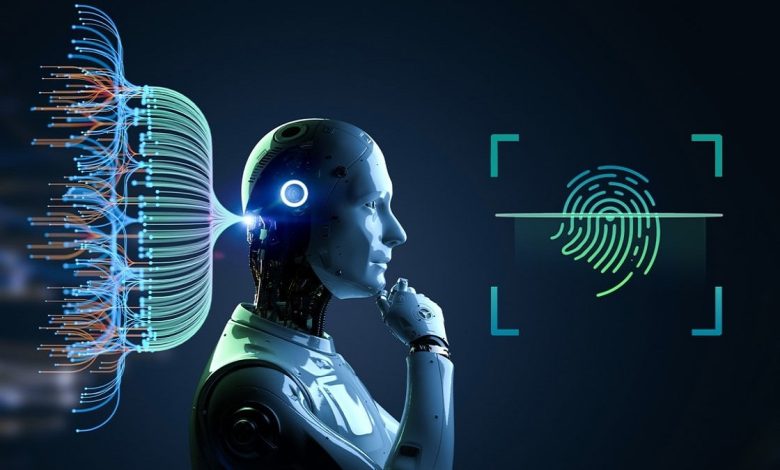
Artificial Intelligence (AI) is revolutionizing the way we interact with technology. Defined as the capability of a machine to imitate intelligent human behavior, AI is a branch of computer science that focuses on creating systems capable of performing tasks that typically require human intelligence. These tasks include learning, reasoning, problem-solving, perception, and language understanding.
The Evolution of AI
The journey of AI began in the mid-20th century. Early pioneers like Alan Turing and John McCarthy laid the groundwork for what would become a rapidly evolving field. Turing proposed the idea of a machine that could simulate any human intelligence task, famously known as the Turing Test. McCarthy, on the other hand, coined the term “Artificial Intelligence” in 1956, marking the beginning of AI as a distinct field of study.
Types of Artificial Intelligence
Artificial Intelligence can be broadly categorized into two types: Narrow AI and General AI. Narrow AI, also known as weak AI, is designed to perform a narrow task such as facial recognition or internet searches. General AI, or strong AI, is an AI system with generalized human cognitive abilities, capable of performing any intellectual task that a human can do. While Narrow AI is widely used today, General AI remains a concept largely explored in theoretical research.
Applications of AI in Daily Life
AI has permeated various aspects of our daily lives. In healthcare, AI algorithms are used to analyze medical images, predict patient outcomes, and personalize treatment plans. In the automotive industry, AI drives the development of self-driving cars, enhancing road safety and reducing traffic congestion. AI also powers virtual assistants like Siri and Alexa, making everyday tasks like setting reminders and searching the web more convenient.
The Role of Machine Learning
A significant subset of AI is Machine Learning (ML), where algorithms learn from data to make predictions or decisions without being explicitly programmed. ML is used in numerous applications, from recommendation systems on streaming services to fraud detection in banking. The ability of ML models to improve over time with more data is a key factor driving the rapid advancement of AI technologies.
Ethical Considerations in AI Development
As AI continues to grow, it brings forth various ethical considerations. Concerns about job displacement due to automation, privacy issues, and the potential for biased decision-making in AI systems are at the forefront of discussions among policymakers, researchers, and industry leaders. Ensuring that AI is developed and deployed responsibly is crucial to maximizing its benefits while minimizing its risks.
The Future of Artificial Intelligence
The future of artificial intelligence holds incredible promise and potential. Researchers are diligently working on advancements in General AI, striving to develop machines capable of thinking, learning, and adapting in ways that mirror human intelligence. These efforts could lead to groundbreaking innovations across various fields. For instance, in education, AI could personalize learning experiences, enhancing student outcomes and engagement. In environmental science, AI might offer new tools for monitoring and mitigating climate change, helping to protect our planet. In cybersecurity, AI advancements could significantly strengthen our defenses against cyber threats, ensuring the safety and privacy of digital information. As we continue to explore and refine AI technologies, the possibilities for transformative breakthroughs are vast and exciting, paving the way for a future we can scarcely imagine today.
Conclusion
Artificial Intelligence is a transformative technology that is reshaping our world. From its early conceptual stages to its current applications, AI has shown its potential to enhance efficiency, improve decision-making, and create new opportunities. In various industries, AI-driven innovations are leading to unprecedented advancements, revolutionizing how we approach complex problems. As we move forward, it is essential to address the ethical challenges associated with AI to ensure that its development benefits all of humanity. This includes considering issues of privacy, bias, and accountability to create a fair and just AI-driven future for everyone.


