
Iran Confronts Its Most Serious Internal Challenge In Decades
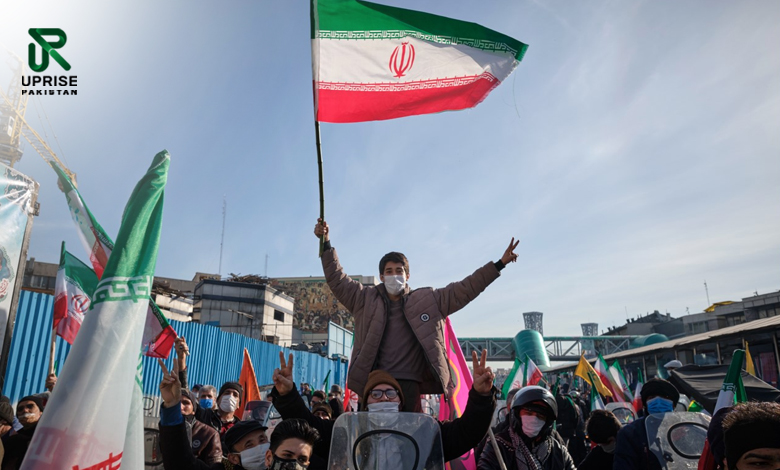
Iran stands at a turning point. Prices keep rising, and people are tired. As the currency slides, frustration grows. Protests have spread across cities and towns. Yet the state answers with force and control. This crisis now tests Iran’s system like few moments since 1979. Reuters reports hundreds killed and thousands detained in the latest unrest, which began in late December 2025.
Economic Pressures Squeeze Families
Prices rise fast, and paychecks cannot keep up. According to IMF data, Iran’s inflation ran above 40% in 2025. Trading Economics shows it at 49% in October 2025. As a result, groceries, rent, and medicine strain household budgets. Many workers took to the streets because savings vanished. Consequently, shopkeepers and students soon joined them.
The Human Cost
Reliable numbers remain hard to confirm during a blackout. Yet rights monitors and global media outline a grim picture. More than 500 people have died, and 10,600 have been arrested since late December 2025. Reuters reported those figures after reviewing rights-group data.
Additionally, Amnesty has documented lethal force, mass arrests, and injuries across the country since December 28, 2025. These reports describe unlawful shootings and abusive detentions. Consequently, fear and grief shadow many families. Schools, markets, and clinics feel that strain every day.
The Internet Blackout
Connectivity is not just a convenience. It is a lifeline. During this crisis, Iran imposed one of its most sweeping blackouts to date. Experts say it is precise, selective, and designed to mute the public while keeping state systems online. Therefore, citizens struggle to share videos, organize aid, or contact loved ones.
Meanwhile, several outlets reported days-long nationwide disruptions, cancelled flights, and stalled services. These shutdowns also hide abuses and delay help for the injured.
The International Response
Washington watches the crisis closely. On January 12, 2026, President Donald Trump said Iran signaled it was open to talks, while he weighed a “tough response.” Reports also note U.S. warnings against violent crackdowns. Iran’s leaders say talks must be based on “respect.” Thus, both sides talk about dialogue and pressure at once.
“We are seeing one of the largest internal challenges to Iran in years,” a regional editor told a U.S. network, pointing to “economic pain, harsh tactics, and a blackout that hides the full cost.”
Why This Moment Feels Different
Three factors make this surge stand out:
- Scale: Protests erupted in many provinces at once.
- Speed: The movement spread fast despite the blackout.
- Global stakes: The U.S. weighs options while Iran signals both defiance and dialogue.
Government Strategy
Officials assert control. They hold counter-rallies and promise decisive action. They broadcast funerals for fallen security personnel on state TV. Still, reports detail live fire, mass arrests, and forced confessions. As a result, trust is rapidly eroding.
| Aspect | 2025–2026 Protests | 2022 “Woman, Life, Freedom” |
| Main trigger | Soaring prices and economic pain | Death of Mahsa Amini |
| Tactics used by the state | Internet blackouts, live fire, mass arrests | Internet curbs, arrests, lethal force |
| Reported deaths | 500+ per HRANA (ongoing) | Hundreds, various estimates |
| Arrests | 10,600+ reported | Thousands reported |
| Role of the Internet | Days-long nationwide shutdowns | Repeated throttling and blocks |
How This Challenge Differs From Past Waves
Iran has seen protests before. However, this moment blends economic pain with political demands. It also comes after years of strict control and the 2022–2023 uprising. That movement, tied to women’s rights and personal freedoms, left a deep mark and a lasting global memory.
- Broader spread: Protests reach many provinces and cities, not just one region.
- Harsher digital limits: Authorities use selective shutdowns to slow coordination.
- Higher stakes: Officials warn of “red lines,” while families fear arrests and loss.
Conclusion
This moment is about people, prices, and power. On one side, families want fair costs, safety, and a voice. On the other hand, the state uses force and silence to hold control. Because the web is dark, facts move slowly. Yet credible reports still tell a clear story of harm.
As inflation bites and as rights groups raise alarms, trust erodes further. Meanwhile, global actors call for restraint and open channels. The stakes are high, not only for Iran but also for the region. In the end, lasting calm will require more than order. It will require dignity, accountability, and space for peaceful change.


