
Hamas chief Ismail Haniyeh assassinated in Tehran
Ismail Haniyeh's reported assassination in Tehran raises international concerns and inquiries into the circumstances surrounding his death.
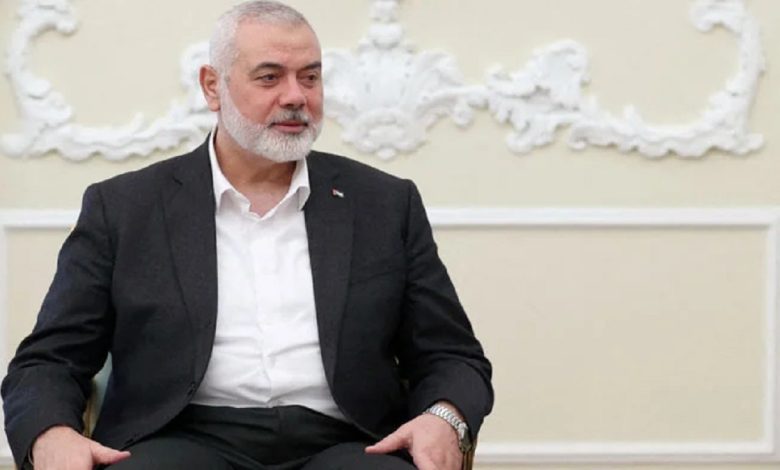
Hamas leader Ismail Haniyeh was assassinated in the early hours of the morning in Iran, a development the Palestinian resistance group Hamas described on Wednesday as a “severe escalation” that would not achieve its goals. The assassination has sent shockwaves through the international community and has been seen as a significant turning point in the ongoing conflict between Hamas and Israel.
IRGC Confirms Ismail Haniyeh’s Death
The Islamic Revolutionary Guard Corps (IRGC) of Iran confirmed Ismail Haniyeh’s death and stated that it is currently investigating the incident. “Early this morning, the residence of Ismail Haniyeh in Tehran was struck, resulting in his and one of his bodyguard’s martyrdom. The cause is under investigation and will be announced soon,” the Revolutionary Guards said. This statement came shortly after Haniyeh attended a swearing-in ceremony for Iran’s new president, highlighting the high-profile nature of his presence in the country.
Hamas’s Response to the Assassination
Hamas officials were quick to respond to the assassination, condemning it as a grave escalation. “This assassination by the Israeli occupation of Brother Ismail Haniyeh is a grave escalation that aims to break the will of Hamas,” senior Hamas official Sami Abu Zuhri told Reuters. He emphasized that Hamas would continue its path undeterred, expressing confidence in their eventual victory. Another senior Hamas official, Moussa Abu Marzouk, described the assassination as a “cowardly act that will not go unpunished.”
Impact on International Relations and Ceasefire Prospects
The assassination of Ismail Haniyeh comes at a critical time, less than 24 hours after Israel claimed to have killed a Hezbollah commander responsible for a deadly strike in the Israeli-occupied Golan Heights. This sequence of events appears to diminish the chances of any imminent ceasefire agreement in Gaza, further escalating tensions in the region. The death of Haniyeh, a key figure in Hamas’s international diplomacy, complicates the already fraught situation and signals a potential increase in hostilities.
Haniyeh’s Role and Legacy
Ismail Haniyeh, typically based in Qatar, has been the face of the Palestinian group’s international diplomacy. Appointed to the top job in Hamas in 2017, Haniyeh has moved between Turkey and Qatar’s capital Doha, escaping the travel curbs of the blockaded Gaza Strip. This mobility allowed him to act as a negotiator in ceasefire talks and maintain close ties with Hamas’s ally, Iran. His assassination not only removes a significant leader from the Hamas ranks but also disrupts their diplomatic channels and strategy.
Haniyeh’s presence in Tehran, away from his usual base in Qatar, underscores his importance in the broader geopolitical landscape of the Middle East. His role in fostering relations between Hamas and Iran was crucial, especially during times of heightened conflict. The assassination, therefore, represents not just a loss for Hamas but a potential shift in the regional power dynamics.
Broader Implications
The immediate aftermath of Haniyeh’s assassination saw no comments from Israeli authorities. However, the timing and circumstances of the event suggest a possible link to Israel’s recent military actions against Hezbollah and other militant groups. This development is likely to trigger a series of retaliatory actions, further destabilizing the region.
The assassination also raises questions about the security situation in Tehran, a city often considered a safe haven for leaders of various resistance groups. The ability to carry out such a high-profile assassination in the heart of Iran will undoubtedly lead to a re-evaluation of security protocols and may prompt a crackdown on perceived threats within the country.
Conclusion
The assassination of Ismail Haniyeh marks a significant escalation in the ongoing conflict between Hamas and Israel. It highlights the precarious nature of international diplomacy in the region and the ever-present threat of violence disrupting efforts towards peace. As investigations continue, the international community will be watching closely to see how this incident shapes the future of Middle Eastern geopolitics and the broader struggle for Palestinian statehood.
The ripple effects of Haniyeh’s death will be felt across the region, impacting not only Hamas but also the broader network of alliances and enmities that define the Middle East. In the coming days and weeks, the responses from various stakeholders will provide further insight into the potential paths forward in this complex and volatile situation.


