
Israel’s Doha Attack Marks New Escalation in Middle East Crisis
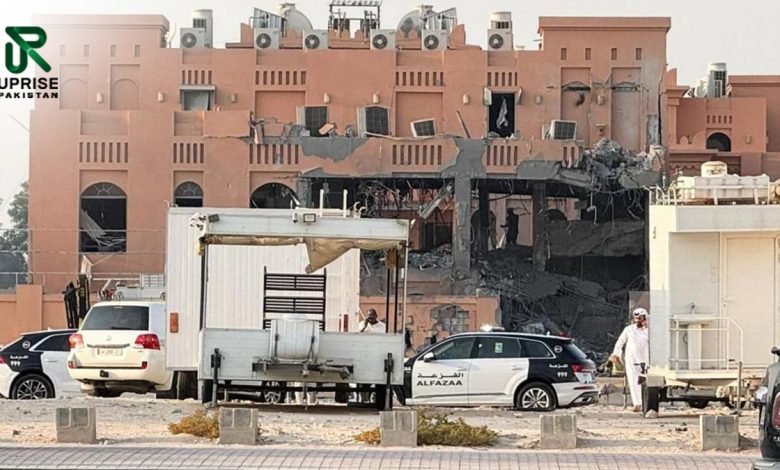
On September 9, 2025, Israel launched an airstrike in Doha, Qatar. It targeted Hamas leaders in a neighborhood called Katara. This move shocked the world. It came just after Hamas’s armed wing killed six people near Jerusalem.
Qatar, which serves as a mediator in Gaza peace talks, called the strike “cowardly” and “reckless.” The United Nations, Saudi Arabia, UAE, Egypt, and even the Pope also condemned it. This strike marks a shift in the conflict. Israel attacked targets over 1,000 miles from its borders. It shows that the conflict now has a Gulf dimension. It could strain peace talks more than ever.
Israel’s Strike In Doha Shifts The Battlefield
Israel struck targets in Doha. The strike hit critical infrastructure. It shocked many. It raised an alarm across the region. It broke new ground in conflict geography.
Transitionally, this move marks a notable shift. Previously, such actions stayed within a narrower area. Now, conflict jumps borders. That pattern signals escalation.
Key Details
- Israel targeted what officials say was a weapons facility.
- The attack came after mounting tensions.
- The strike crossed international lines.
- It risked dragging others into conflict.
Likewise, it raises serious concerns about regional reactions and global implications.
International Repercussions
The attack has already begun reshaping regional dynamics. Qatar, often a bridge in ceasefire talks, now finds itself directly involved in the conflict. Analysts warn the move could complicate future negotiations.
Egyptian state media reported that officials are holding emergency discussions with Gulf partners to prevent a wider escalation. The European Union also urged restraint, saying the crisis must not spiral further.
The Impact of Israel’s Doha Strike
Israel’s strike in Doha marks a major turning point in the Middle East crisis. By targeting Hamas leaders on Qatari soil, Israel expanded the conflict beyond Gaza. The attack drew sharp condemnation from Qatar, the UN, and Arab states, while raising fears of wider instability. It also threatened to derail fragile ceasefire talks, making peace efforts even more uncertain as regional tensions continue to rise.
Here’s why you should care:
- It raises regional instability quickly.
- It shakes global markets and energy supplies.
Regional Impact—What Comes Next
Peace talks may stall as trust erodes, while Gulf states reassess ties with Israel under public pressure. Hamas vows retaliation, raising the risk of fresh violence. International actors like Egypt and the UN push for restraint, but diplomacy now faces deeper challenges. The strike could mark the start of a wider regional confrontation.
Consider these possibilities:
- Neighboring countries might retaliate.
- Alliances could shift quickly.
| Event | Details |
| Location | Katara neighborhood, Doha, Qatar |
| Target | Senior Hamas leaders |
| Trigger | Hamas attack near Jerusalem, 6 killed |
| Israel’s stance | “Necessary for national security” |
| Qatar’s response | Condemned as “cowardly” and unlawful |
This incident may change how the world views conflict in this region from then on. For now, it signals a shift in strategy. It shows that old boundaries no longer limit conflict, and that matters.
Growing Regional Tensions
This marks the first time Israel has launched a strike on Qatari soil, over 1,000 miles from its borders. The escalation signals a willingness to extend military action beyond traditional conflict zones.
With tensions running high, experts believe both sides will harden their positions. Hamas vowed revenge in a statement, while Israel promised more operations if threats continue.
Ongoing Situation
As of Tuesday morning, the National Cyber Crime Investigation Agency in Israel said intelligence operations are continuing against Hamas leaders abroad. Qatar, meanwhile, has summoned foreign diplomats to brief them on the strike and its potential impact on regional peace efforts.


