
78 Years After Independence: Is Pakistan The Nation Quaid Imagined?
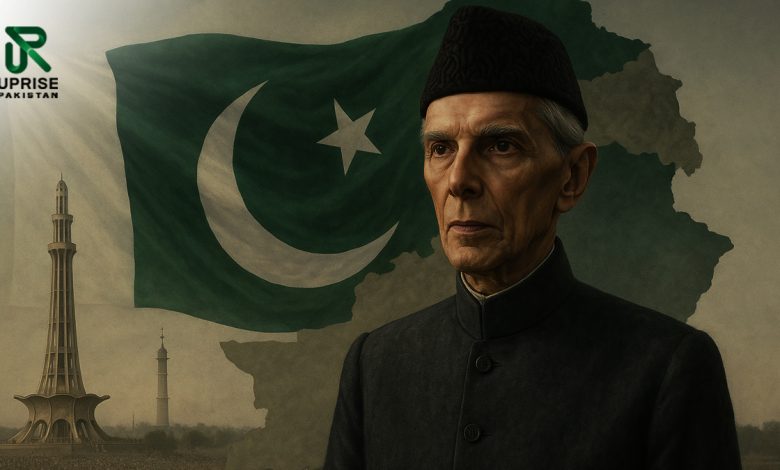
Pakistan turns 78 this August. Flags fly. Songs play. Yet this day also hurts. We feel pride and pain at once. We honor Quaid-e-Azam Muhammad Ali Jinnah. We also ask a hard question. Are we the nation he planned?
History gives context. The 1947 Partition was brutal and fast. Historians estimate that about 14 million people moved across new borders. They also record roughly 2 million deaths. Even so, Jinnah stayed firm. He set clear goals for a free, fair, and safe state. Today, we measure our path against that plan.
- Pakistan marks 78 years since 14 August 1947. Reflection is due.
- Quaid’s pillars: Unity, Faith, Discipline, Rule of Law, Inclusion, Education, and Integrity.
- We built strength in defense, relief, and public programs.
- However, justice delays, school quality, and clean governance still lag.
- The core test is simple. Are institutions stronger than individuals?
Quaid’s Vision — What He Said
Jinnah set the standard on day one. He said, “The first duty of the government is to maintain law and order.” People must live without fear. Property and belief need firm protection. The Constitution must stand above all.
Religious Freedom & Inclusion
He also said, “You may belong to any religion or caste or creed—that has nothing to do with the business of the State.” Faith is a personal right. Citizenship is equal. The state must protect that promise.
Education & Youth
Jinnah called education “a matter of life and death.” He praised the young, saying Pakistan is “proud of her youth.” He asked students to build character and learn. He urged them to study civics and world affairs. He wanted them ready to lead.
Integrity in Public Life
He warned, “Bribery and corruption… is a poison.” Public office is a trust. Merit must win over favor. Clean hands build strong states.
2025 Snapshot Vs Quaid’s Benchmarks
| Pillar | Quaid’s Benchmark (essence) | 2025 Reality (one line) | Status |
| Rule of Law | Impartial enforcement; supremacy of the Constitution | Enforcement remains uneven; reform momentum rises and falls | Mixed |
| Religious Freedom & Inclusion | Equal citizenship; protection of belief | Legal rights exist; real safety varies by place and community | Mixed |
| Education & Youth | Universal, quality education; civic literacy | Access improved; exam leaks and quality gaps still hurt learning | Off |
| Integrity in Public Office | Zero tolerance for corruption; merit over patronage | Oversight bodies work; results are inconsistent | Off |
| Democratic Continuity | Civil mandate; stable institutions | Elections occur; friction across institutions repeats | Mixed |
| Social Protection | Dignity for the weakest; help when crisis hits | Cash aid and health cards expand coverage | On |
Notes: Pakistan remains a young nation. By many estimates, over 60% of citizens are under 30. That is a strength if we teach well and govern well.
Next Steps That Matter
- Courts and Policing: Set time limits on cases. Clear backlogs. Protect witnesses.
- Education Reset: Guard exams from leaks. Train teachers well. Test real learning.
- Integrity Pact: Verify public asset reports. Open all state deals to the public.
- Local Power: Fund local councils on time. Publish scorecards for services.
- Equal Citizenship: Track rights abuse fast. Protect minorities through real action.
- Youth Pathways: Offer paid apprenticeships. Back research and startups with audits.
Progress And Pain Points
Now let us speak straight. We built strong defenses. We also grew our economy over time. We launched support like income aid and health cards. These are gains. They help people experiencing poverty. They reduce shock in a crisis. They match Jinnah’s aim to protect the weak.
But daily justice still feels slow and uneven. Many people do not trust the process. That breeds anger. It also feeds the idea that power, not law, decides. Schools reach more children. Yet quality is not enough. Exam leaks break hope. Weak teaching wastes years. This hurts our future most.
We also wrestle with clean governance. Laws exist. Agencies exist. But results vary. People feel that rules hit the small and spare the strong. That view breaks the bond between the public and the state. It also blocks growth. Clean rules let honest work win. That is how nations climb.
Still, there is a path. It is not bright talk. It is hard work. It is also simple work. We must put the Constitution first. We must fix the police and courts. We must make schools honest. We must publish data. We must protect every citizen. We must make leaders answer for results.
Bridging The Past And The Future
The question remains. Are we the nation Quaid imagined? Not yet. But we can be. We know the mission. We know the gaps. We have the people. We have the will. We need steady law, clean hands, honest exams, and strong local power. If we do that, then the promise of 1947 can still guide 2025. And the next 78 years can finally honor Jinnah’s plan for us—one fair day at a time.


