
Masoud Pezeshkian Clinches Victory in Iran’s Presidential Run-Off
Reformist Triumphs in Historic Election Following Tragic Loss of President Raisi
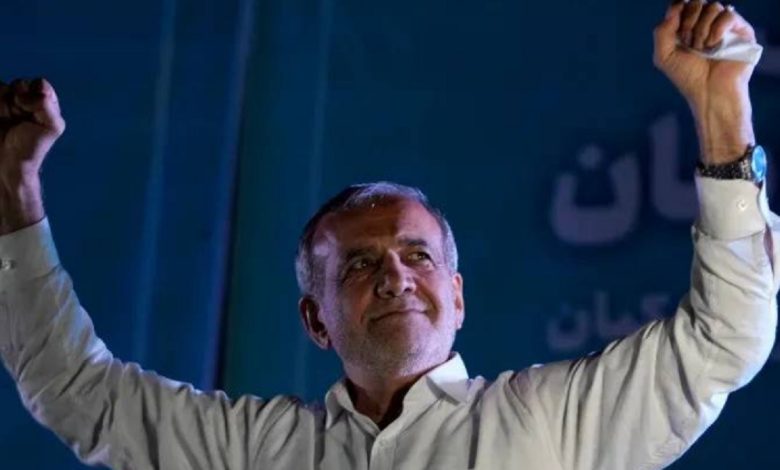
In a decisive outcome, reformist Masoud Pezeshkian has secured the presidency of Iran, winning 53.7% of the votes in a closely watched run-off election.
Election Necessitated by Tragedy
The need for these elections arose tragically after President Ebrahim Raisi perished in a helicopter crash this past May.
Masoud Pezeshkian’s Background and Campaign
Masoud Pezeshkian, a heart surgeon and seasoned lawmaker, campaigned on a platform of moderate reform. Despite initially being a lesser-known contender, his appeal grew significantly, culminating in a robust voter turnout. He garnered over 2.8 million votes over his rival, hard-line conservative Saeed Jalili, a former nuclear negotiator known for his anti-western solid stance.
Voter Turnout and Results
Approximately 30 million Iranians, or about 49.6% of eligible voters, voted on Friday—a modest turnout for a presidential election. Official results show Masoud Pezeshkian receiving 16.3 million votes, while Jalili secured 13.5 million.
Snap Elections Follow Raisi’s Death.
These snap elections followed the Death of President Ebrahim Raisi in a helicopter crash on May 19.
Guardian Council’s Role
Iran’s Guardian Council, responsible for vetting candidates, had initially narrowed the list to six: five hard-line conservatives and one reformist. However, two candidates withdrew before the first round of voting.
First Round of Voting
The initial round of the presidential election took place on June 28, with four candidates: Pezeshkian, Jalili, parliament speaker and former Tehran mayor Mohammad Bagher Qalibaf, and Mostafa Pourmohammadi, a Shia cleric with past roles in Iran’s Interior and Intelligence Ministries. None of these candidates achieved a majority, leading to a run-off between Pezeshkian, who led with 10.4 million votes, and Jalili, who followed with 9.4 million.
Historical Context of the Run-Off
This run-off marks only the second time in Iran’s history that a presidential election has required a second round. The first instance was in 2005 when Mahmoud Ahmadinejad won against former President Akbar Hashemi Rafsanjani.


