15 August – National Mourning Day (Bangladesh)
Reflect on the significance, history, and solemn observance of National Mourning Day in Bangladesh, honoring the legacy of Bangabandhu Sheikh Mujibur Rahman
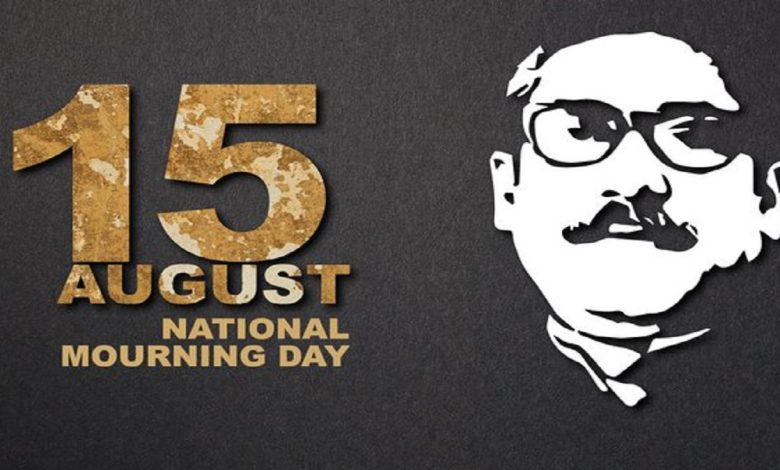
National Mourning Day, observed on 15 August, is a solemn day in Bangladesh’s history. This day marks the anniversary of the tragic assassination of Bangabandhu Sheikh Mujibur Rahman, the founding father of Bangladesh, along with most of his family in 1975. The day is marked by deep reflection, grief, and remembrance as the nation honors the legacy of a leader whose vision and sacrifices paved the way for Bangladesh’s independence. This blog explores the historical background, significance, and observances of National Mourning Day, highlighting its enduring impact on the nation.
Historical Background
The events of 15 August 1975 are etched in the collective memory of Bangladesh. In the early hours of that fateful day, a group of army officers staged a coup, leading to the brutal assassination of Sheikh Mujibur Rahman, his wife Begum Fazilatunnesa Mujib, and most of their family members. Only two of his daughters, Sheikh Hasina and Sheikh Rehana, survived as they were abroad at the time.
Sheikh Mujibur Rahman, affectionately known as Bangabandhu (Friend of Bengal), played a pivotal role in Bangladesh’s struggle for independence. His leadership during the Liberation War of 1971 and his vision for a free and prosperous nation earned him the title of Father of the Nation. The assassination of Bangabandhu was a devastating blow to the country, plunging it into mourning and marking a dark chapter in its history.
Significance of National Mourning Day
National Mourning Day is a day of deep national significance, serving as a reminder of the sacrifices made by Bangabandhu Sheikh Mujibur Rahman and his family. It is a day to reflect on the values of freedom, justice, and unity that Bangabandhu stood for and to renew the commitment to uphold his vision for Bangladesh.
Honoring the Legacy of Bangabandhu
The primary significance of National Mourning Day lies in honoring the legacy of Bangabandhu. His tireless efforts and unwavering dedication to the cause of independence laid the foundation for the birth of Bangladesh. By commemorating this day, the nation pays tribute to his contributions and reaffirms its commitment to the principles he championed.
Reflecting on National Identity
National Mourning Day is also an occasion for the people of Bangladesh to reflect on their national identity and the values that define them as a nation. It is a day to remember the struggles and sacrifices that led to the creation of Bangladesh and to draw inspiration from the ideals of unity, resilience, and determination that Bangabandhu embodied.
Promoting National Unity
In the face of tragedy, National Mourning Day serves as a unifying force for the people of Bangladesh. It is a day when political, social, and cultural differences are set aside, and the nation comes together in a shared sense of grief and remembrance. This unity is essential for fostering a strong and cohesive national identity.
Observance of National Mourning Day
The observance of National Mourning Day is marked by a series of solemn events and activities across Bangladesh. These events are aimed at honoring the memory of Bangabandhu Sheikh Mujibur Rahman and his family and reflecting on their enduring legacy.
Flag Lowering Ceremonies
The day begins with the lowering of the national flag to half-mast at all government buildings, educational institutions, and private establishments. This act of lowering the flag symbolizes the nation’s grief and serves as a visual reminder of the tragic events of 15 August 1975.
Memorial Services and Prayers
Memorial services and prayers are held across the country in honor of Bangabandhu and his family. These services often take place at the Bangabandhu Memorial Museum in Dhaka, the site of the former residence of Sheikh Mujibur Rahman, where he was assassinated. People from all walks of life gather to offer prayers and pay their respects.
Special Programs and Documentaries
Television and radio stations broadcast special programs, documentaries, and tributes dedicated to Bangabandhu Sheikh Mujibur Rahman. These programs provide historical insights into his life and achievements, ensuring that the younger generation understands the significance of his contributions to the nation.
Wreath Laying Ceremonies
Wreath laying ceremonies are held at the graves of Sheikh Mujibur Rahman and his family members. Government officials, political leaders, and the public participate in these ceremonies, laying wreaths and offering flowers as a mark of respect.
Educational and Cultural Activities
Educational institutions organize special activities such as essay competitions, debates, and seminars focused on the life and legacy of Bangabandhu. These activities aim to educate students about the historical importance of National Mourning Day and inspire them to uphold the values of freedom and justice.
The Enduring Impact of National Mourning Day
The observance of National Mourning Day has a profound and enduring impact on the people of Bangladesh. It serves as a constant reminder of the sacrifices made for the nation’s independence and the importance of preserving its sovereignty and unity.
Inspiring Future Generations
National Mourning Day inspires future generations to carry forward the legacy of Bangabandhu Sheikh Mujibur Rahman. By learning about his life and contributions, young people are encouraged to work towards building a prosperous and just society, rooted in the principles of equality and human rights.
Strengthening National Resolve
The collective grief and remembrance observed on National Mourning Day strengthen the national resolve to overcome challenges and uphold the ideals of freedom and democracy. It reinforces the commitment to ensure that the sacrifices of Bangabandhu and his family were not in vain and that their vision for Bangladesh is realized.
Promoting Social Cohesion
National Mourning Day promotes social cohesion by bringing people together in a shared sense of loss and remembrance. It fosters a spirit of solidarity and unity, essential for addressing the social and political challenges facing the nation.
Conclusion
15 August, National Mourning Day, is a day of profound significance in Bangladesh. It is a day to honor the legacy of Bangabandhu Sheikh Mujibur Rahman, reflect on the values that define the nation, and come together in a spirit of unity and remembrance. As the people of Bangladesh observe this solemn day, they renew their commitment to the principles of freedom, justice, and democracy that Bangabandhu stood for. Through the observance of National Mourning Day, the nation ensures that the sacrifices of its founding father and his family are never forgotten and that their vision for a prosperous and just Bangladesh lives on.