
NDMA Issues Red Alert: Heavy Monsoon Rains Set To Drench Nation!
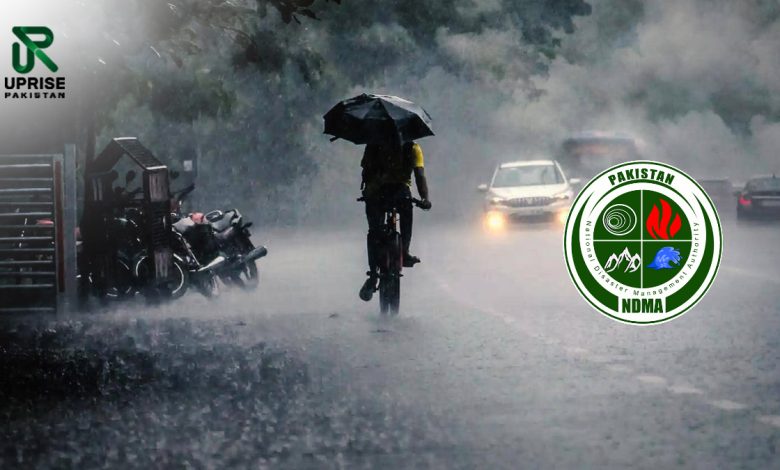
To begin with, this isn’t your average rainstorm. In fact, Pakistan’s National Disaster Management Authority (NDMA) just issued a red alert. As a result, heavy monsoon showers are expected to sweep across the country. More importantly, you’re probably wondering, “Is this serious?” Sincerely, yes—it’s very important. As a result, it could rain hard and for a long time, affecting both towns and farms.
Without a question, people living in areas that are low or prone to flooding must be careful and get ready. Additionally, we’ll cover how to prepare your home, what to do in emergencies, and where to get trusted updates.
Why Has NDMA Issued A Red Alert?
To clarify, NDMA does not issue red alerts casually. In fact, this warning shows that the coming weather could be harmful and damaging. The rainfall trends are now crazy and hard to predict because of climate change. Because of this, it rains more heavily, rivers rise faster, and towns like Karachi, Lahore, and Islamabad flood within hours.
Accordingly, the red alert focuses on:
- High-risk flood areas
- Expected rainfall in multiple provinces
- River levels are rising rapidly
- Overflowing drains in key cities
- Landslide threats in hilly regions
Fact: The Pakistan Meteorological Department says some areas could get over 100 mm of rain in 24 hours. So, don’t wait if you live near drains, rivers, or canals. Get ready now.
Areas Likely To Be Hit The Hardest
Naturally, not every city will suffer the same way. While some will see light rain, others will get completely drenched. Here’s a breakdown of potential hotspots:
| Region | Rainfall Intensity | Risk Level |
| Karachi | Heavy to Very Heavy | Urban Flooding |
| Lahore | Moderate to Heavy | Flooding, Traffic |
| Islamabad/Rawalpindi | Heavy | River Overflow |
| Gilgit-Baltistan | Moderate | Landslides |
| South Punjab | Very Heavy | Crop Damage |
| Balochistan | Intermittent Heavy | Flash Floods |
Danger: It’s clear that hilly places are more likely to have landslides. So, if you still want to go to Murree, Swat, or Hunza, please think again.
Also, seaside places like Gwadar and Thatta could be hit by high tides because of the strong storms that feed the monsoon.
What You Should Do Right Now
Undoubtedly, panicking helps no one. On the other hand, preparation makes all the difference.
Here are five quick things you can do right now:
- First of all, charge all your devices.
- Secondly, check and clear your home drains.
- Next, store clean drinking water.
- Then, keep a flashlight and extra batteries nearby.
- Finally, talk to your neighbors and make a mini emergency plan.
Quick Tip: If you use a generator, always keep it outside. Carbon monoxide is silent, but deadly.
Additionally, don’t forget your furry friends. Often, pets panic during storms. So, keep them inside and comforted.
Everyday Life Disrupted – What To Expect
Realistically, your daily routine is going to take a hit. As a result, you’ll see major disruptions across the board.
- Traffic will be horrible. Waterlogged roads lead to chaos.
- Power cuts will happen often, especially in cities with old infrastructure.
- School and work may shut down. Keep an eye out for official updates.
- Grocery stores might run low on essentials. Stock up now.
- Health services may be delayed. Floods slow down emergency response.
Suggestion: Therefore, only step outside if it’s truly necessary. Otherwise, stay indoors and safe.
Of course, it’s not just about rain—it’s about real-world chaos. So, please take this seriously.
How The Government Is Responding
Thankfully, NDMA and local governments are already on the move. In fact, they’ve rolled out multiple emergency steps.
Currently, they are:
- Cleaning major city drains and waterways
- Deploying rescue boats in flood-prone areas
- Warning local officials and communities
- Activating national emergency helplines
- Preparing temporary shelters for evacuees
Fact: In the past, flooding has also been when more waterborne diseases spread. This is why hospitals are ready for cholera, dengue, and typhoid cases.
Info: Call NDMA helpline 1700 for instant updates or visit their site.
What If There’s A Flood In Your Area?
So, let’s say your area floods—what now?
- Foremost, stay calm.
- Move your family to higher ground.
- Avoid touching electric poles or wires.
- Boil water before drinking.
- Keep a small go-bag ready.
Include ID, cash, snacks, meds, and clothes.
Warning: Never drive or walk in flooded streets. You can’t see deep potholes or open maintenance holes. Even a shallow current can knock you down.
Suggestion: Assign one family member to track the latest news and decide what to do next. That helps avoid confusion.
How To Prepare Your Home Before It’s Too Late
By now, you still have time to act. So, use it wisely.
Start by inspecting your roof, windows, and drains. Make sure they’re all in good shape. Then, move all electronics and important items above floor level. Most importantly, important documents should be protected in waterproof pouches.
Here’s a simple home checklist:
- Firstly, secure your power backup.
- Secondly, elevate electronics and furniture.
- Thirdly, use sandbags at entry points.
- Fourthly, all rooftop and ground drains must be cleared.
- Fifthly, make a waterproof first-aid kit.
Quick Tip: The earlier you prepare, the safer you’ll be. Never wait for the rain to start.
When the Skies Open Up – Be the One Who’s Ready
In short, the NDMA red alert means business. This year’s rainy season will be one of the worst in recent years. So, expect flooding, power cuts, and other problems in your daily life. But not everything is lost. As long as you plan, you can lower the risks. Checking on family, friends, and older people is also important.
Tell someone today about this blog if it helped you, because we are safer knowing more about what’s happening around us.
Stay dry, stay smart, and remember: even superheroes carry umbrellas! ☔


