
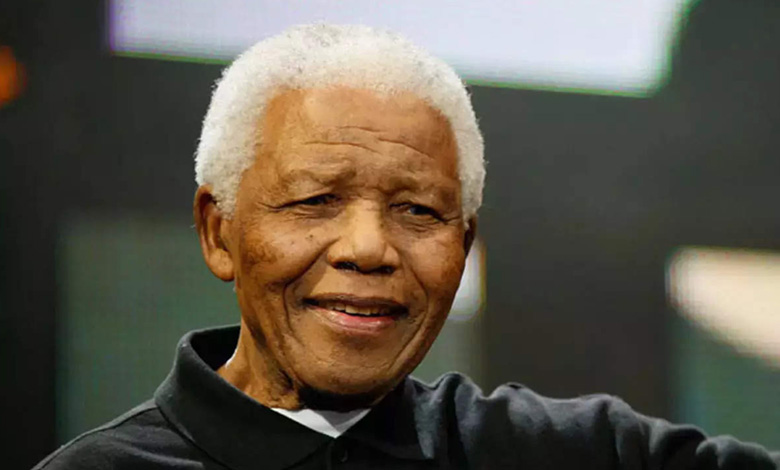
Nelson Mandela International Day, observed annually on July 18, celebrates the life, achievements, and enduring legacy of Nelson Mandela, one of the most iconic figures in the struggle against apartheid and for human rights. Established by the United Nations in 2009, this day commemorates Mandela’s birthday. It serves as a global call to action, encouraging individuals and communities to engage in acts of service and promote social justice. As we mark Nelson Mandela International Day 2024, we reflect on the profound impact of Mandela’s work and how we can continue to embody his values in our daily lives.
Mandela’s Early Life and Activism
Nelson Mandela, born on July 18, 1918, in the village of Mvezo in South Africa, faced the harsh realities of racial segregation and inequality from an early age. His experiences and observations of injustice fueled his commitment to activism. Mandela joined the African National Congress (ANC) in 1944, becoming a leader in the fight against apartheid a brutal system of racial discrimination enforced by the South African government. His advocacy for equality and justice made him a target of the apartheid regime, leading to his arrest and imprisonment in 1962.
The Long Walk to Freedom
Mandela’s 27 years of imprisonment, most spent on Robben Island, did not weaken his resolve. Instead, his time behind bars strengthened his commitment to achieving a democratic and free society where all individuals could live in harmony and with equal opportunities. Mandela’s resilience and unwavering spirit symbolized hope and resistance for oppressed people worldwide. Upon his release in 1990, Mandela continued his struggle, leading negotiations to dismantle apartheid and laying the groundwork for a new, democratic South Africa.
In 1994, Nelson Mandela was elected South Africa’s first black president in the country’s first fully representative democratic election. His presidency began a new era in South Africa’s history. Mandela’s leadership focused on reconciliation and nation-building, working to bridge the deep divides created by decades of apartheid. His efforts to foster unity and promote a culture of peace and equality were instrumental in shaping a more inclusive society. Mandela’s presidency is often remembered for its emphasis on forgiveness, reconciliation, and building a “Rainbow Nation.”
The Significance of Mandela Day
Nelson Mandela International Day is not just a celebration of Mandela’s life and legacy but also a day of global service. The United Nations encourages people to dedicate 67 minutes of their time, one minute for each year Mandela spent in public service to make a positive impact in their communities. This initiative underscores Mandela’s belief in the power of individual action to effect change. Whether through volunteer work, community service, or acts of kindness, Mandela Day inspires people to contribute to the betterment of society.
Continuing Mandela’s Legacy in 2024
As we celebrate Mandela Day 2024, freedom, equality, and social justice remain as relevant as ever. Around the world, issues such as racial inequality, poverty, and injustice continue to persist. Mandela’s legacy provides a robust framework for addressing these challenges. By embracing the values of empathy, compassion, and resilience, individuals and communities can work towards creating a more just and equitable world. The spirit of Mandela Day reminds us that each person can make a difference, no matter how small their actions may seem.
Mandela’s Global Influence
Nelson Mandela’s influence extends far beyond South Africa’s borders. His advocacy for human rights and social justice has inspired countless movements and leaders worldwide. Mandela’s legacy is a testament to the enduring power of activism and the importance of standing up against oppression. His words and actions continue to resonate, serving as a beacon of hope for those fighting for justice and equality. Mandela’s global impact underscores the interconnectedness of our struggles and the collective effort required to bring about meaningful change.
For many individuals, Mandela’s life story is a source of inspiration. His journey from prisoner to president is a powerful reminder of the potential for transformation and the strength of the human spirit. Reflecting on Mandela’s impact encourages us to examine our lives and consider how we can contribute to the broader fight for justice and equality. Through activism, community service, or simply treating others with kindness and respect, we can all honor Mandela’s legacy by embodying his principles.
Educational Initiatives and Mandela’s Teachings
Education plays a crucial role in sustaining Mandela’s legacy. By educating future generations about Mandela’s life and the values he championed, we ensure that his message of equality and justice continues to resonate. Schools and educational institutions can incorporate lessons about Mandela’s work into their curricula, fostering a deeper understanding of social justice issues and encouraging students to participate actively in their communities. Mandela’s teachings remind us of the importance of lifelong learning and the continuous pursuit of knowledge and understanding.
Conclusion: A Call to Action
As we observe Nelson Mandela International Day 2024, we are reminded of the profound impact one individual can have on the world. Mandela’s life and legacy inspire us to strive for a more just, equitable, and compassionate society. By dedicating time to service, promoting social justice, and fostering a spirit of unity and reconciliation, we can honor Mandela’s legacy and contribute to the ongoing fight for human rights and equality. Let us use this day to reflect on Mandela’s teachings and take action, embodying the change we wish to see in the world.


