
Pariksha Pe Charcha: PM Modi’s Miri Design Assam Handloom Shawl Steals The Show

With Board examinations around the corner, Prime Minister Narendra Modi on Friday interacted with students during the annual ‘Pariksha Pe Charcha’ programme, offering guidance on managing stress and preparing for exams. However, alongside his message to students, a handwoven shawl draped over his shoulder drew widespread attention for its cultural significance. (News18 Hindi)
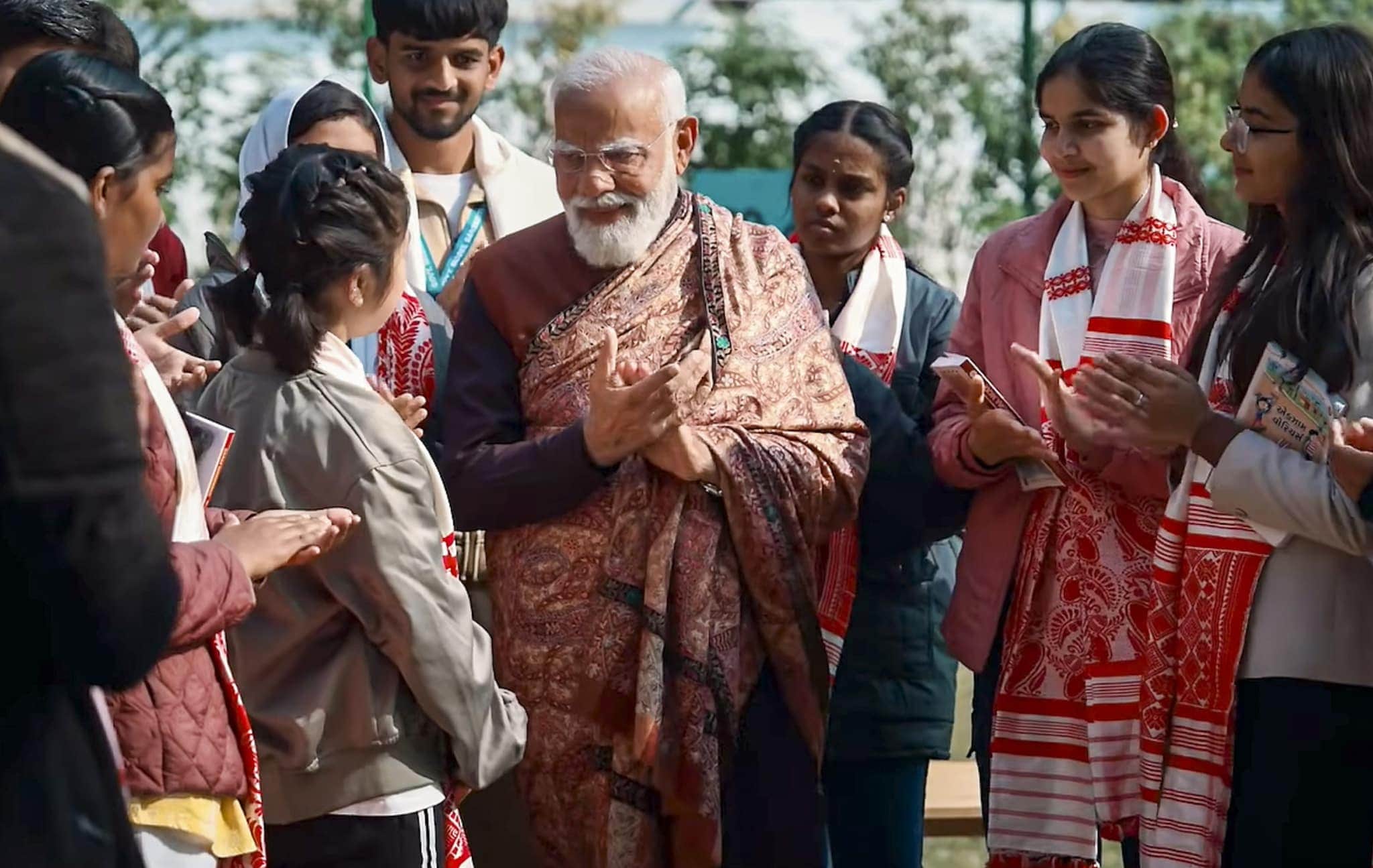
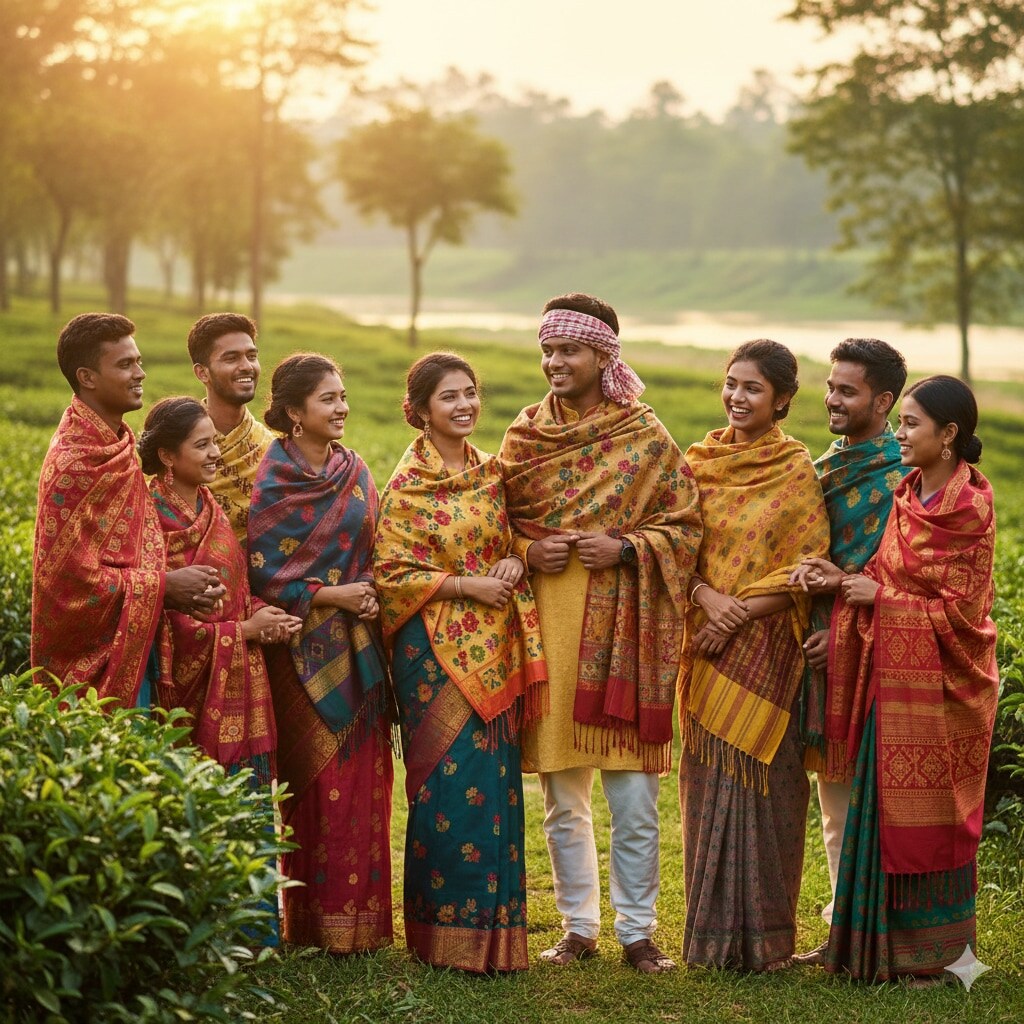
The handloom piece, known for its fine craftsmanship and traditional ‘Miri’ design, featured detailed embroidery and floral patterns that reflected the skill of Assamese weavers. For centuries, such weaving has remained an inseparable part of the state’s identity. (News18 Hindi)
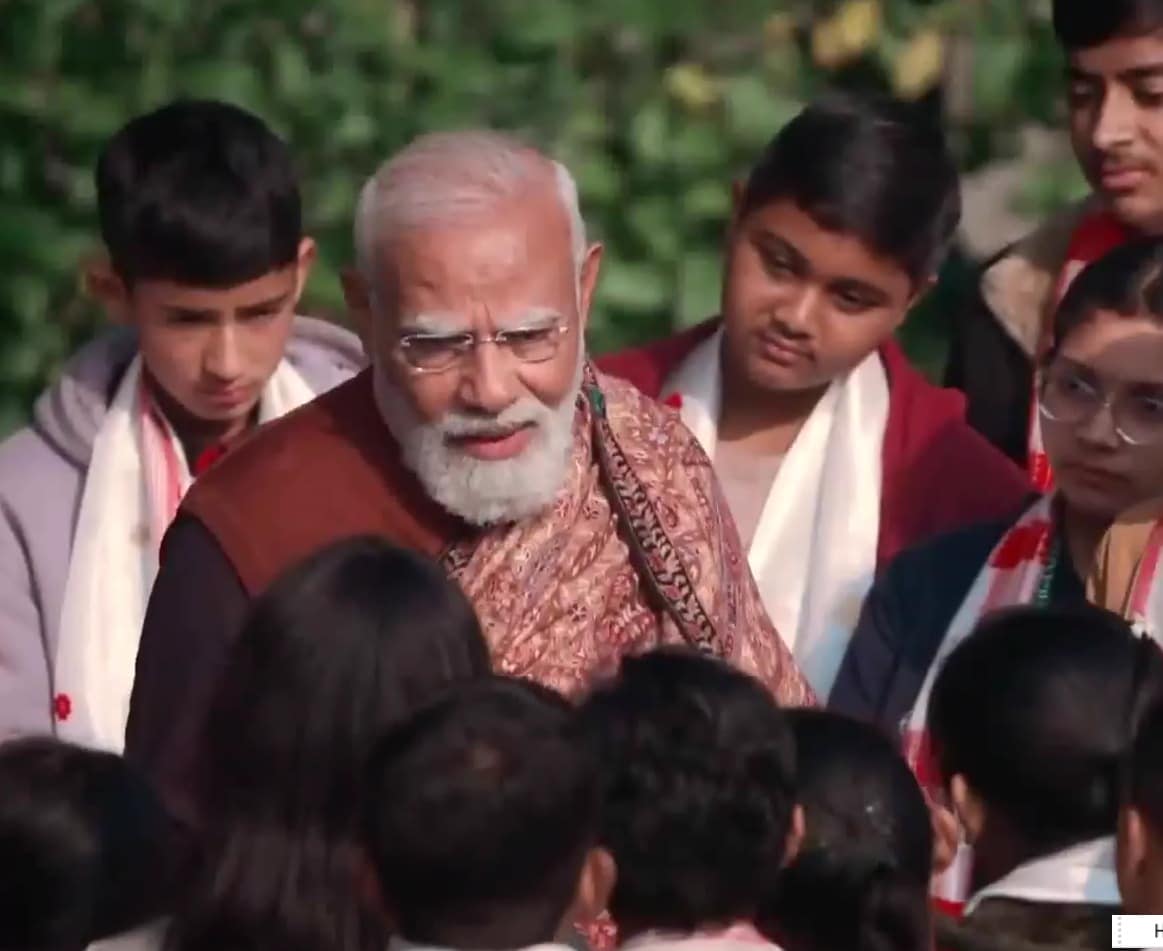
During the interaction, PM Modi presented students with an Assamese gamosa (traditional cloth) and spoke about its importance. He described it as a symbol of respect in Assam and several parts of the North East, calling it an “epitome of women’s empowerment”. He expressed admiration for the intricate weaving of the fabric, which holds deep cultural roots in the region. (News18 Hindi)
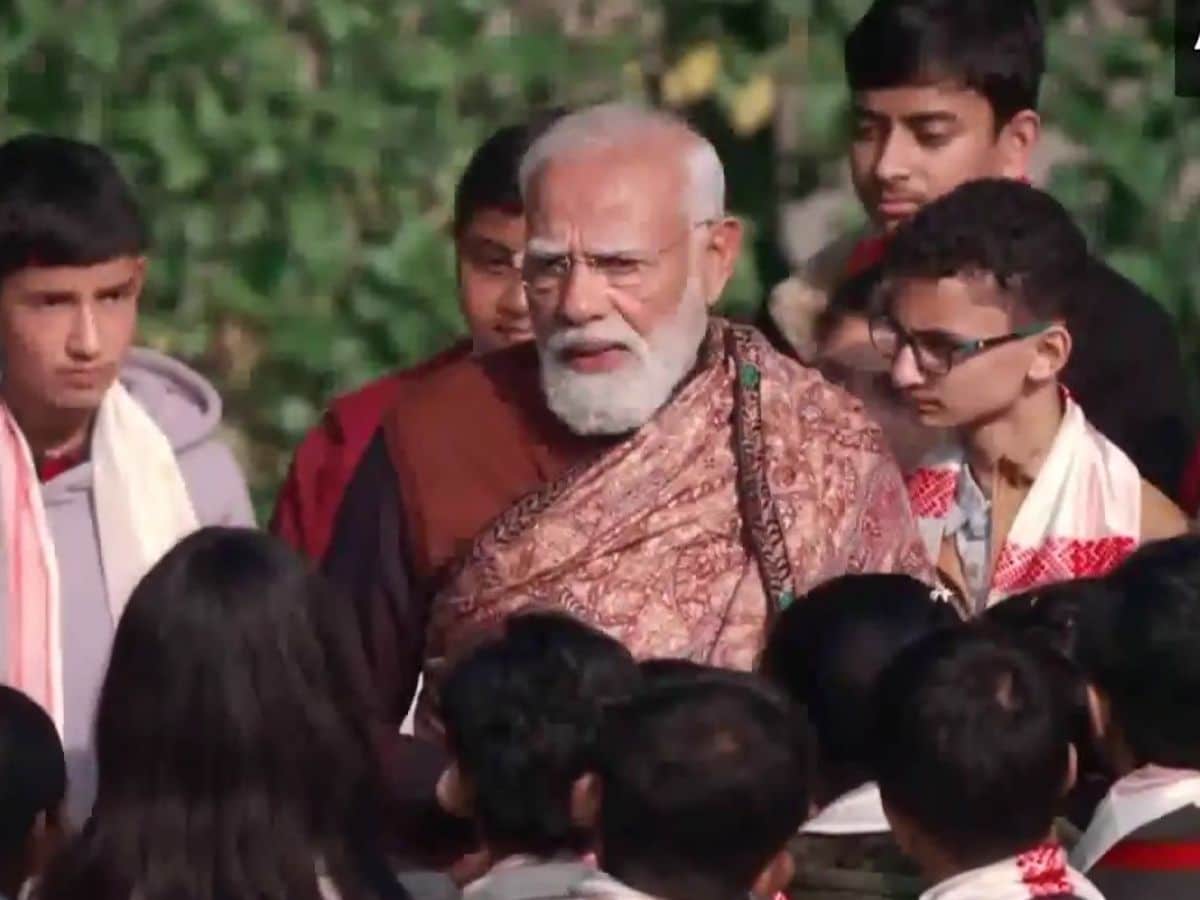
One of the most distinctive aspects of the shawl worn by the PM was its material, Eri silk. Often referred to as ‘Ahimsa silk’ in Assam, it is produced without killing the silkworms. Apart from its visual appeal, the fabric is known for providing warmth during winter, making it both functional and elegant. PM Modi’s choice to wear the shawl was seen by many as a reflection of his emphasis on the ‘Vocal for Local’ initiative. When national leaders highlight regional attire and handicrafts, it brings visibility to local traditions and helps strengthen the economic prospects of rural artisans and weavers. (News18 Hindi)
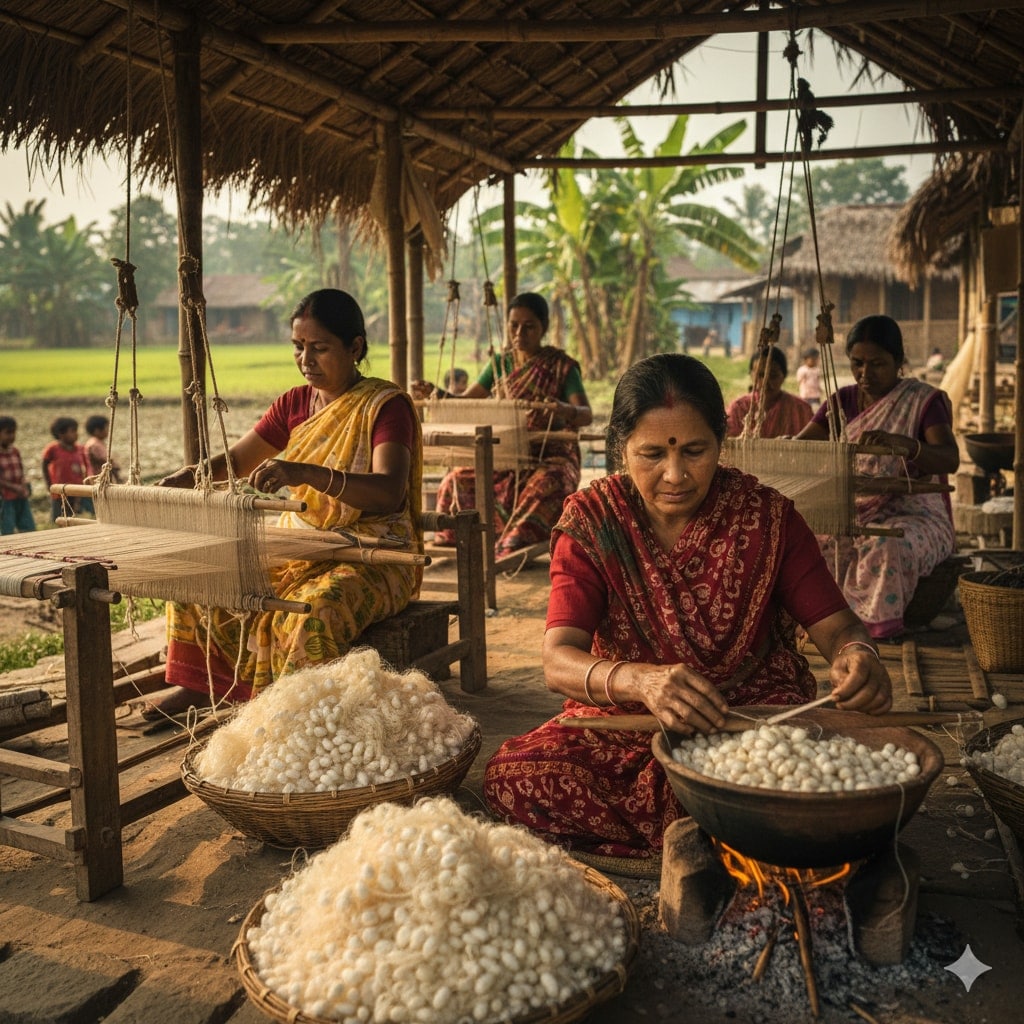
The history of Assamese handloom weaving stretches back centuries, with references found in ancient texts such as the Kalika Purana and Harshacharita. During the medieval period, particularly under the Ahom rulers, weaving received significant patronage. It was not merely a domestic necessity but a mark of cultural refinement and social status. Traditionally, looms were present in almost every Assamese household, and the weaving skills of women were considered a sign of talent and pride. (News18 Hindi)
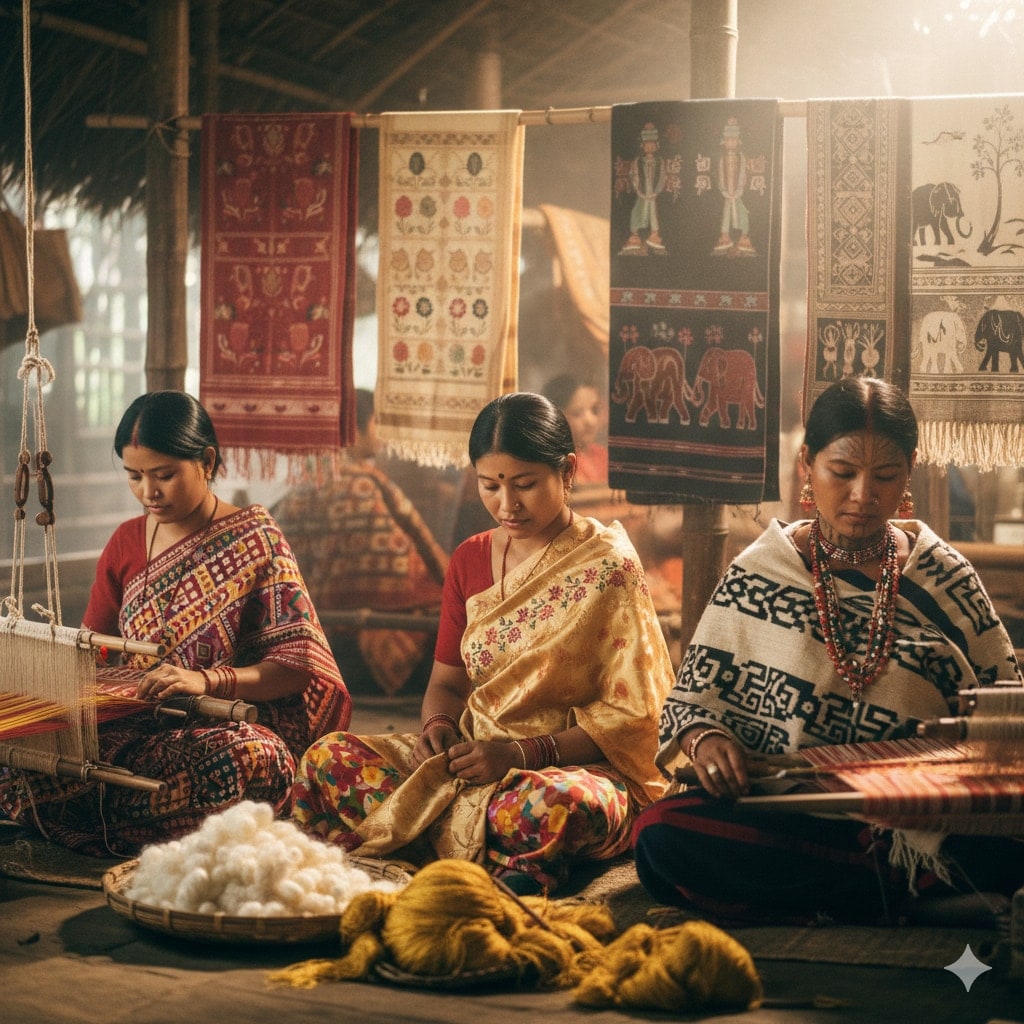
Over time, various communities across Assam, including the Bodo, Mishmi and Naga tribes, enriched this tradition through their unique designs and weaving styles. The use of Muga and Eri silk, both globally admired for their durability and purity, further elevated the reputation of Assamese textiles. The intricate ‘Miri’ and floral motifs woven into these shawls often reflect the region’s natural beauty and stories rooted in its history. (News18 Hindi)
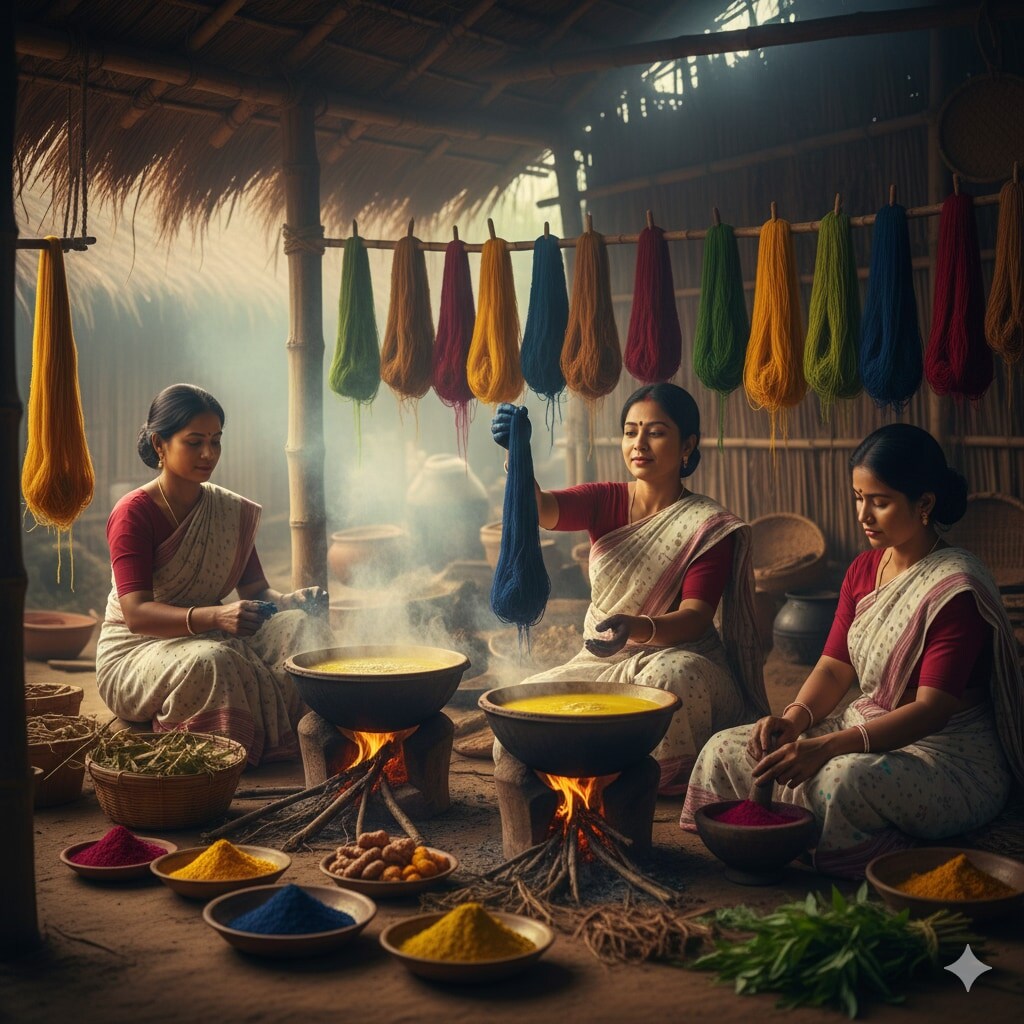
Colours used in these textiles also carry a legacy of their own. The practice of using natural dyes in Assam dates back to ancient times. Weavers traditionally coloured threads using plant-based sources such as roots, bark, fruits and leaves. Indigo plants were used to create deep blue shades, turmeric for yellow, and madder roots for red. These natural dyes were not only eco-friendly but were also known to grow richer with time rather than fade. (News18 Hindi)
Such dyes were used on both cotton and silk threads, including Muga and Eri, giving the fabric its unique sheen and organic quality. Even today, many rural weavers continue to follow these traditional methods, which are considered safer for the skin and more durable than synthetic alternatives. (News18 Hindi)
Source link


