
Plastic-Free Pakistan: A Collective Mission for a Sustainable Future
How Pakistan is Taking Bold Steps Toward a Greener Tomorrow
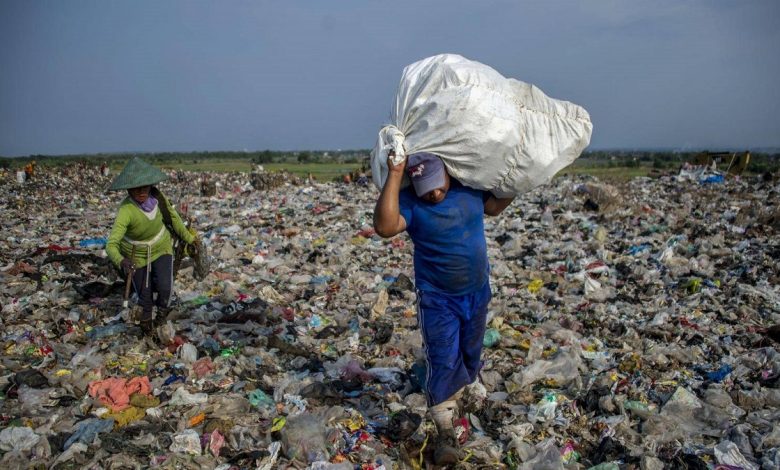
In today’s world, sustainability has become more than just a buzzword; it is a necessity for the survival of our planet. As we face growing environmental challenges like climate change, resource depletion, and pollution, adopting sustainable practices is critical. In Pakistan, plastic waste has emerged as one of the most significant environmental threats, with the country producing 3.9 million metric tonnes of plastic waste annually. This number is expected to reach 6.12 million metric tonnes by 2050 if no action is taken. The path forward must focus on minimizing environmental impact and preserving our natural world for future generations.
The Plastic Crisis in Pakistan
Plastic waste has become a major problem in Pakistan, threatening not only the environment but also public health. With the growing population and increasing consumption of plastic products, the amount of waste produced is rapidly escalating. Plastics end up in landfills, water bodies, and even the oceans, where they take hundreds of years to degrade. This issue is not just a concern for the present; it poses severe risks for future generations. The statistics are alarming, with 3.9 million metric tonnes of plastic waste currently being produced every year. Without immediate intervention, the future looks grim.
A Collaborative Effort: PBL and WWF Join Forces
In a bid to address this looming crisis, Pakistan Beverage Limited (PBL) has teamed up with the World Wide Fund for Nature (WWF) to launch a series of initiatives aimed at tackling plastic waste and promoting sustainability. One of the key projects they have launched is the Plastic Recovery Bank (PRB) initiative. The PRB focuses on responsible waste management by encouraging communities to take a hands-on approach to plastic disposal. The project aims to reduce the amount of plastic waste that ends up in landfills, by fostering a culture of recycling and waste reduction.
The Plastic Recovery Bank: Encouraging Responsible Waste Disposal
The Plastic Recovery Bank initiative is designed to involve communities in plastic waste reduction efforts. To achieve this, recovery banks have been installed at three prestigious institutions in Karachi: the University of Karachi (KU), the Institute of Business Administration (IBA), and Sindh Madarsatul Islam University (SMIU). These recovery banks encourage students and faculty to dispose of their plastic waste responsibly, promoting a culture of sustainability. By actively engaging educational institutions, PBL and WWF hope to create a ripple effect, where responsible waste management becomes a part of everyday life for the younger generation.
Inspiring the Next Generation: The Stars of the Planet Challenge
PBL and WWF are not stopping at waste management. They are also working to inspire the next generation of environmental leaders through the Stars of the Planet Challenge. This initiative targets students from 20 different schools, engaging them in workshops and awareness sessions focused on plastic collection, recycling, and environmental protection. The goal is to motivate young minds to come up with innovative ideas that can help tackle the plastic crisis. The top three ideas will receive grant funding from PBL and WWF, enabling the students to implement their projects and measure their impact. By empowering the younger generation, the Stars of the Planet initiative is sowing the seeds for a more sustainable future.
Protecting Our Coastlines: Beach Clean-up Campaigns
Plastic waste is not just confined to land; it also severely affects marine ecosystems. Recognizing the devastating impact of plastic pollution on Pakistan’s coastlines, PBL and WWF have organized beach clean-up drives involving students from the University of Karachi and Sindh Madarsatul Islam University. These efforts raise awareness about the dangers of plastic waste, particularly its impact on marine life, while promoting responsible waste disposal practices among participants. By removing plastic waste from beaches, these clean-up campaigns contribute to protecting marine biodiversity and keeping Pakistan’s shores beautiful.
PBL’s Commitment to Sustainability
PBL’s efforts in promoting sustainability go beyond the Plastic Recovery Bank and beach clean-ups. The company has taken several bold steps to reduce its environmental footprint, particularly in the area of such waste reduction. PBL has become the first bottling company in Pakistan to convert all of its stock-keeping units (SKUs) to rPET bottles, which are made from recycled plastic. This move is part of the company’s alignment with PepsiCo’s Pep+ (PepsiCo Positive) framework, which aims to create a circular economy where it is reused, not wasted.
Water Conservation and Energy Efficiency
In addition to this waste reduction, PBL has also invested heavily in water conservation. The company installed an Effluent Treatment Plant (ETP) between 2019 and 2020 to recycle water and ensure it is treated before being released into the sea. Since then, PBL has saved more than 600 million liters of water, a remarkable achievement in a country where water scarcity is a growing concern.
PBL is also leading the charge in renewable energy. The company has launched a 1.5-megawatt solar energy project, with plans to increase it to 2 megawatts by the end of the year. This switch to solar power not only reduces PBL’s operational costs but also helps combat harmful fuel emissions, which are a significant contributor to Pakistan’s air pollution problem.
Cooling with a Conscience: Eco-Friendly Coolers
Another notable initiative by PBL is the introduction of 2500 R290 coolers into its operations. These coolers are highly energy-efficient and environmentally friendly, significantly reducing electricity consumption and the use of harmful refrigerants. By adopting these coolers, PBL is further minimizing its environmental impact, while also cutting operational costs.
Conclusion: A Greener Pakistan Is Possible
PBL’s collaborative efforts with WWF and its commitment to sustainability offer a promising path forward for Pakistan. By tackling this crisis head-on, conserving water, reducing fuel emissions, and promoting recycling, PBL is setting a strong example for other corporations in the country. However, real change will require the involvement of every segment of society—from businesses to educational institutions, and most importantly, the younger generation. With the combined efforts of individuals, communities, and organizations, a plastic-free, sustainable Pakistan is within reach.


