
Indonesian Independence Day: A Nation’s Journey to Freedom
Celebrating the Spirit of Unity and Resistance on Indonesia's Independence Day
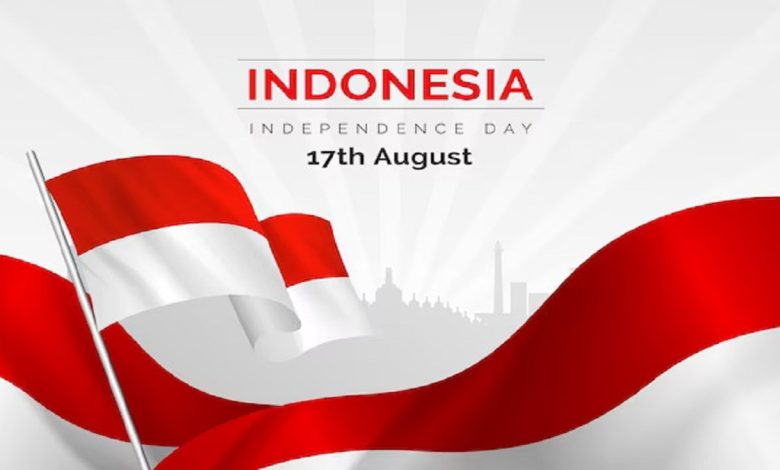
Indonesian Independence Day, celebrated annually on August 17th, marks a pivotal moment in the history of Indonesia. It was on this day in 1945 that the Indonesian people, after centuries of colonial rule, declared their independence from the Netherlands. The journey to freedom was long and arduous, filled with struggles, sacrifices, and an unyielding spirit of resistance. This blog will explore the history, significance, and modern-day celebrations of Indonesian Independence Day, shedding light on the resilience and unity that define the nation.
The Historical Background of Indonesian Independence Day
Indonesia’s path to independence was shaped by centuries of colonial rule, primarily under the Dutch East India Company and later the Dutch government. The archipelago, rich in natural resources and strategically located, was a prized possession for the colonial powers. For more than three centuries, the Indonesian people endured exploitation, forced labor, and the suppression of their cultural identity.
The early 20th century saw the rise of nationalist movements, with figures like Sukarno, Hatta, and Sutan Sjahrir emerging as leaders of the struggle for independence. The Japanese occupation during World War II provided a temporary respite from Dutch rule but also intensified the desire for self-governance. As the war ended and Japan surrendered, Indonesian nationalists seized the moment to declare independence.
The Proclamation of Independence
On August 17, 1945, Sukarno, who would later become Indonesia’s first president, and Mohammad Hatta, who would become the first vice president, proclaimed Indonesia’s independence. The proclamation was a bold statement, made in the face of uncertainty and without the support of major world powers. The declaration took place at Sukarno’s residence in Jakarta, and the text was simple yet powerful, asserting the right of the Indonesian people to self-determination.
The proclamation marked the beginning of a new chapter in Indonesian history, but it was far from the end of the struggle. The Dutch, unwilling to relinquish control over their former colony, sought to reassert their dominance, leading to a brutal four-year conflict known as the Indonesian National Revolution.
The Struggle for Recognition and Sovereignty
The years following the proclamation of independence were marked by intense fighting, diplomatic efforts, and internal challenges. The Indonesian National Revolution saw guerrilla warfare, widespread mobilization of the population, and significant sacrifices. The struggle was not just against the Dutch but also against the complex realities of building a new nation from the ashes of colonialism.
The revolution culminated in the Dutch recognition of Indonesia’s independence on December 27, 1949, following international pressure and negotiations mediated by the United Nations. This recognition was a hard-won victory, and it cemented Indonesia’s place as a sovereign nation on the global stage.
The Significance of Indonesian Independence Day
Indonesian Independence Day is more than just a commemoration of a historical event; it is a celebration of the Indonesian spirit, unity, and resilience. The day serves as a reminder of the struggles and sacrifices made by the nation’s founders and the generations that followed. It also highlights the importance of unity in diversity, as Indonesia is home to hundreds of ethnic groups, languages, and cultures.
The celebration of Independence Day is a time for Indonesians to reflect on their national identity and the values that bind them together. It is an opportunity to honor the past, celebrate the present, and look forward to the future with hope and determination.
Modern-Day Celebrations of Indonesian Independence Day
Today, Indonesian Independence Day is celebrated with great enthusiasm across the country. The day begins with flag-raising ceremonies held in cities and villages alike, with the most significant one taking place at the Presidential Palace in Jakarta. The ceremony is attended by the President, government officials, and foreign dignitaries, and is broadcast nationwide.
Following the formal ceremonies, the day is filled with various cultural and recreational activities. Traditional games, such as “panjat pinang” (a climbing competition) and “lomba makan kerupuk” (a cracker-eating contest), are popular among children and adults alike. These games not only entertain but also foster a sense of community and camaraderie.
Parades, performances of traditional music and dance, and community feasts are also common. In some regions, people participate in reenactments of historical events, bringing the past to life and educating the younger generations about their country’s history.
The Role of Independence Day in Fostering National Unity
Indonesian Independence Day plays a crucial role in fostering a sense of national unity. In a country as diverse as Indonesia, with its multitude of ethnicities, religions, and languages, maintaining unity is a continuous challenge. The celebrations serve as a reminder of the shared history and common goals that unite the nation.
The theme of unity is often reflected in the Independence Day speeches delivered by leaders, emphasizing the importance of working together to overcome challenges and build a better future. The day also provides an opportunity to promote social cohesion and inclusivity, reinforcing the idea that despite differences, all Indonesians are part of one nation.
The Legacy of Independence
The legacy of Indonesian Independence Day extends beyond the borders of Indonesia. It serves as an inspiration to other nations and peoples who are striving for freedom and self-determination. The Indonesian experience demonstrates the power of resilience, determination, and unity in the face of adversity.
Furthermore, the celebrations of Independence Day continue to evolve, reflecting the changing dynamics of Indonesian society. In recent years, there has been a growing emphasis on sustainability, with communities incorporating eco-friendly practices into their celebrations, such as reducing waste and promoting local products.
Conclusion
Indonesian Independence Day is a profound symbol of the nation’s journey to freedom and the enduring spirit of its people. It is a day to remember the past, celebrate the present, and look forward to the future with hope and optimism. As Indonesia continues to grow and evolve, the values of unity, resilience, and determination that are celebrated on Independence Day will remain central to the nation’s identity. The celebrations not only honor the struggles of the past but also serve as a reminder of the collective responsibility to build a just, prosperous, and inclusive future for all Indonesians.


