
U.S. 2024 Presidential Election: Trump vs. Kamala Harris Showdown
A High-Stakes Showdown: Trump vs. Kamala Harris in the 2024 U.S. Presidential Election
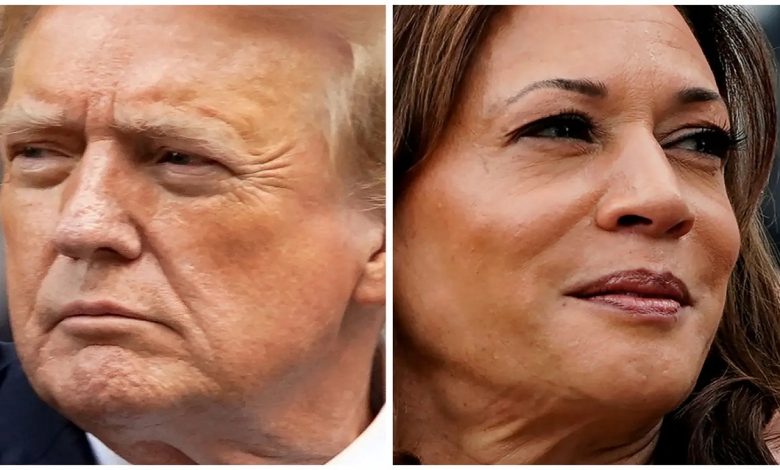
The 2024 U.S. Presidential Election is shaping up to be one of the most pivotal elections in American history. With the political landscape more polarized than ever, the race features a potential headtohead between former President Donald Trump and current Vice President Kamala Harris. This faceoff has the potential to redefine the future of the nation, as both candidates represent contrasting visions for America’s political, economic, and social trajectory.
Election-The Political Landscape: A Deeply Divided America
As the 2024 election approaches, America remains deeply divided along political and ideological lines. Key issues such as immigration, healthcare, racial justice, and the economy continue to dominate the national conversation. The outcome of the election could hinge on how well the candidates address these concerns while appealing to an increasingly polarized electorate.
Donald Trump: A Return to “America First”
Donald Trump, the 45th President of the United States, remains a formidable force within the Republican Party despite the controversies that defined his presidency. Trump’s influence has persisted, with many of his loyal supporters continuing to back his “America First” agenda. He officially announced his candidacy for 2024, seeking a return to the Oval Office.
Trump’s platform largely echoes his 2016 and 2020 campaigns, focusing on issues such as immigration reform, tax cuts, deregulation, and restoring American jobs. His stance on international relations also remains rooted in prioritizing American interests, often at the expense of longstanding global alliances. Trump’s ability to galvanize his base remains a key factor in his candidacy, but he faces significant opposition from the left and moderate voters.
Kamala Harris: A Historic Candidacy
Kamala Harris, the current Vice President of the United States, is poised to be a strong contender in the 2024 race. As the first woman of South Asian and African American descent to hold the office of Vice President, Harris has broken barriers and represents a historic candidacy for the Democratic Party.
Harris has played a critical role in the Biden administration’s handling of key issues such as voting rights, immigration reform, and criminal justice reform. Her focus on social justice, healthcare reform, and climate change has resonated with many progressive voters, but she also faces challenges in consolidating support from more moderate Democrats.
Key Policy Differences: Trump vs. Harris
The contrast between Trump and Harris is stark, with both candidates advocating for radically different policies. Here’s a closer look at some of their key positions:
- Immigration:
Trump: Known for his hardline stance on immigration, Trump continues to advocate for strict border control measures, including the completion of the U.S.Mexico border wall. He believes in reducing immigration to protect American jobs and national security.
Harris: As Vice President, Harris has worked to address the root causes of migration from Central America and advocates for comprehensive immigration reform that includes a pathway to citizenship for undocumented immigrants already in the U.S.
- Healthcare:
Trump: Trump has consistently opposed the Affordable Care Act (ACA) and advocates for a more marketdriven healthcare system. He supports the reduction of government involvement in healthcare and opposes any expansion of public healthcare options.
Harris: Harris supports strengthening the ACA and expanding access to healthcare through public options. She has been a vocal advocate for universal healthcare and lowering prescription drug prices.
- Economy:
Trump: Trump’s economic policy is centered on reducing taxes and cutting government regulation to stimulate growth. He is a staunch advocate for protecting American industries through tariffs and trade negotiations that favor U.S. businesses.
Harris: Harris focuses on creating economic opportunities through investment in infrastructure, clean energy, and social programs. She supports raising the minimum wage and closing the income gap through progressive tax policies.
- Social Justice and Race Relations:
Trump: Trump’s views on the relation race have been a point of controversy. He has been criticized for his handling of racial justice protests during his presidency, though he maintains that his administration supported law and order.
Harris: Harris has been a vocal advocate for racial equity and criminal justice reform. She has called for policing reforms and is focused on addressing systemic racism in the U.S.
Election Challenges: The Path to Victory
For Donald Trump:
Trump’s greatest strength lies in his dedicated voter base, which remains loyal despite the controversies surrounding his presidency. His ability to dominate the Republican primary field is largely unquestioned. However, Trump faces challenges with independent voters and moderate Republicans in election who may have been alienated by his handling of the COVID19 pandemic and the events surrounding the January 6th Capitol riot. To secure victory, Trump will need to broaden his appeal beyond his base while continuing to capitalize on voter dissatisfaction with the Biden administration.
For Kamala Harris:
Kamala Harris represents the future of the Democratic Party, particularly with her appeal to minority groups and younger voters. However, Harris has struggled to gain traction in national election, often lagging behind in favorability ratings. Her role in the Biden administration ties her closely to the successes and failures of the current administration. For Harris to succeed, she will need to build on the achievements of the Biden presidency while clearly distinguishing herself as a candidate who can address the nation’s pressing challenges. Mobilizing key Democratic constituencies, such as African Americans, Latinos, and women, will be crucial to her electoral prospects.
Critical Analysis: Who Has the Edge?
The election outcome of a potential Trump vs. Harris matchup is difficult to predict, as both candidates have their strengths and weaknesses. Trump benefits from a highly energized and loyal base, which has proven to turn out in large numbers. His populist message continues to resonate with many workingclass voters, particularly in rural and conservative states. However, his polarizing nature could hinder his ability to attract swing voters, especially in key battleground states.
On the other hand, Kamala Harris has the opportunity to energize a new generation of voters, particularly women and minorities. Her historic candidacy and focus on social justice issues could help her gain traction in urban areas and among progressive voters. However, Harris will need to overcome the challenge of being closely associated with the Biden administration, particularly if the administration faces criticism on issues like inflation and the economy.
Conclusion: The Road to 2024
As the U.S. 2024 Presidential Election approaches, the nation faces a critical choice between two vastly different visions for its future. Donald Trump represents a return to populism, nationalism, and “America First” policies, while Kamala Harris embodies progressivism, diversity, and a commitment to social justice. The election will likely hinge on key issues such as the economy, healthcare, and immigration, as well as the candidates’ ability to mobilize their respective bases.
Regardless of the outcome, the 2024 election will have a profound impact on the direction of the U.S. and its role on the global stage.


