
A First Fast, a Lifetime of Memories: Roza Kushai in Pakistan
Honoring Tradition, Strengthening Bonds, and Passing on Cultural Heritage
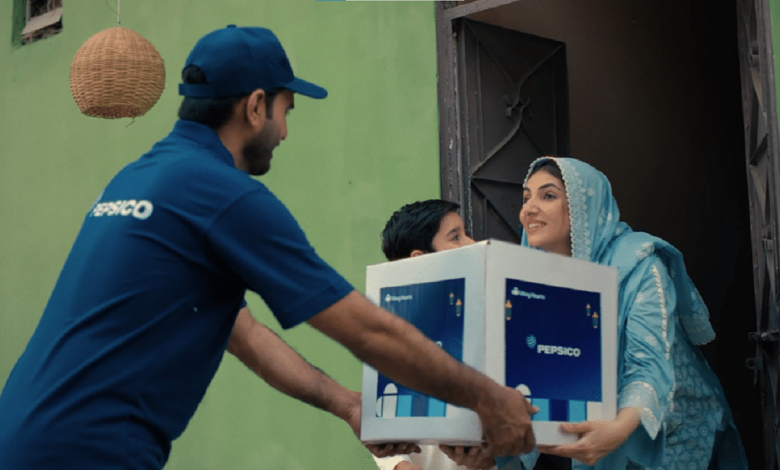
Ramadan is a time of spiritual reflection, unity, and cherished traditions, and among its many beautiful customs, Roza Kushai holds a special place in Pakistani culture. This heartfelt tradition, which celebrates a child’s first-ever fast (roza), is more than just a family event—it’s a communal occasion that strengthens relationships, fosters values of generosity, and creates lasting memories.
Recently, PepsiCo Pakistan launched a campaign that beautifully captures the essence of Roza Kushai, highlighting its deep cultural significance and the role it plays in bringing families and communities together. While advertising campaigns have recently given this tradition a spotlight, Roza Kushai has been a part of Pakistani households for generations. It reflects the spirit of Ramadan—compassion, togetherness, and spiritual growth—and serves as a joyful milestone in a child’s journey of faith.
But beyond the celebratory moments, Roza Kushai also raises important questions: As times change, how do we ensure that these treasured traditions remain alive for future generations? And in an increasingly digital world, how can we continue to foster meaningful human connections through cultural rituals like these?
Roza Kushai: A Tradition of Love and Togetherness
Roza Kushai, meaning “celebrating the first fast,” is a time-honored event in which families, relatives, and friends gather to mark a child’s first experience of fasting. It is a day of pride and encouragement, symbolizing the child’s step towards embracing the values of Ramadan.
The celebration typically includes:
✔️ A Special Iftar: The young faster is treated to a beautifully prepared iftar meal, often featuring their favorite foods. In many homes, the child gets to break their fast with dates and water, following the Sunnah of Prophet Muhammad (PBUH).
✔️ Gift-Giving: Friends and family members shower the child with small gifts, money (eidi), or sweets as a token of encouragement and appreciation for their commitment.
✔️ Gatherings with Loved Ones: The event often turns into a mini celebration, where relatives, neighbors, and friends join in to support and motivate the young one.
✔️ Religious and Moral Lessons: Elders take this opportunity to teach children the values of patience, self-discipline, and empathy, which are at the heart of Ramadan.
Roza Kushai is not just about the child’s achievement, but about reinforcing the values of community, kindness, and faith—all of which are core elements of Pakistani and Islamic traditions.
PepsiCo’s Tribute to Roza Kushai: A Nostalgic and Heartfelt Message
In today’s fast-paced world, where cultural shifts and digital distractions have changed how families interact, PepsiCo’s latest campaign serves as a gentle reminder of the importance of preserving traditions like Roza Kushai.
The advertisement beautifully showcases how despite modern-day changes, certain rituals remain timeless. The campaign captures:
📌 The warmth of family gatherings
📌 The shared joy of preparing iftar together
📌 The pride in celebrating a child’s spiritual journey
📌 The emotional connection between generations
This campaign is not just an advertisement—it is a cultural tribute. It reminds viewers that in the midst of urbanization, technology, and changing lifestyles, traditions like Roza Kushai continue to unite people and create lifelong memories.
The Social Impact of Ramadan Traditions in Pakistan
A 2023 Gallup Pakistan survey revealed that:
📊 78% of Pakistanis consider Ramadan to be the most socially unifying time of the year.
📊 64% believe it is important to uphold traditions like Roza Kushai to preserve cultural identity.
📊 41% of Pakistanis now celebrate cultural events differently than they did a decade ago.
Additionally, data from the Pakistan Bureau of Statistics shows that over 60% of the population is under 30. This means that cultural traditions, if not actively preserved, may face the risk of fading over time.
With people becoming more engaged in online interactions rather than physical gatherings, there is an increasing responsibility to keep meaningful customs alive—whether through family storytelling, community engagement, or even social media initiatives that encourage younger generations to participate.
Keeping Roza Kushai Alive in a Changing World
As digitalization transforms the way we connect and celebrate, how do we ensure that traditions like Roza Kushai continue to thrive in their authentic form?
✔️ Encouraging Family Participation: Parents and elders must actively involve children in religious and cultural practices, helping them understand their significance.
✔️ Incorporating Modern Elements: While traditions remain sacred, integrating small modern touches—such as virtual celebrations for overseas relatives or social media storytelling—can help keep these practices relevant to today’s world.
✔️ Community Engagement: Schools, mosques, and local organizations can host Roza Kushai gatherings, where children can celebrate together and learn about Ramadan’s values in a supportive environment.
✔️ Passing Down Stories: Sharing personal experiences of one’s own Roza Kushai memories can strengthen the emotional connection younger generations have with the tradition.
Final Thoughts: A Celebration of Faith and Togetherness
Roza Kushai is more than just a celebration—it is a symbol of faith, love, and shared values. It represents the importance of tradition in strengthening familial and social bonds, ensuring that cultural heritage is passed down through generations.
As we continue to move forward in an era of technological advancement and social change, it is up to us to preserve and cherish these traditions, ensuring that they remain an integral part of our identity.
So, as Ramadan progresses, take a moment to reflect: What’s your most treasured Roza Kushai memory? Share your stories, celebrate this beautiful milestone, and help keep this heartwarming tradition alive for generations to come.


