
Windswept island brings a taste of Croatia to the world

From Croatia’s mainland, most of Pag looks inhospitably grey and rocky, but the island’s lunar-like landscape is key to producing its delicious staple.
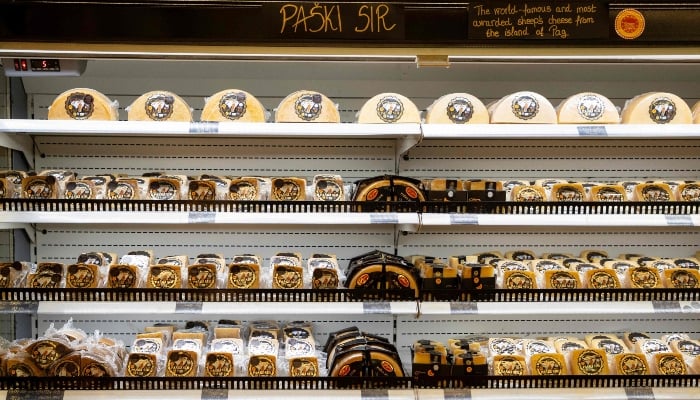
Paski sir, the distinctive, hard Pag cheese, as it is known in Croatian, is the highly-prized product of herb-grazing sheep that cling to the rugged terrain in the face of fierce Adriatic winds.
“It contains the very essence of this island,” Martina Pernar Skunca, the marketing manager of the oldest cheese factory on Pag, told AFP.
Located 40 kilometres (25 miles) northeast of the coastal city of Zadar, the island of Pag hosts around 40,000 woolly locals — about five times its human population.
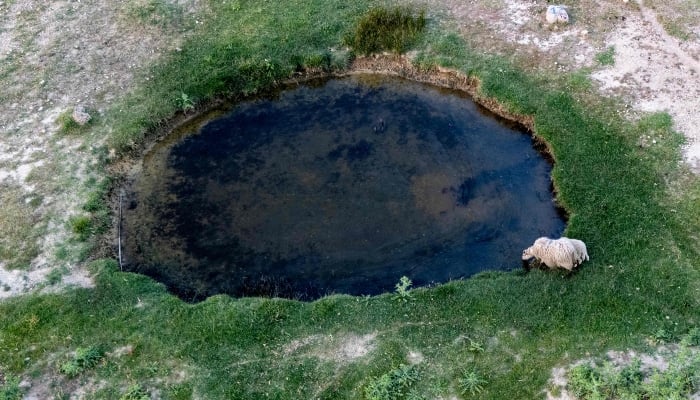
Grazing freely, the fluffy flock feast on various herbs and aromatic plants, including sage, lavender and curry plant, all coated in sea salt whipped up by bora winds — giving the cheese its world-famous flavour, Pernar Skunca from the Paska Sirana cheese factory said.
Aged for at least 60 days and often compared to Italian Pecorino Sardo or Spanish Manchego, it boasts a marble texture and savoury flavour that becomes spicier with maturity.
‘In our blood’
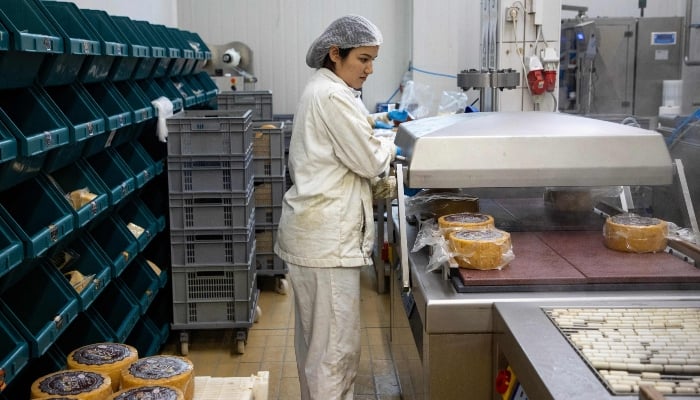
Founded in 1946, Paska Sirana — which makes around 80 tons of its star product annually — still purchases most of its milk from families living on the island.
“Our ancestors have always done it; it’s in our blood, and we cannot do without it,” said Marin Valentic, who runs the small Skrivanat cheese factory using methods almost unchanged for generations.
At Gligora Sirana, one of the island’s most acclaimed factories, manager Ruzica Gligora agrees that family tradition is key to the cheese’s success.
“From the very beginning, when my father-in-law Ivan Gligora founded the factory, he had the idea of making the best cheese in the world,” she said.
Their founder’s goal seems to have paid off, with Michelin-starred chefs from the International Taste Institute describing Gligora’s Paski sir as a “pure delight” that “brings full and complex flavours to the palate and melts nicely in the mouth”.
In recognition of Paski sir’s value, the European Union has afforded it a Protected Designation of Origin status, shielding it from copycats in the same way as champagne.
‘Hard job’
However, cheese makers say that milk production is decreasing annually as the industry competes for workers against Croatia’s booming tourism sector.
Around 20 million tourists a year flock to Croatia, drawn by its stunning coastline and picturesque cities, but its population of 3.8 million is struggling to keep up.
Alongside tourism, farmers can be tempted to focus on a less labour intensive speciality of the island — Pag lamb.
“Pag is a beautiful touristic place, and gives a lot of opportunities to earn money in an easier way,” Pernar Skunca said.
“This is a hard job, since in the production season from January to June, no matter what is happening in one’s life or weather conditions, sheep need to be milked twice a day.”
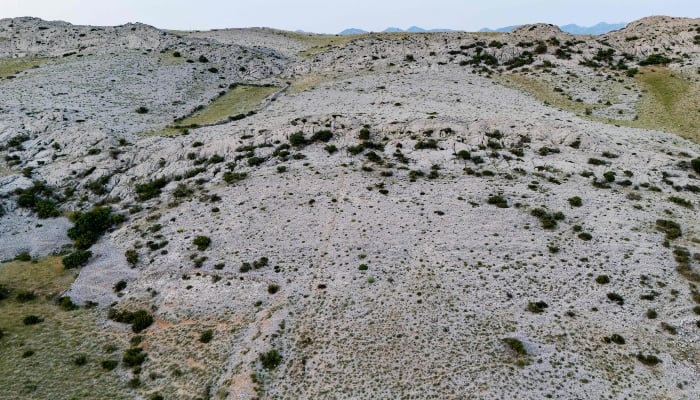
The conditions can be brutal with winter gusts from the Velebit mountains hammering the island, sometimes reaching over 200 kilometres (124 miles) per hour.
Producers say interest in the cheese is only growing, with all varieties — some infused with cherry, others matured for 24 months — in demand.
“Everyone wants to try it, to learn why it is so special,” said Valentic, who has a flock of around 120 sheep.
The 40-year-old farmer welcomes the demand but stressed that Pag’s unique landscape only offers so much grazing land.
“We are simply limited by the capacity.”


