
Sea Cucumber Is Neither Fruit Nor Vegetable. So What Is It?

A sea cucumber may sound like a vegetable, but it is in fact a marine animal. It is a soft-bodied invertebrate, meaning it has no backbone. Its body is leathery, cylindrical, and remarkably similar in appearance to the cucumber we eat. Around its mouth are between eight and 30 tentacles, which it uses to gather food. Interestingly, it is also considered a delicacy in many Asian countries, where it is served in dishes regarded as luxurious and fit for royalty.
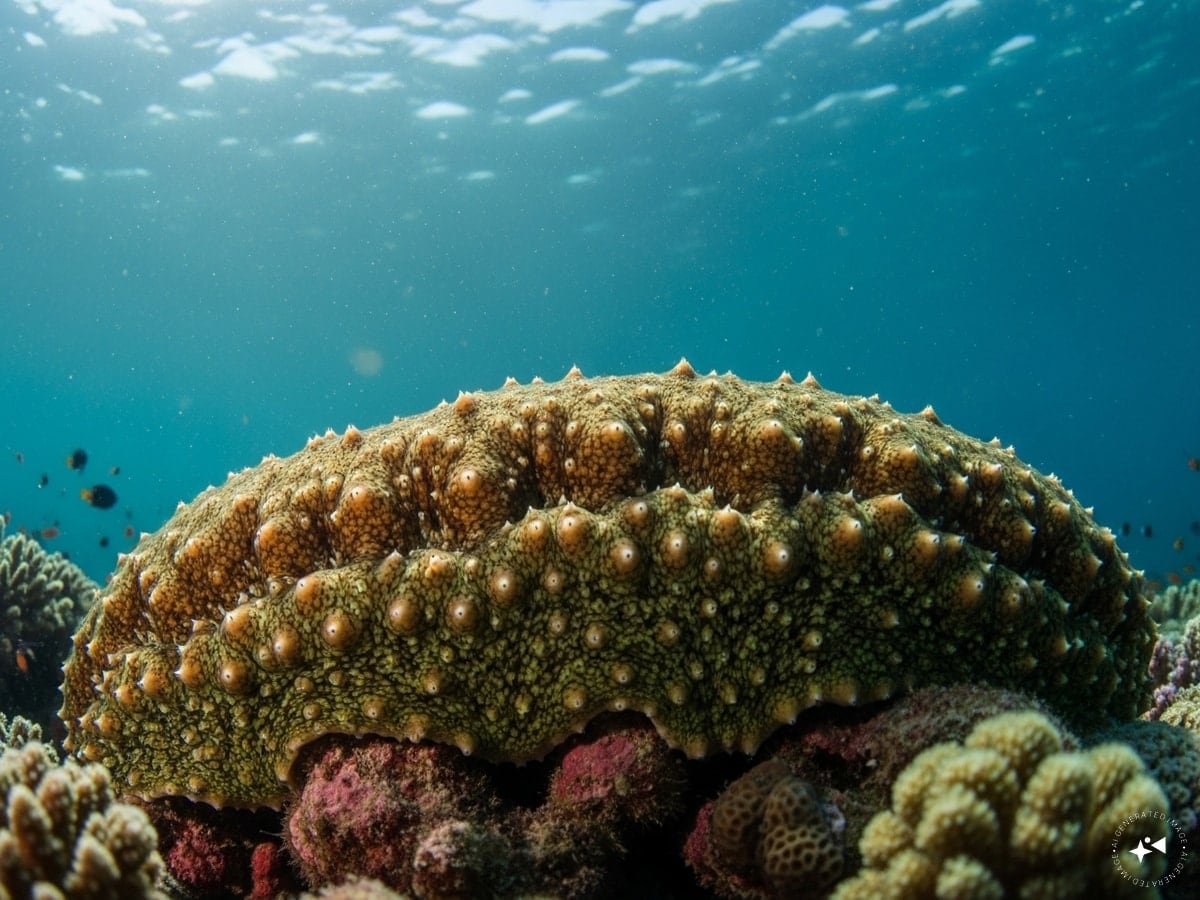
Sea cucumbers have long, cylindrical bodies covered in tough, leathery skin. There are around 1,700 species found worldwide. Some measure only a few millimetres, while others can grow up to three metres in length. They are known for their unusual behaviour and for playing a vital role in maintaining marine ecosystems.
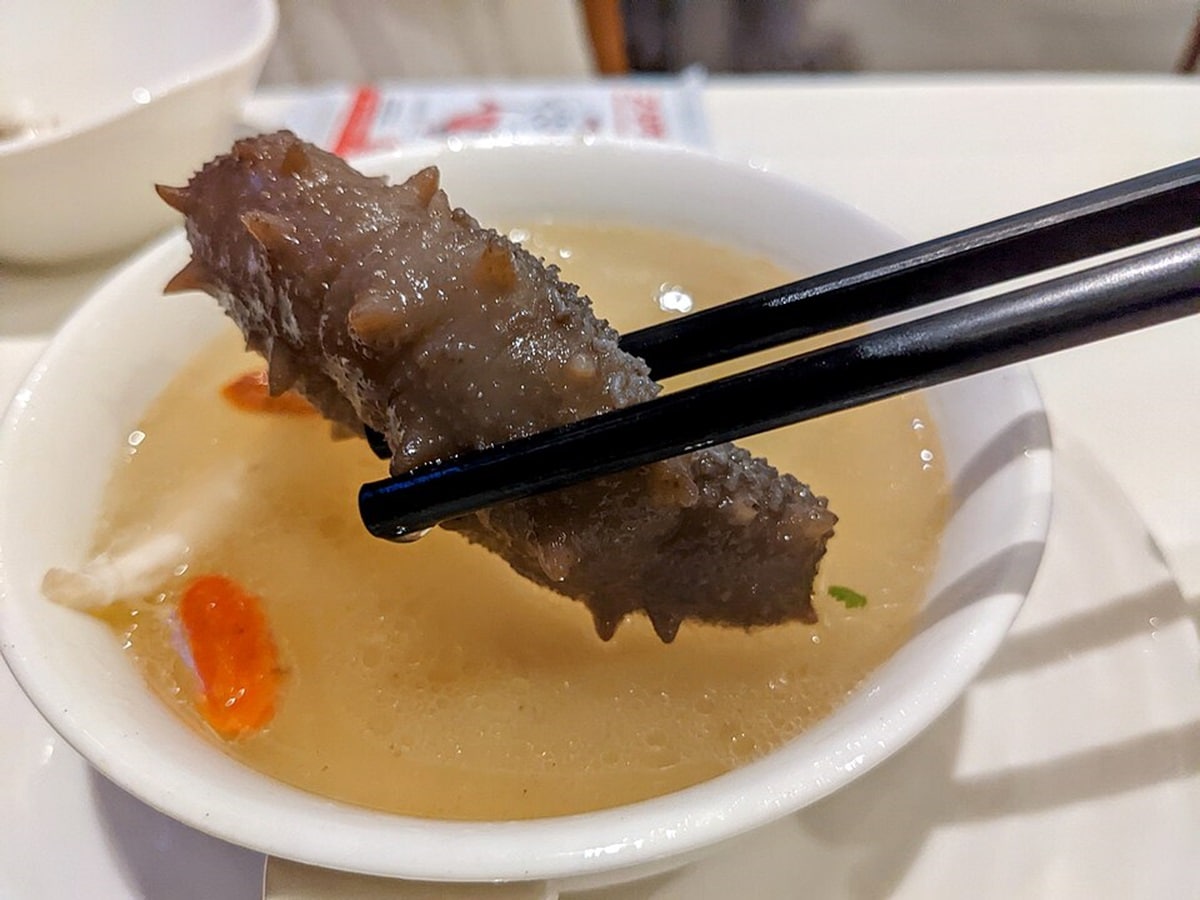
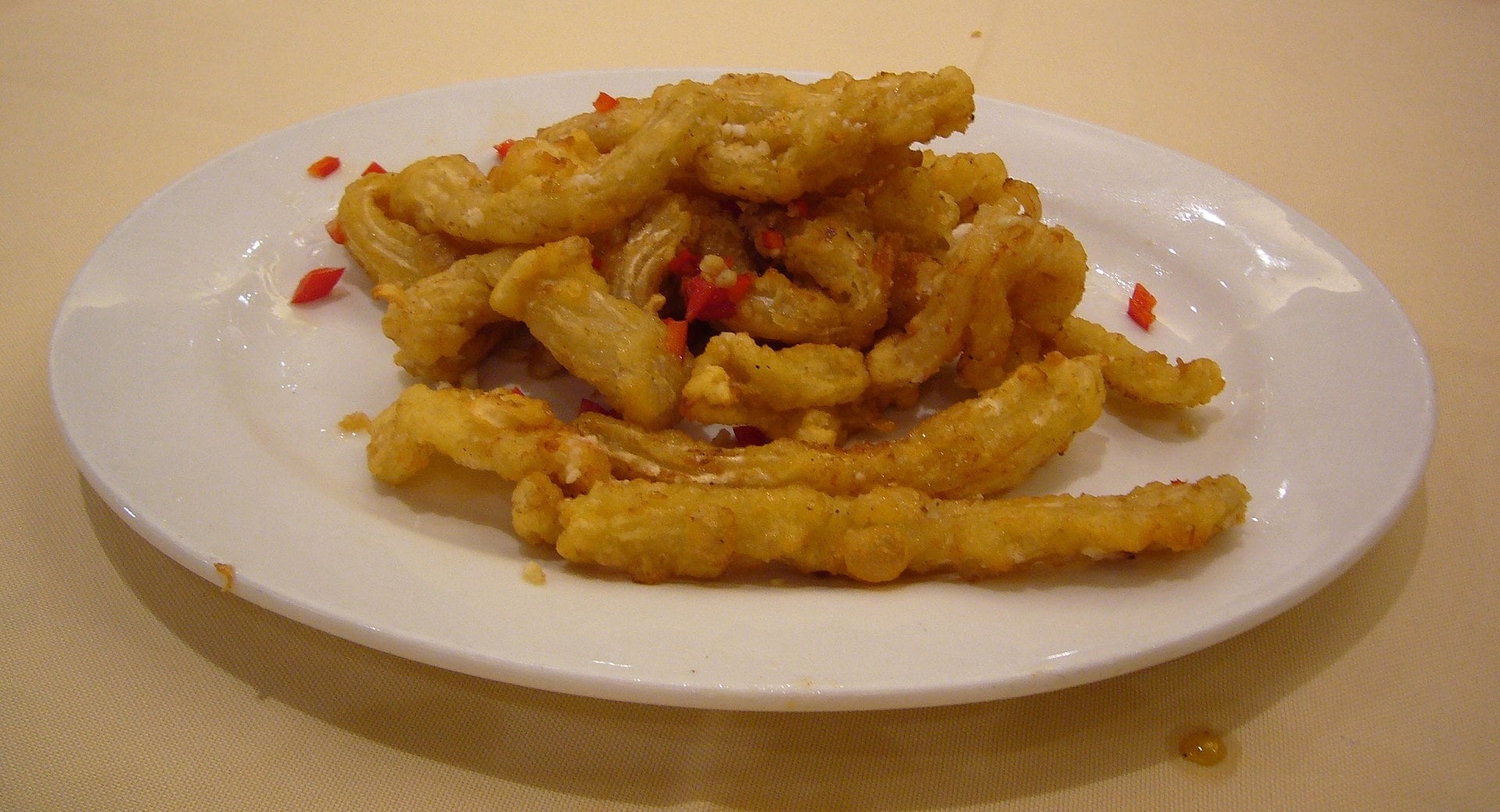
In Asia, particularly in China, sea cucumber is highly prized as food. When dried, it is prepared as an expensive delicacy known as bêche-de-mer or trepang. It has also been used for centuries in traditional Chinese medicine to treat joint pain, fatigue, and weakness. Compounds such as glucosamine and chondroitin sulphate found in sea cucumbers are believed to support joint health, although scientific research into these benefits is still at an early stage.
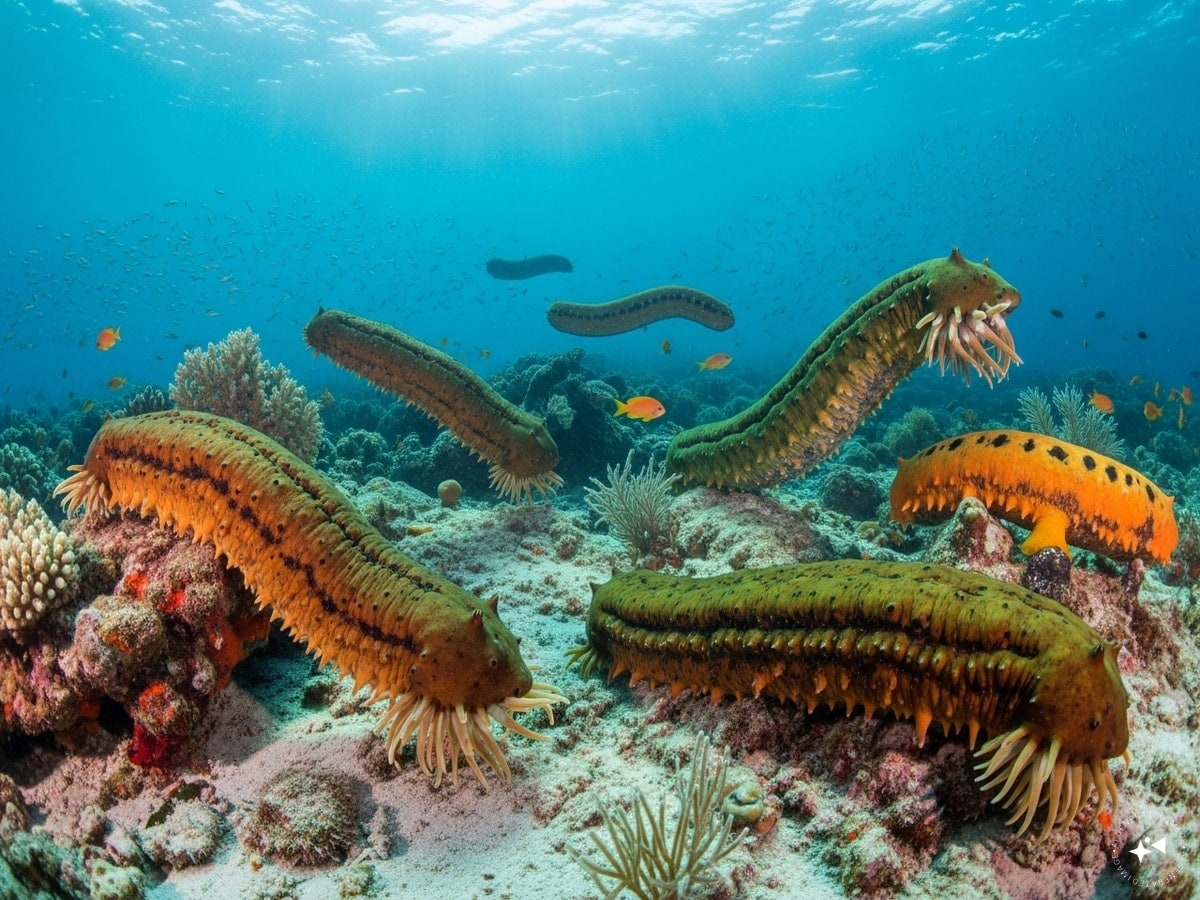
Sea cucumbers feed on organic waste, decaying matter, and sediment on the ocean floor. They ingest sand and soil, extract nutrients, and expel cleaner sand back into the environment. This process helps recycle nutrients and keep the seabed clean, much like earthworms improve soil fertility on land. For this reason, they are often referred to as the ‘vacuum cleaners’ of the sea.
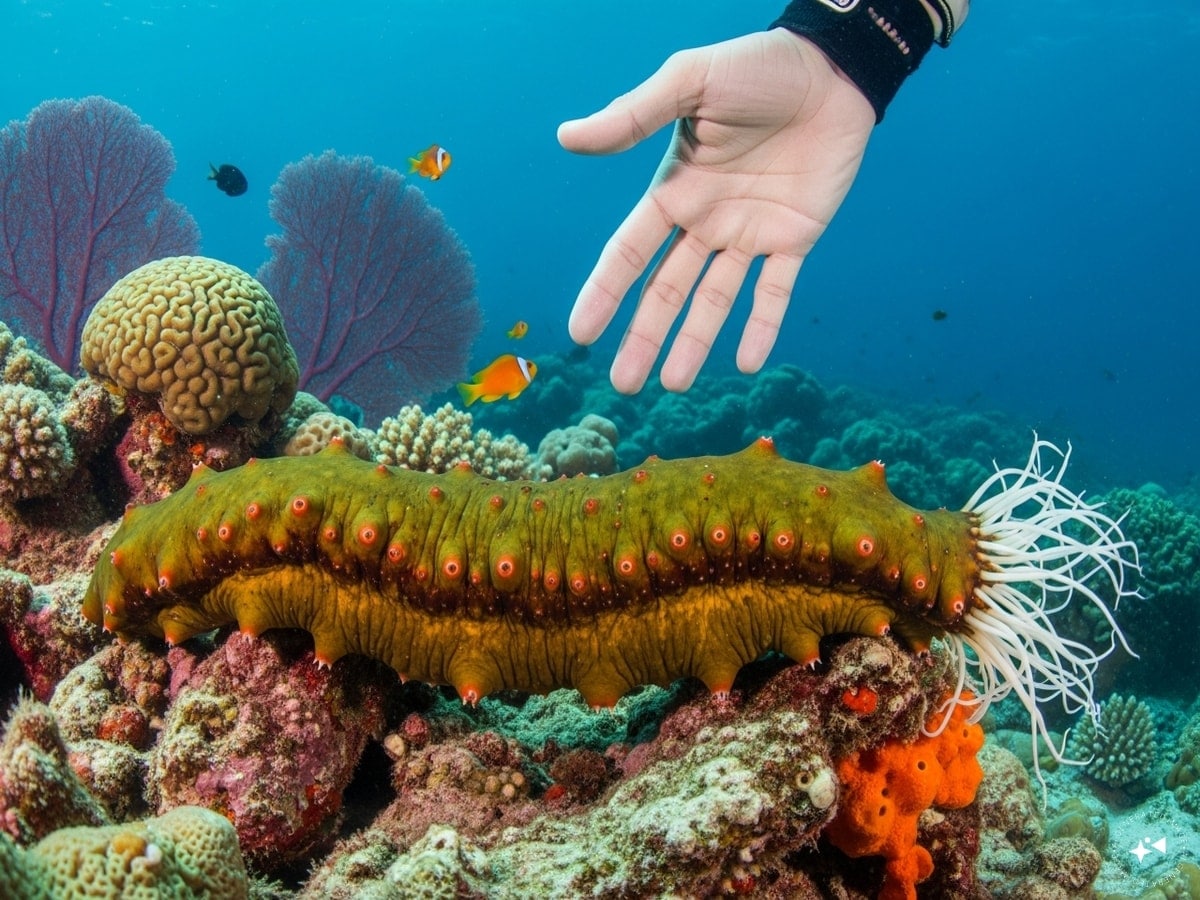
When threatened, sea cucumbers employ an extraordinary defence mechanism. They can eject their internal organs through the anus, releasing sticky threads that entangle predators. Some species also secrete a toxic substance called holothurin, which can deter or even kill attackers. Remarkably, they are capable of regenerating their lost organs within a few weeks.
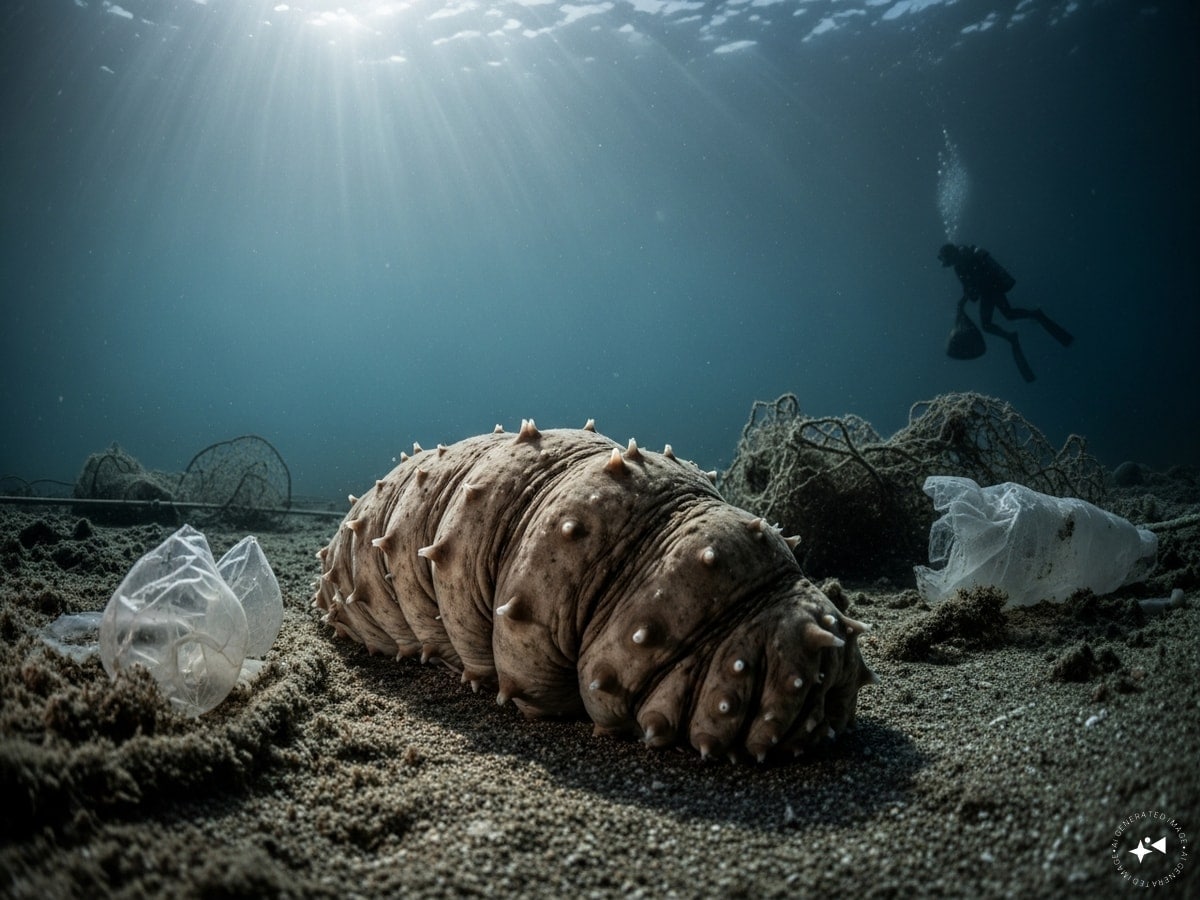
Sea cucumbers breathe in an unusual way. They draw water in through the anus, which passes into internal structures known as ‘respiratory trees’. Despite their simple appearance, they are an essential part of the marine ecosystem. However, due to growing demand, many species are now endangered, leading to increased efforts to farm them sustainably.
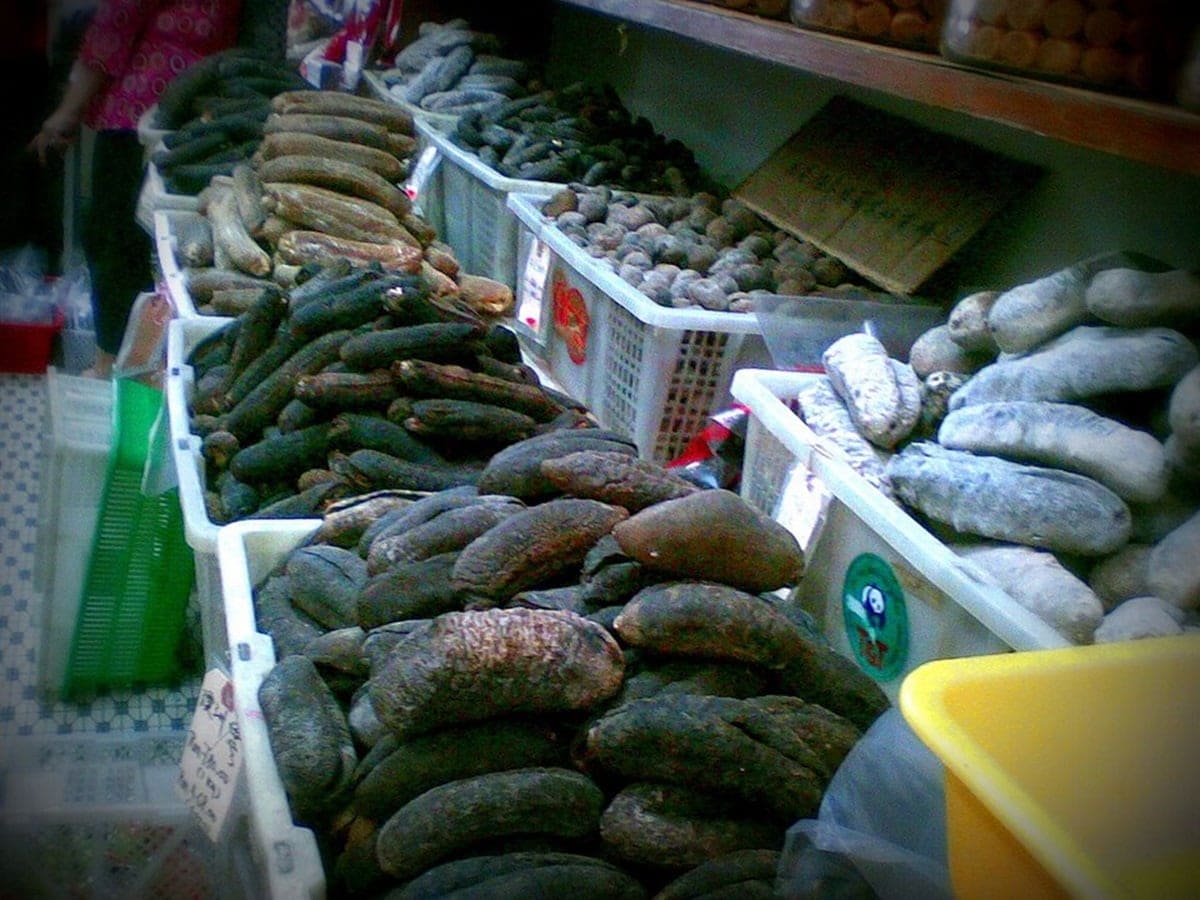
Unlike fish, sea cucumbers do not have bones. Instead, they possess tiny calcium structures beneath their skin called ‘ossicles’. Their waste helps regulate the ocean’s pH levels and contributes calcium that benefits coral reefs.
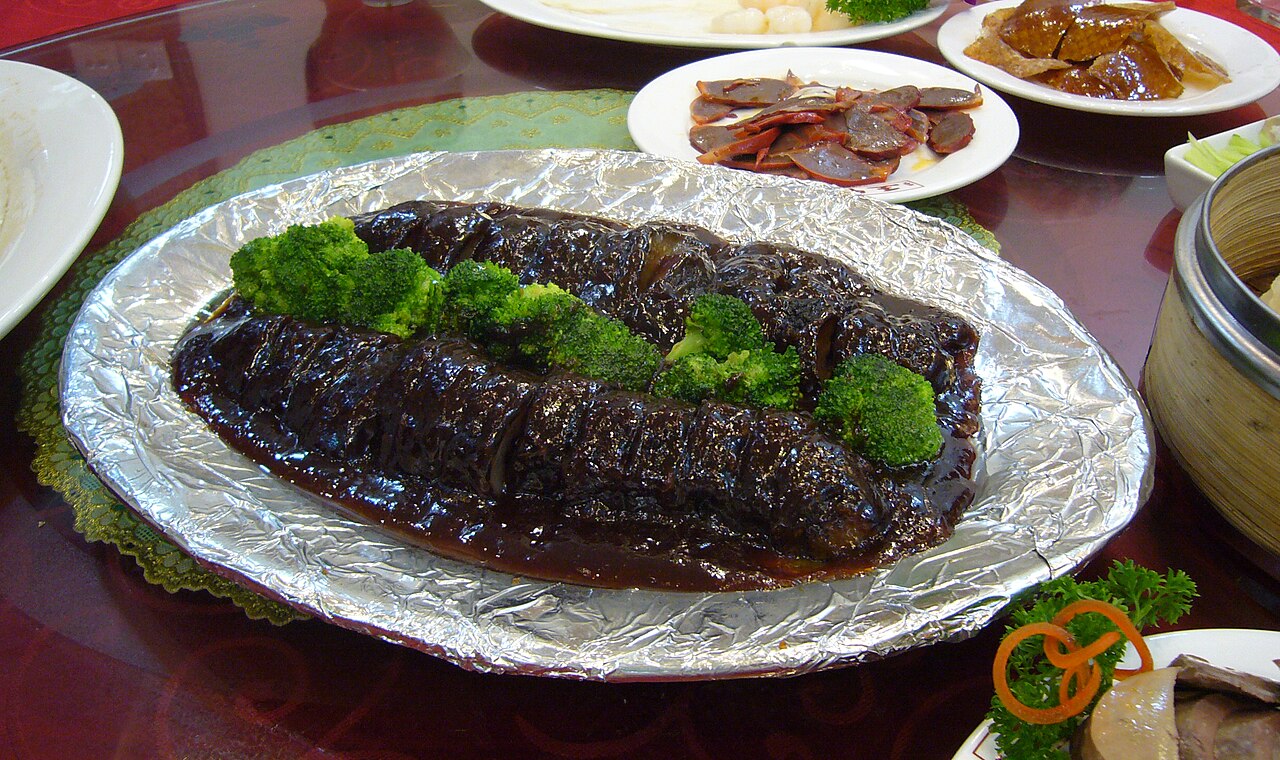
They move slowly, either by using small tube feet or by contracting their body muscles. Because they are valuable and expensive, they are often illegally harvested and smuggled, further threatening their populations.
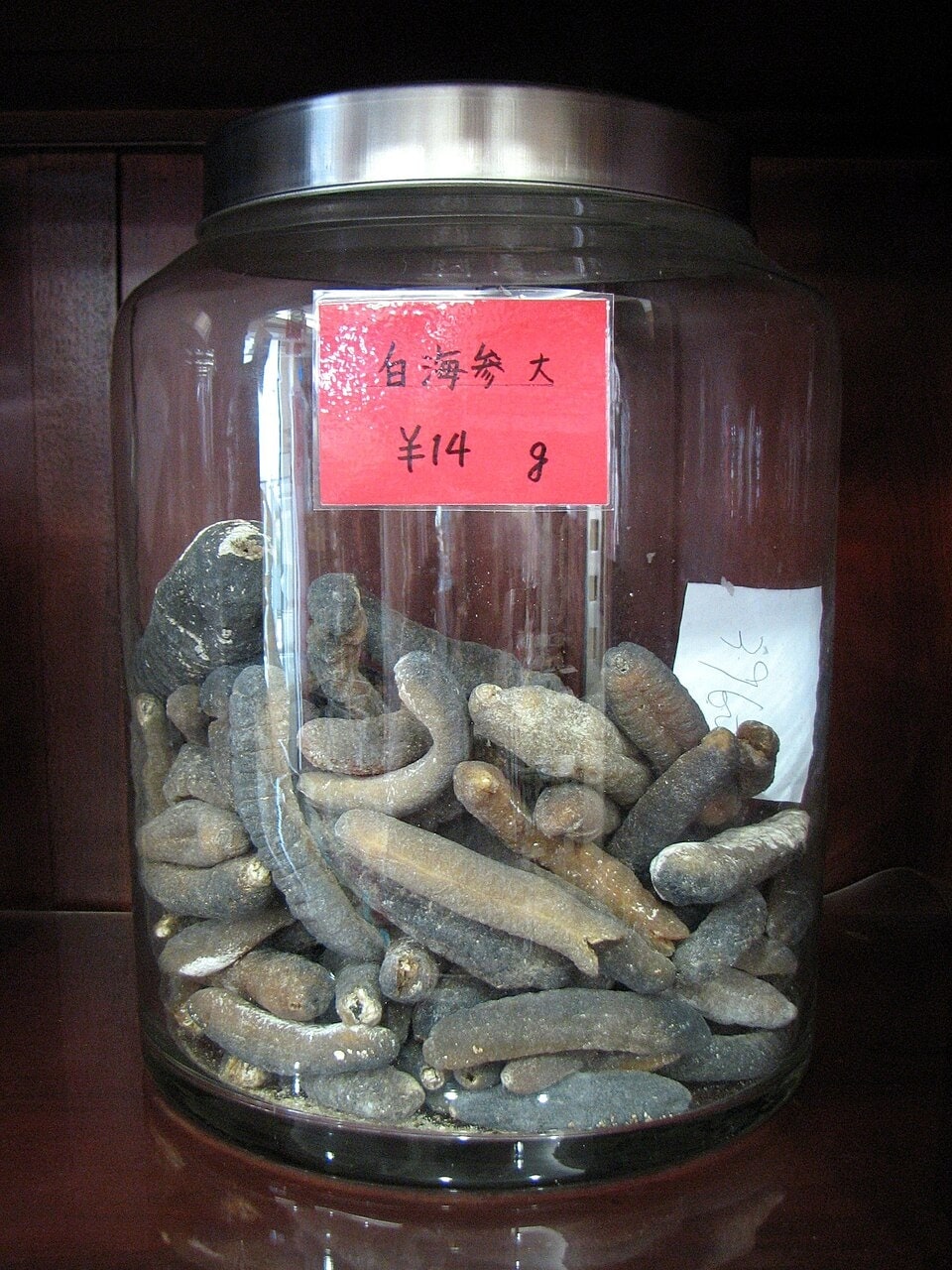
Most sea cucumbers weigh between 500 grams and 2 kilograms. They do not have eyes, but their skin contains specialised cells that detect light and darkness. Rather than relying on vision, they sense their surroundings through touch and chemical signals in the water.
Generally, sea cucumbers are not dangerous to humans. If disturbed, they may release sticky internal organs, which are not deadly but can cause mild skin irritation and are difficult to clean. They are not predators and do not attack people.
Source link


