
Strategic Calculations: What Pakistan’s Army Chief Aims to Secure in Washington
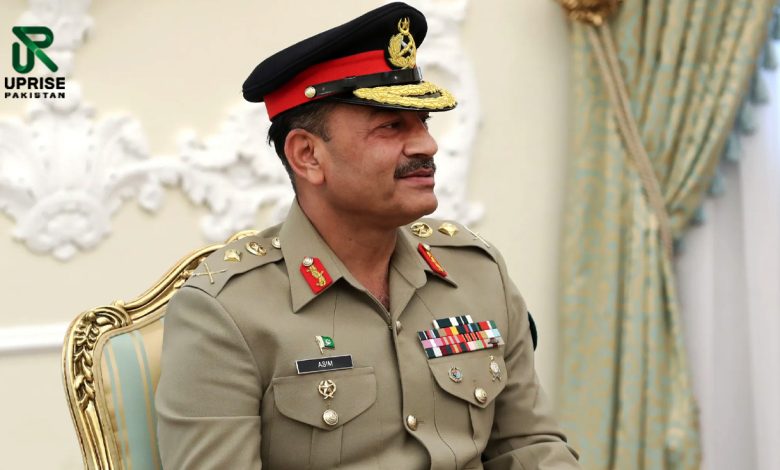
Field Marshal Asim Munir stepped off the plane in Washington with heavy stakes on his shoulders. War drums echo from Iran, Israel, and India. Pakistan’s economy hangs by a thread after a $3 billion IMF bailout in 2023. Meanwhile, President Donald Trump has warned Tehran to “surrender.” Against this tense scene, Munir will sit down with Trump on 18 June 2025.
Many lives hinge on what the two men decide. Pakistan’s soldiers stand watch on restless borders. Families worry about food prices and jobs. Allies and rivals listen for any hint of a shift. Munir must secure help without selling away sovereignty. America must weigh gains against new risks. The next few days could redraw the regional map.
A Tense Global Backdrop
First, the Middle East burns. Israeli jets have struck Iranian sites. Tehran threatens to answer “at a time of its choosing.” Second, India and Pakistan trade fire across the Line of Control after India’s May 2025 “Operation Sindoor.” Third, G7 leaders scramble to keep oil flowing. President Trump even left the summit early to consult his generals.
German Chancellor Friedrich Merz later warned that “destruction of Iran’s nuclear program may be on the agenda.” Turkey rushes missile production. Russia frets over its ally Tehran. In this storm, Pakistan’s outreach looks urgent, not optional. Suppose a wider war starts. Supply routes, refugee flows, and terror groups could spill over Pakistan’s porous west. Therefore, Islamabad seeks protection, funds, and political cover before sparks turn into wildfire.
Why Washington Matters to Islamabad
Pakistan once counted on Chinese cash and Gulf oil credit. Yet debt swells, and foreign currency runs thin. U.S. support still unlocks the IMF, World Bank, and private lenders. Without that seal, investors stay away. Moreover, the U.S. wields unmatched diplomatic weight at the United Nations Security Council. When India presses claims or Iran seeks allies, Washington’s voice can tilt the field.
Pakistan’s military also prizes American training, spare parts, and surveillance gear. Joint drills foster trust and sharpen skills. Munir knows this legacy. He ran Inter-Services Intelligence during tense years after 2018. Now, as Army Chief, he needs reliable lines to the Pentagon while balancing Beijing and Riyadh. Thus, a warm handshake in the Cabinet Room could yield real dividends back home.
Trump’s Leverage: Money and Might
President Trump arrives with bargaining chips. The U.S. keeps about 40,000-50,000 troops at 19 sites across the Gulf region, according to the Congressional Research Service (2025). Bombers can fly from Al Udeid in Qatar or Al Dhafra in the UAE within hours. Carriers patrol the Arabian Sea. Pakistan’s soil is close to Iran, yet Trump may not need new bases. Instead, he can offer relief from the 29 percent tariffs on Pakistani exports. He can also back a fresh IMF tranche if Islamabad helps U.S. goals.
| Base | Country | Approx. Troops | Main Role |
| Al Udeid | Qatar | 10,000 | Air strikes, command |
| Al Dhafra | UAE | Classified | Recon, fighters |
| NSA Bahrain | Bahrain | 9,000 | Fifth Fleet HQ |
| Camp Arifjan | Kuwait | 7,000 | Logistics |
With assets like these, Trump can threaten Tehran or reassure allies. Munir must read the signals carefully.
Munir’s Military Wish List
Munir seeks tools, not talk. Reliable night-vision systems, spare parts for F-16s, armed drones, and real-time intelligence top his list. Early signs hint at a modest package:
- Surveillance data from CENTCOM to track terror cells.
- Joint counter-IED training for Pakistan’s frontier corps.
- Extended F-16 sustainment program through 2030.
In return, Pakistan could grant the U.S. over-flight rights for rapid strikes on Iran if diplomacy fails. However, Munir must guard national pride. Any hint of U.S. boots on Pakistani soil risks backlash. Therefore, agreements will stay quiet, tucked inside annexes and memoranda of understanding.
Economic Lifeline: IMF, World Bank, and Beyond
Pakistan’s foreign reserves fell below $9 billion in early 2025, barely enough for six weeks of imports, per State Bank data. Inflation tops 27 percent. Because of this stress, the government eyes a new Extended Fund Facility of about $6 billion. U.S. Treasury backing is vital. Trump can wave the green flag—or block it. Furthermore, Pakistan promotes a zero-tariff trade plan that would lift American crude oil imports and open Pakistan’s vast mineral belt.
In April, Islamabad told investors its untapped ore may hold $6 trillion in value. These numbers sparkle, yet investors demand stability. A photo of Munir and Trump smiling could calm nerves, spur capital inflows, and steady the rupee. Still, conditions will bite. Subsidy cuts and tax hikes may follow, hurting ordinary families already strained by high fuel costs.
Balancing China and the U.S.
“Pakistan is in China’s camp, but it is still useful to us,” notes analyst Shuja Nawaz. That tension frames every deal. China financed highways, power plants, and the port at Gwadar. Yet some projects stalled, and debt piled up. Munir aims to “rebalance,” not sever, the bond. As one retired general said, “We cannot swap friends, but we can widen the circle.”
Therefore, he might stress that U.S. firms can co-invest in special economic zones without erasing Chinese stakes. Quoting a senior official, “We seek many doors, not one gate.” If Trump accepts, Pakistan gains leverage over Beijing. If not, China could tighten its grip. Thus, words chosen behind closed doors matter as much as any formal paper.
Regional Security: India, Iran, And Terror Threats
While global eyes fix on Tehran, South Asia simmers. After the Pahalgam attack, India struck what it called terror camps in Pakistan’s Balakot sector. In response, Pakistan launched a swift and forceful counter-strike. The Pakistan Air Force engaged Indian aircraft across the Line of Control, reportedly shooting down five Indian jets in separate skirmishes. According to military sources, hundreds of Indian surveillance and attack drones were intercepted and neutralized using advanced jamming systems and mobile air-defense batteries.
Shells still trade across the hills as both sides remain alert. Trump claims he brokered a ceasefire in May, yet violations continue. Munir needs U.S. pressure on New Delhi to prevent a wider war.
At the same time, Pakistan condemned Israel’s strikes on Iran. This stance pleases Tehran but irritates Washington. Munir must thread a narrow gap: publicly opposing Israeli raids while avoiding direct friction with the U.S.
What Comes Next: Risks and Rewards
When lunch ends, reporters may only see terse smiles. Yet hidden notes will guide policy for years. If Munir secures a clear path to IMF cash and modern gear, Pakistan can breathe easier. Farmers may see fuel prices drop. Young cadets may train on new simulators. However, each promise ties Islamabad closer to Washington and exposes it to Chinese displeasure.
Meanwhile, Trump could tout a foreign-policy win as election season heats up. But if Tehran lashes out or India tests Pakistan’s patience, the fragile gains may vanish overnight. In sum, the visit offers hope mixed with peril. The soldiers at the border, the traders in Karachi, and the parents praying for peace all wait for the outcome. History teaches that small meetings can change grand arcs. This one might, too—if promises turn into deeds.


