
World Elephant Day 2024: Theme, Species, and Types of Elephants
Celebrating Elephants' Role in Ecosystems: Species, Threats, and Conservation Efforts
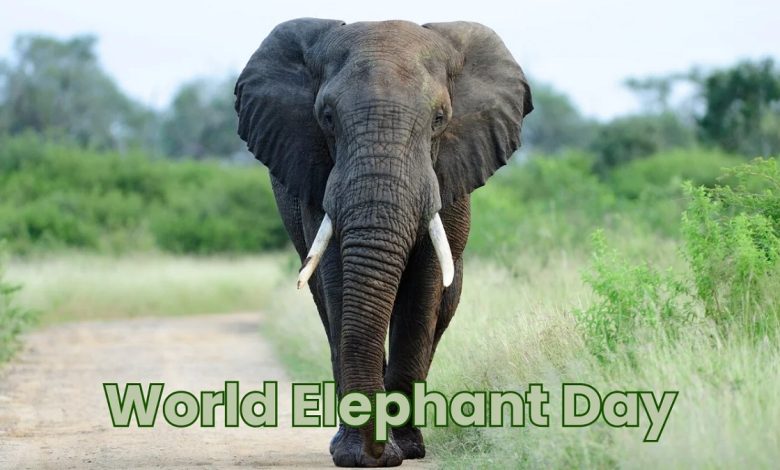
World Elephant Day is observed annually on August 12th, dedicated to the preservation and protection of the world’s elephants. This day aims to raise awareness about the urgent plight of elephants and to promote initiatives that ensure their survival. Elephants are among the most intelligent and emotionally complex animals, playing crucial roles in their ecosystems. World Elephant Day 2024 provides an opportunity to celebrate these magnificent creatures and to renew our commitment to their conservation.
Theme for World Elephant Day 2024
The theme for World Elephant Day 2024 is “Elephants: Guardians of the Forests.” This theme on World Elephant Day underscores the vital role that elephants play in maintaining the health of their habitats. Elephants are often referred to as “ecosystem engineers” due to their ability to shape their environment. By highlighting their role in forest conservation, this year’s theme emphasizes the interconnectedness of elephant preservation and environmental sustainability.
Importance of Elephants in Ecosystems
Ecosystem Engineers
Elephants are known as ecosystem engineers because they significantly shape their habitats. Their foraging behavior, which includes uprooting trees and creating water holes, helps maintain the savannah and forest ecosystems. This activity not only benefits other wildlife but also promotes biodiversity.
Seed Dispersers
Elephants play a critical role in seed dispersal. As they consume various fruits and plants, they spread seeds across vast distances through their dung. This process aids in plant regeneration and forest growth, contributing to the overall health of their habitats.
Water Resource Managers
During dry seasons, elephants use their tusks to dig for water in dry riverbeds, creating water holes that are essential for other wildlife. These water sources become lifelines for many species, particularly in arid regions.
Different Species of Elephants
African Elephants
Savanna (Bush) Elephants
Savanna elephants, also known as bush elephants, are the largest species of elephants. They inhabit the savannahs and grasslands of sub-Saharan Africa. Distinguished by their large ears, which help regulate their body temperature, savanna elephants are known for their impressive tusks and herding behavior.
Forest Elephants
Forest elephants are smaller than their savanna counterparts and reside in the dense rainforests of West and Central Africa. They have straighter tusks and smaller, rounded ears. Forest elephants are more elusive, making them harder to study and protect. They play a crucial role in maintaining the health of the forest ecosystem by facilitating seed dispersal.
Asian Elephants
Asian elephants are found in South and Southeast Asia, and they are generally smaller than African elephants. They have smaller ears and a more arched back. Asian elephants can be further classified into three subspecies:
Indian Elephants
Indian elephants are the most numerous of the Asian elephant subspecies. They inhabit India and Southeast Asia. Known for their strong social structures, Indian elephants are often seen in large herds led by matriarchs.
Sumatran Elephants
Sumatran elephants are the smallest of the Asian elephant subspecies and are native to the Indonesian island of Sumatra. They are critically endangered due to habitat loss and human-wildlife conflict.
Sri Lankan Elephants
Sri Lanka celebrates World Elephant Day because elephants are native to the island of Sri Lanka. They are larger than Sumatran elephants but smaller than Indian elephants. Sri Lankan elephants have distinct patches of depigmentation on their skin, especially around the ears and face.
Threats to Elephants
Poaching
Poaching for ivory remains one of the most significant threats to both African and Asian elephants. Despite international bans, illegal ivory trade persists, driven by high demand in certain markets. Poaching not only reduces elephant populations but also disrupts their social structures. World Elephant Day reminds us to tale precautionary measures.
Habitat Loss
Rapid deforestation, agricultural expansion, and urbanization lead to the loss of elephant habitats. This habitat fragmentation forces elephants into smaller areas, increasing human-elephant conflicts as elephants wander into human settlements in search of food and water.
Human-Elephant Conflict
As human populations expand into traditional elephant ranges, conflicts between humans and elephants become more frequent. These conflicts often result in damage to crops, property, and sometimes lead to fatalities on both sides. Finding ways on World Elephant Day to mitigate these conflicts is crucial for the coexistence of humans and elephants.
Conservation Efforts
Protected Areas and Wildlife Corridors
Establishing protected areas and wildlife corridors is essential for elephant conservation. These areas provide safe habitats for elephants and enable them to move freely between different regions. Conservation organizations and governments are working together to create and maintain these protected spaces.
Anti-Poaching Initiatives
Anti-poaching initiatives involve patrolling and monitoring elephant habitats to prevent illegal hunting. Training and equipping rangers, implementing advanced surveillance technologies, and engaging local communities in conservation efforts are key strategies in combating poaching.
Community-Based Conservation
Involving local communities in elephant conservation is vital for long-term success. Community-based conservation programs educate and empower locals to protect elephants, offering economic incentives through eco-tourism and sustainable practices.
International Cooperation
Global collaboration is crucial for elephant conservation that is why the World Elephant Day is celebrated. International treaties, such as the Convention on International Trade in Endangered Species (CITES), play a significant role in regulating the trade of elephant products and supporting conservation initiatives.
Conclusion
World Elephant Day is a call to action to recognize the incredible contributions of elephants to their ecosystems and to intensify our efforts to protect them. With the theme “Elephants: Guardians of the Forests,” this year’s observance highlights the indispensable role of elephants in environmental conservation. By understanding the different species of elephants and the threats they face, we can better appreciate the urgency of their conservation. Let us come together to celebrate these magnificent creatures and commit to safeguarding their future for generations to come.


