
Apple’s New Chipset Coming to Entry-Level iPhones and iPads
Bringing Advanced Performance and AI Capabilities to More Affordable Devices
Rumors have been swirling about the next generation of the iPhone SE, and recent reports provide more insights into what we can expect. One intriguing aspect of these leaks is the possibility that the new iPhone SE will feature the A18 chip, indicating Apple’s intention to bring advanced AI capabilities to its entry-level devices. This shift represents a significant step forward for Apple’s more affordable product lines, potentially offering performance and features previously reserved for higher-end models.
Apple’s A18 Chip Powering the New iPhone SE
Renowned leaker Ice Universe, known for accurate Apple leaks, has shared details about the fourth-generation iPhone SE. Expected to be announced next year, this new model will reportedly sport a design similar to the iPhone 14, complete with Face ID and USB-C. However, the standout feature is the inclusion of the A18 chip, potentially paired with 6GB or 8GB of RAM. This chip will also power the upcoming iPhone 16 lineup, including the non-Pro models.
Enhanced Performance and RAM
The inclusion of the A18 chip in the new iPhone SE suggests a substantial performance boost. The chip, which will be the same as in the iPhone 16 lineup, is expected to provide a seamless experience for both everyday tasks and more demanding applications. The potential increase in RAM to 6GB or even 8GB further enhances the device’s capability to handle multitasking and more intensive processes, ensuring smooth operation across various use cases.
 Comparing this to previous iPhone SE models, the jump in performance is noteworthy. The current iPhone SE features the A15 Bionic chip, which, while powerful, doesn’t offer the same level of AI capabilities and efficiency as the A18. Users upgrading from older SE models or even mid-tier iPhones will likely notice significant improvements in speed, responsiveness, and overall user experience.
Design Evolution: iPhone 14 Form Factor
The iPhone SE 4 is rumored to adopt the form factor of the iPhone 14. This change marks a departure from the traditional design of the SE series, which has often been based on older iPhone models. By aligning the SE’s design with more recent aesthetics, Apple is not only modernizing its appearance but also potentially appealing to a broader audience.
Modern Design Features
Key design features expected include a larger, edge-to-edge display, eliminating the physical home button in favor of Face ID. This aligns the iPhone SE with current design trends, providing a more immersive viewing experience. The switch to USB-C is another significant update, reflecting broader industry trends and Apple’s move away from proprietary connectors.
Improved User Experience
The new design will likely enhance the overall user experience. An edge-to-edge display offers more screen real estate for apps, videos, and games, while Face ID provides a secure and convenient method for unlocking the device and making payments. The transition to USB-C not only standardizes charging across devices but also allows for faster data transfer speeds, which can be particularly beneficial for users who frequently transfer large files or use their iPhone for professional purposes.
Boosted by Apple Intelligence
This year, Apple introduced Apple Intelligence, an AI-driven enhancement available only on devices with the A17 Pro chip, such as the iPhone 15 Pro and Pro Max. This advancement likely drives Apple’s decision to equip all new iPhone 16 models with the A18 chip, ensuring they support the latest AI features promoted with iOS 18.
AI Capabilities and User Benefits

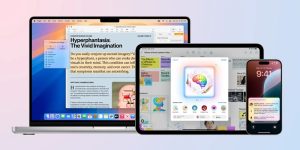
Apple Intelligence encompasses a range of features designed to enhance the user experience through machine learning and AI. These include improved photo and video processing, more accurate voice recognition, and smarter Siri suggestions. By incorporating the A18 chip into the iPhone SE, Apple is making these advanced features accessible to a wider audience, potentially transforming the way users interact with their devices.
Competitive Edge
Incorporating advanced AI capabilities into entry-level models could give Apple a competitive edge in the market. While other manufacturers may offer affordable smartphones, few can match the depth and integration of Apple’s AI ecosystem. This move could attract users who want high-end features without the premium price tag, strengthening Apple’s position in the mid-range smartphone market.
Continuing the Tradition
Historically, the iPhone SE has been equipped with the latest chips from Apple’s flagship models. Although it has been some time since the SE received an update, Apple could have opted for an older chip like the A16 Bionic. However, the company appears to be leveraging AI features as a key selling point, making the A18 chip a strategic choice.
Strategic Use of AI
By using the A18 chip, Apple is not just updating the iPhone SE but also strategically positioning it as a device capable of utilizing the latest AI advancements. This decision underscores the importance Apple places on AI as a driving force for innovation and user experience. It also reflects a broader industry trend where AI and machine learning are becoming central to the functionality of smart devices.
Potential Market Impact
The decision to include the A18 chip in the iPhone SE could have a ripple effect across the smartphone market. Competitors may feel pressured to enhance the AI capabilities of their own entry-level models, potentially leading to a new wave of innovation and feature enhancements in the mid-range segment. This could ultimately benefit consumers, who would have access to more powerful and capable devices at lower price points.
Expanding Apple Intelligence across Devices
Rumors also suggest that a new HomePod with a touchscreen may feature the A18 chip. This speculation supports the idea that Apple plans to update entry-level iPads and the iPad mini with its latest technology. While older devices won’t receive Apple Intelligence, it’s likely that all new iPhones and iPads will include these AI capabilities.
Broader Ecosystem Integration
The integration of Apple Intelligence across various devices highlights Apple’s strategy of creating a seamless and interconnected ecosystem. By equipping entry-level devices like the iPhone SE, iPad, and HomePod with the A18 chip, Apple ensures that users can enjoy a consistent and high-quality experience across all their devices. This not only enhances user satisfaction but also encourages brand loyalty.
Future Prospects
Looking ahead, the expansion of AI capabilities to entry-level devices could pave the way for new and innovative applications. Developers might leverage these capabilities to create apps and services that were previously unimaginable, further enriching the Apple ecosystem. As AI technology continues to evolve, the potential for groundbreaking features and functionalities in future devices is immense.
Conclusion
The upcoming iPhone SE with the A18 chip signals Apple’s commitment to integrating advanced AI features across its product lineup. This move not only enhances the performance of entry-level devices but also aligns with the broader trend of AI integration in consumer electronics. By making high-end features accessible to a wider audience, Apple is setting a new standard for what consumers can expect from affordable smartphones. As the industry evolves, it will be exciting to see how these advancements shape the future of mobile technology.


